

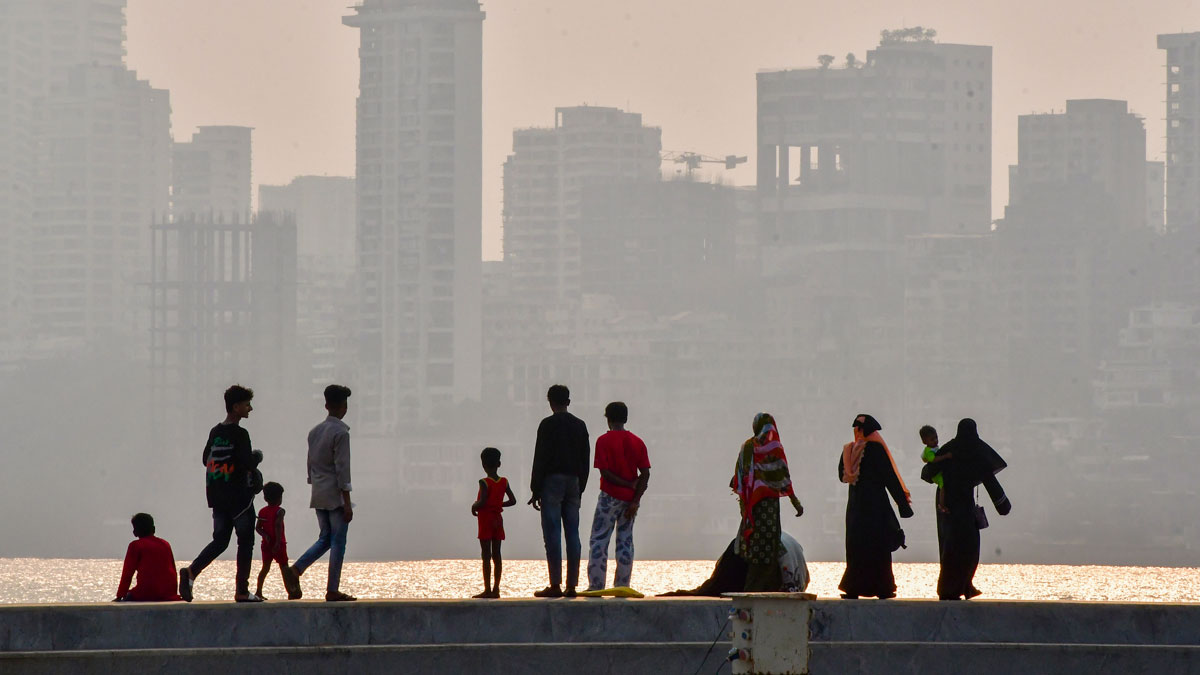
- Under normal circumstances, the winter months are considered an extremely pleasant period, exemplified by the chill in the air, foggy atmosphere, warm clothes, and generally a good time to indulge in tucking away food items, much to the merriment of gastro-inclined individuals. Especially those staying north of India would vouch in delightful tones how welcome those pleasant winter months are after the excruciatingly hot summer and humidity-filled sultry monsoon months, respectively. Unfortunately, the Indian inhabitants in some of the renowned metro cities are also confounded by the pollution-driven air quality index (AQI) breaching alarming levels. This is a serious cause of health concerns that play out every year without fail.

PC: National Herald
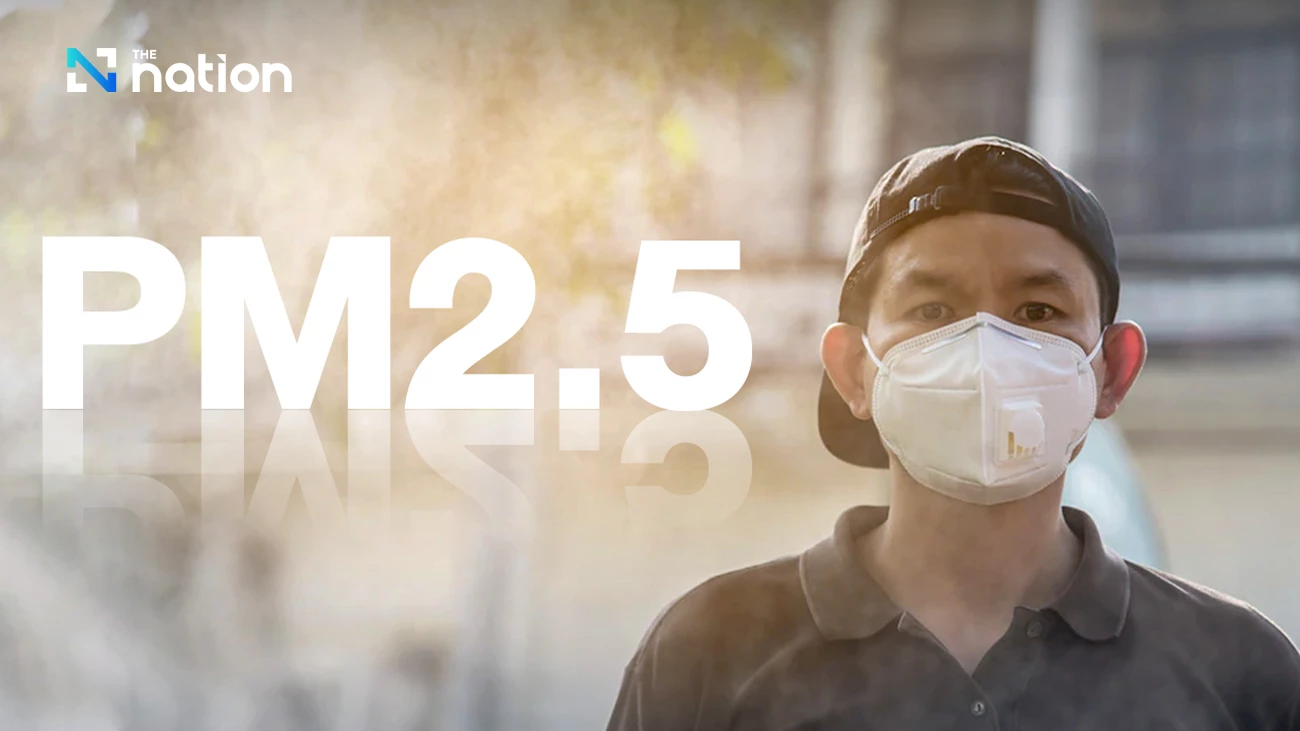
- The moot point to ponder over here is why our metro cities continue to be afflicted with unhealthyair quality, courtesy of mounting pollution and unconcerned authorities’ scant disregard for environmental concerns. Mind you, China has far more cars and factories than India, yet its air is cleaner. It shows India’s air problem can be fixed. WHO says the level of PM2.5 – particles so tiny they can enter our blood through the lungs – shouldn’t exceed 5 micrograms per cubic metreof air. That means a typical 10×12 sqft bedroom shouldn’t contain more than 152 micrograms – two grains of salt – of these particles. But last week, parts of Delhi recorded PM2.5 concentrations above 700. A room of that size would have contained over 21,500 PM2.5. Shocking? Utterly.
PC: Nation Thailand
- Doctors say exposure to PM2.5 concentration of just 22 is equivalent to smoking a cigarette. At 700, we’re effectively puffing more than 30 a day. But concentrations of 150-200 have been normalized in Delhi and its satellite towns. If the region were a product, it would bear the statutory warning: Breathing is injurious to health. And now, Mumbai, Kolkata, Ahmedabad, etc, deserve it as well. Why, even Goa, where people had relocated for wholesome air, has been returning, as air quality there has plummeted. In just five years, Panaji’s average PM2.5 level has risen from 21 to 90. Not a single district in the country meets the WHO’s PM2.5 standard, and 60% fail our own lenient National Ambient Air Quality Standards. What’s happening? The disaster in waiting.
PC: Times of India
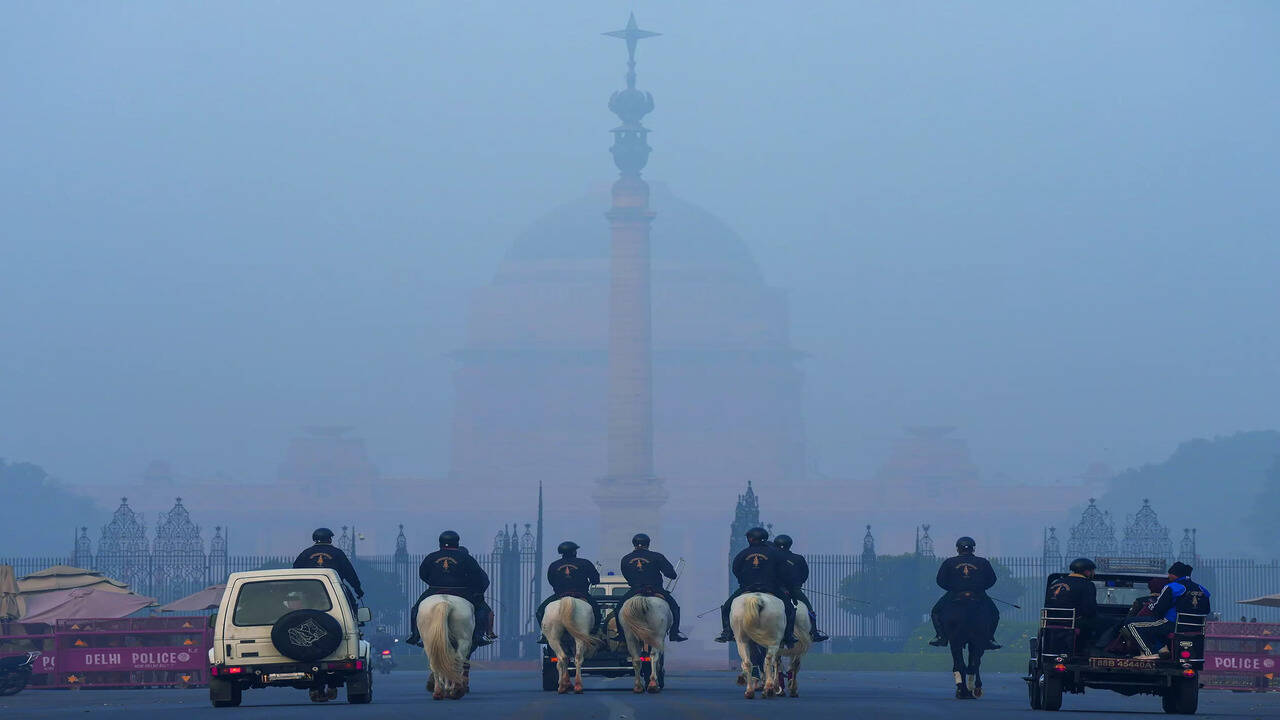
- Quite pragmatically, in 1980, the UN published a document titled ‘World Conservation Strategy”, reminding us how ‘we have not inherited the Earth from our parents, we have borrowed it from our children’. Sadly, no lessons were learnt. Delhi has plunged into its latest pollution crisis because the air has been very still. There’s no wind to carry pollutants in or blow them away. So, whatever Delhi’s breathing now is its own effluvia – vehicular and industrial exhaust, and smoke from waste burning. That’s why the answers must be found within. People need transport, and manufacturing is a national priority. Strict implementation of environmental rules is imperative. More workable and effective measures, like those in China, should be considered for speedy implementation.