

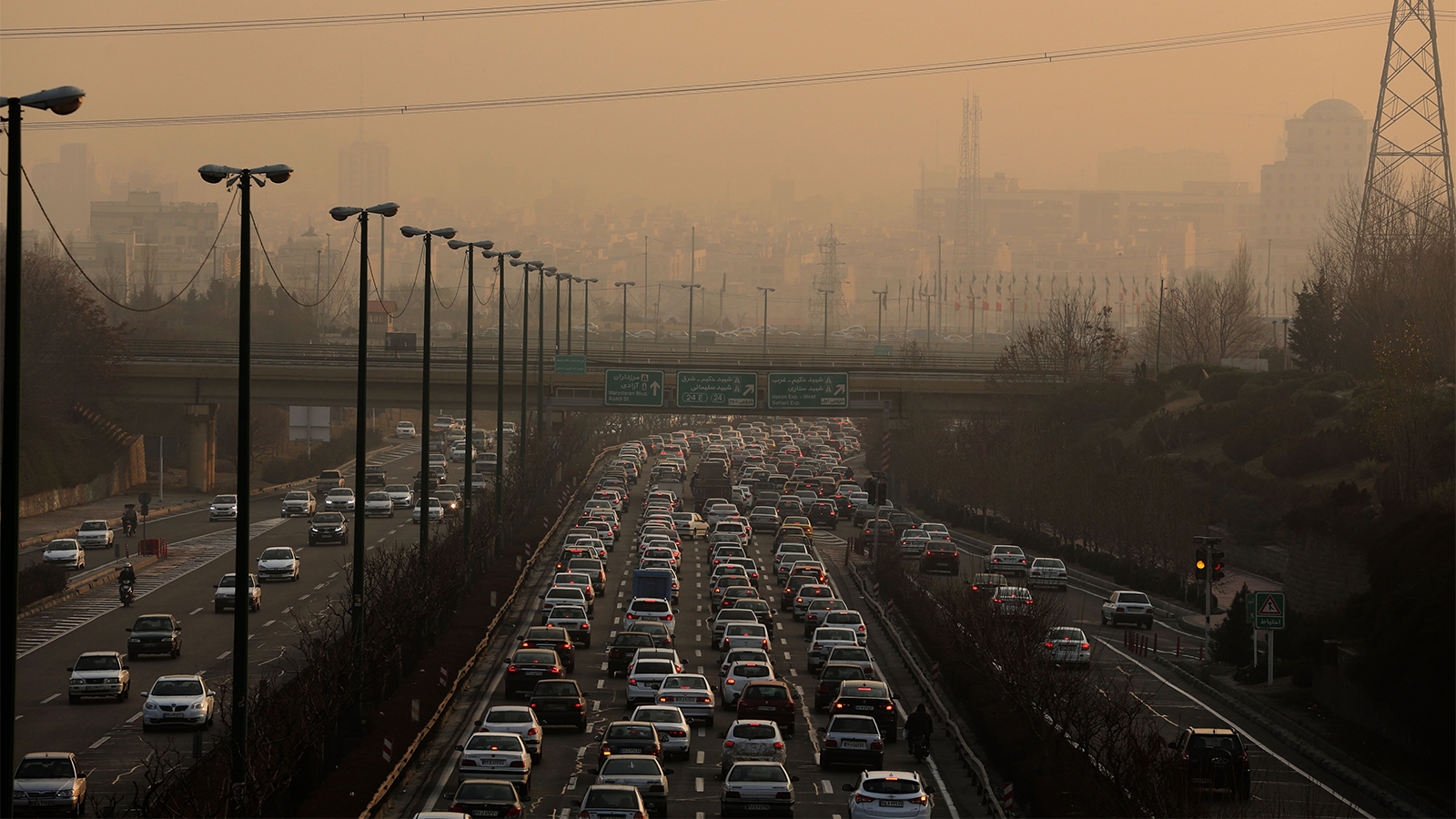
- One of the most pertinent and contemporary topics of discussion that the entire global community is concerned about is environmental degradation and the corresponding weather vagaries severely impacting the people around the world. The irresponsible and unabated burning of fossil fuels over the decades has led to greenhouse gases creating havoc with the erstwhile regular weather patterns. Little wonder, the whole world is witnessing unseasonal rains, snowstorms, famine, drought, heat waves, and some such challenges, rendering the global community at the mercy of Mother Nature. Thus, the red flag raised by the environmentalists concerned has led to serious discussion and actions on the ground. Is it scientific?

PC: Climate Impacts Tracker Asia
- Where does India stand, though? Of course, mitigating measures alongside creating awareness have been fronted by the Centre and states. But is it enough? Are those measures even scientifically viable, duly concurred/endorsed by the experts in the field? We know how the successive Delhi governments have gone about addressing the issue of vehicle emissions over the years. However, there’s no palpable reduction in the emissions is another depressing story altogether. Take, for instance, the banning of vehicles after 10/15 years. Rather than looking at emissions that are strongly tied to mileage, not age should have been the norm. When will the law take note? Nowhere in the democratic world are owners forced to scrap old vehicles.
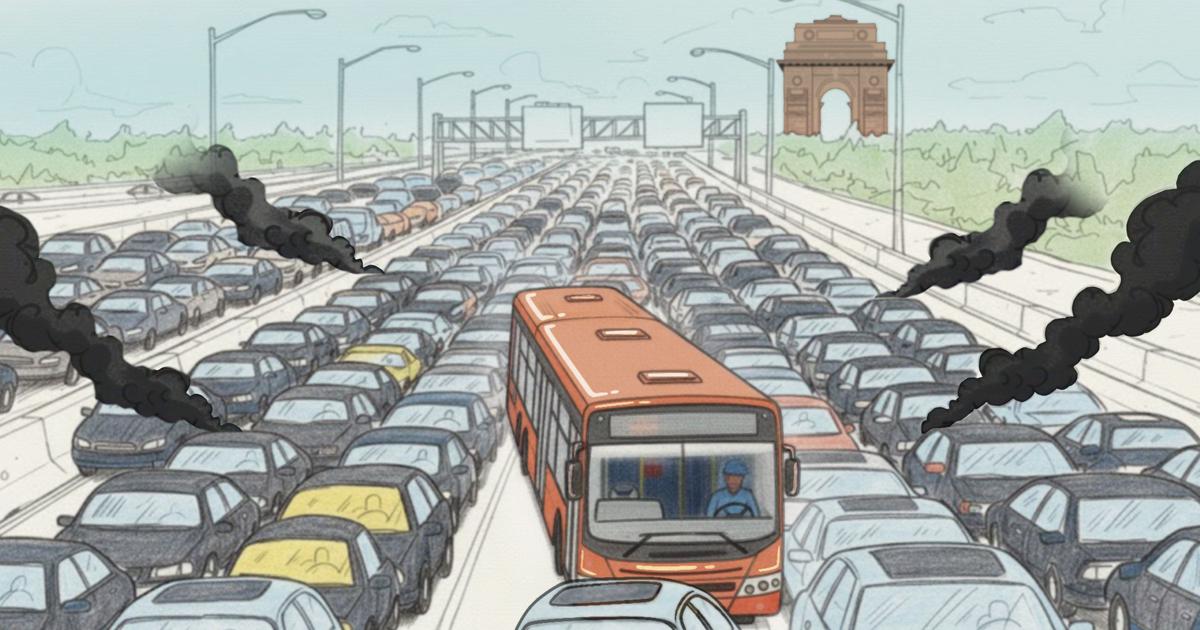
PC: Scroll.in
- Berlin or London, we can drive a car as long as it passes regular fitness tests, which are strict. But in Delhi, our petrol vehicle is legally dead the day it turns 15, diesels die at age 10. This is the state trying to protect citizens from themselves, from the emissions of their vehicles. Well-intentioned, but without a scientific basis. Simple. A Delhi Technological University (DTU) study questions the assumed correlation between vehicle age and emissions. It says mileage – kilometers run – affects emissions more. Mileage is equally important and, in many ways, more reflective of how a vehicle behaves on the road. Why? Because ignition systems, catalytic converters, and combustion efficiency degrade with use.
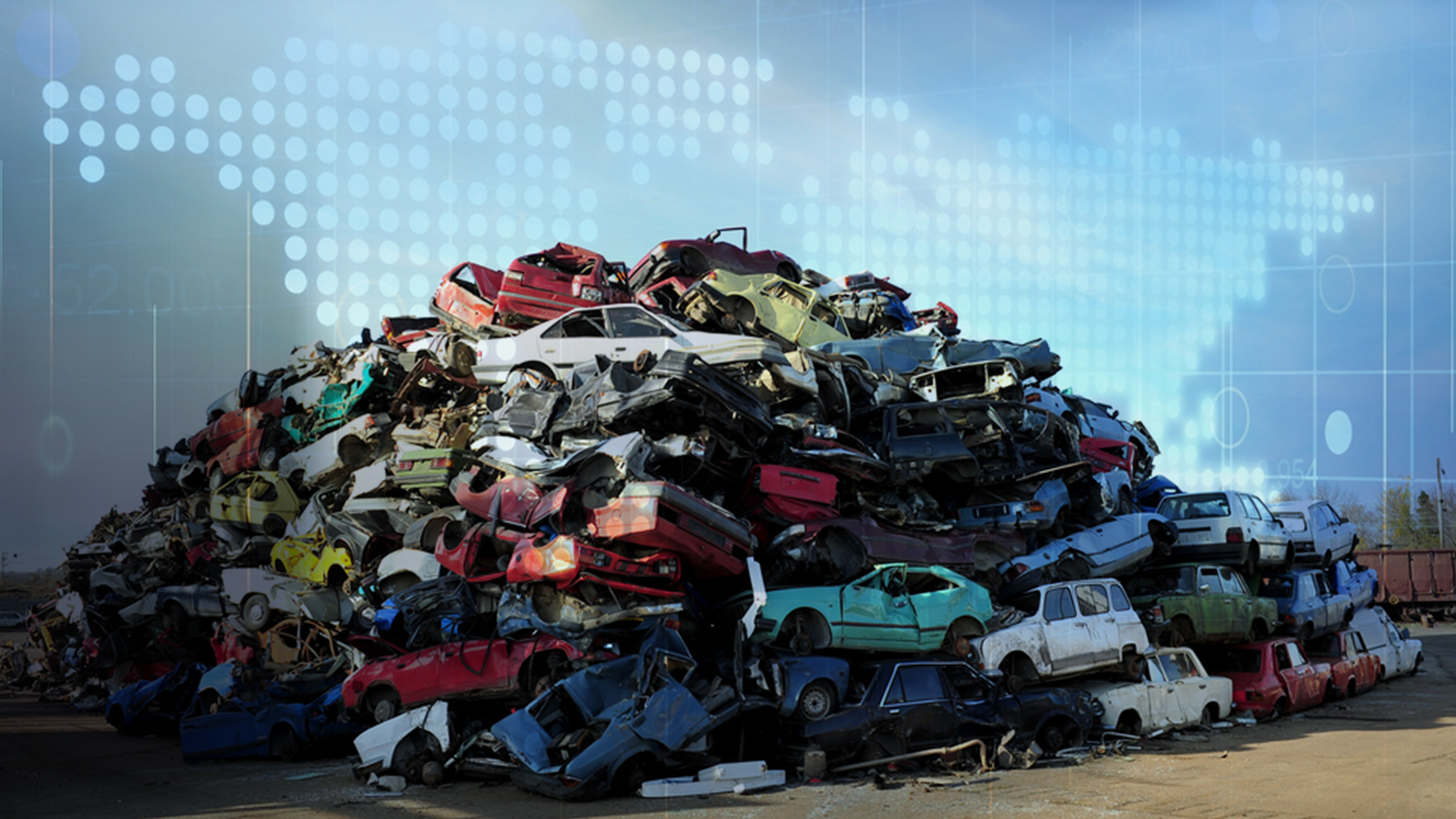
PC: SNS Insider
- Global energy and infra consultancy Ricardo had earlier shown that even Euro 3 cars, made during 2000-04, had good emissions till a mileage of 1000,000km. This year, Polish researchers showed emissions from cars driven 86,000-160,000km were significantly higher than those for low-mileage cars. The takeaway from all rigorous research is that mileage matters more than age. Given that the Delhi government has challenged the vehicle age-based scrappage policy in the SC, these points deserve attention. Indiscriminate scrapping of vehicles has a huge environmental cost, because making new cars consumes materials like plastics, electronics, tyres, batteries, engine fluids, and energy. Scientific ways to curb emissions should be thought about.



