
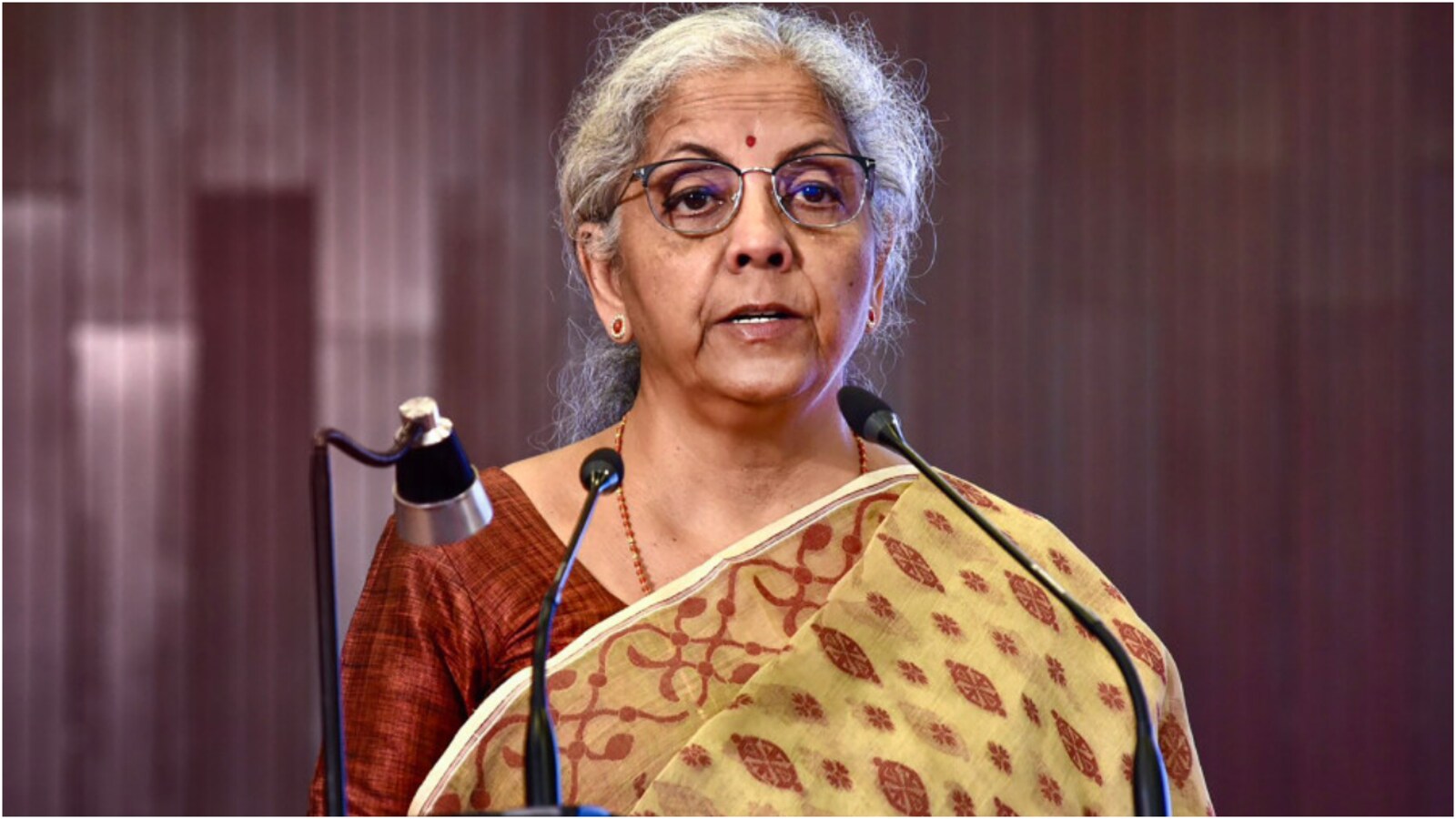
- Donald Trump has unleashed an illogical, ill-advised, and largely counterproductive tariff war on several countries and their products ostensibly to offset what he considers unfair trade practices. Whereas several countries fell in line, and a few like India and China have simply ignored the hefty tariffs imposed and have set about countervailing measures to tackle the situation. Meanwhile, the Indian Finance Minister has followed up on what Prime Minister Narendra Modi announced on the occasion of the Independence Day by unveiling much-needed GST reforms by slashing the slabs from four to two. What does it entail for the consumers now? There will be two slabs, viz. 5% and 18% with 12% and 28% removed. Let’s dwelve further to discern the move.
PC: Moneycontrol
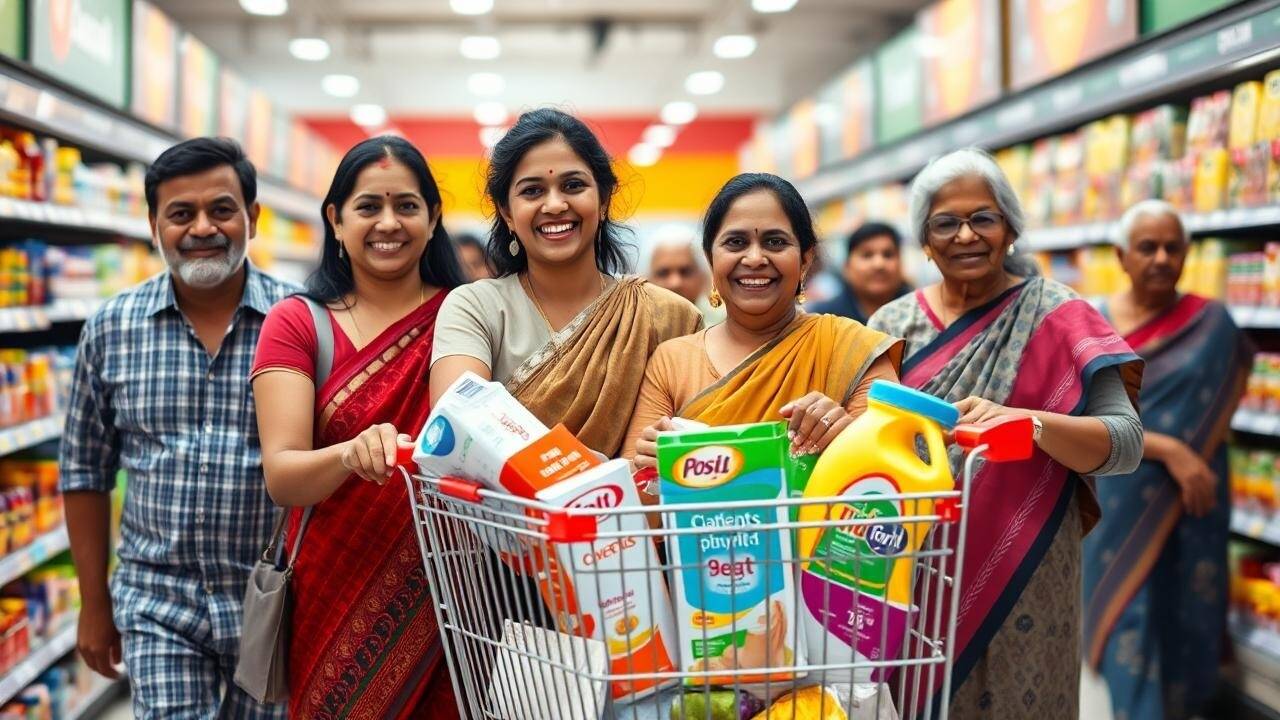
- Of course, there is no connection between the tariff war and the slashing of the GST slabs, even though the timing of the reform is most appropriate. Notably, GST reductions won’t boost economic growth unless businesses pass them on fully to the consumers. The new GST will come into effect from 22nd September 2025. With most goods moving to the corresponding lower rates of 5% and 18%, the indirect tax burden should come down. For items like pencils and erasers, the reduction may be hard to pass on to end users, unless they are buying in bulk. But in health and life insurance, where the government has forgone GST completely, the expected savings are substantial and will hopefully increase insurance penetration.
PC: Times of India
- That’s the hope, but noises from industry suggest the benefit may not be passed on in totality. Insurers say that unless they are allowed to claim input tax credit on expenses, the net relief for policy buyers will be small. This requires the government’s urgent attention because policy reform is no good without ground action. The whole point of taxing less is to make goods and services cheaper, boost demand, and drive economic growth – not pad the bottom line. Although the CGST Act requires firms to pass on the benefits of lower tax rates to consumers, registration of cases for breach of this rule was discontinued in April this year. Now, the government can only advise firms in this regard. But this brings into play the logic of marginal returns.
PC: The secretariat
- Mind you, if slashing prices boosts demand and profits, firms will do so. But if they foresee no change in demand, maintaining prices at the current level will be more profitable. Private consumption accounted for 61% of GDP last year and is the main engine of India’s economy. But for a long time now, discretionary spending has been weak. Car sales didn’t perk up around Diwali last year, and people have been spending less on eating out, etc. That’s why the generous tax reduction on smaller cars, bikes, and all trucks and tractors can be a game-changer this festive season. GOI’s risking Rs.93,000cr in revenue with these cuts, but if demand picks up, the gains could be bigger. Yes, the GOI must ensure that lower taxes lead to lower prices.




 effective September 22, 2025, with the government risking Rs. 93,000 crore in revenue to potentially boost consumer demand. The success of this policy depends on whether businesses pass the tax savings fully to consumers, particularly in sectors like insurance, automobiles, and consumer goods, amid concerns about weak discretionary spending in the economy.)