

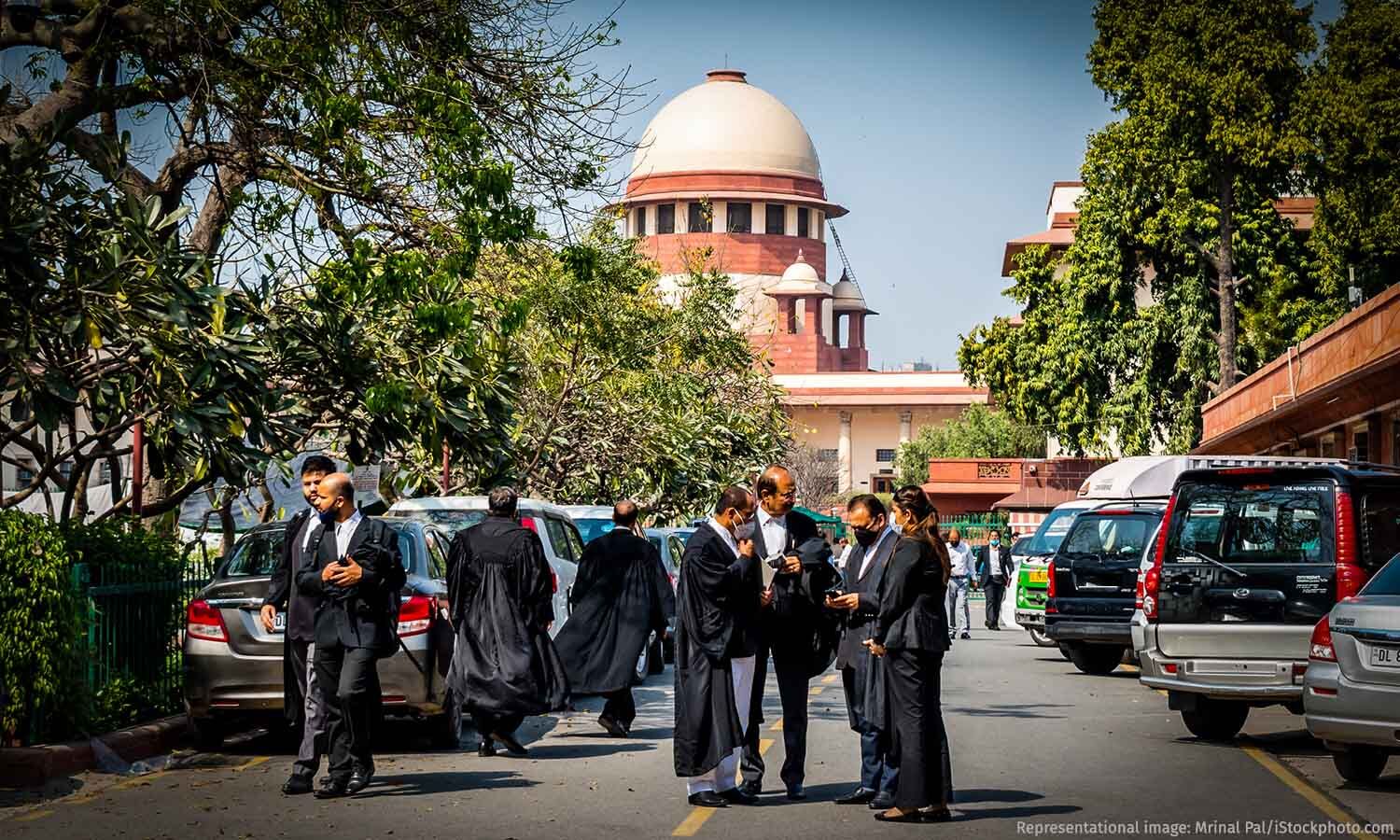
- At the best of times, the Indian justice delivery system is cumbersome, arduous, and extremely time-consuming is stating the obvious. The very mention of courts would make Indian citizens cringe, cynical, and cagey about the process of seeking justice from the various courts. Of course, innumerable articles, satires, movies, and plays have showcased how our judicial delivery system ruthlessly meanders along, offering little respite to the common citizens seeking remedies. Thankfully, the higher judiciary, especially the Supreme Court, has stepped in to address whenever Indian citizens find themselves swept away by the labyrinthine legal wrangles. Little wonder, the countrymen view the Supreme Court as the last resort for any redressal of their grievances.
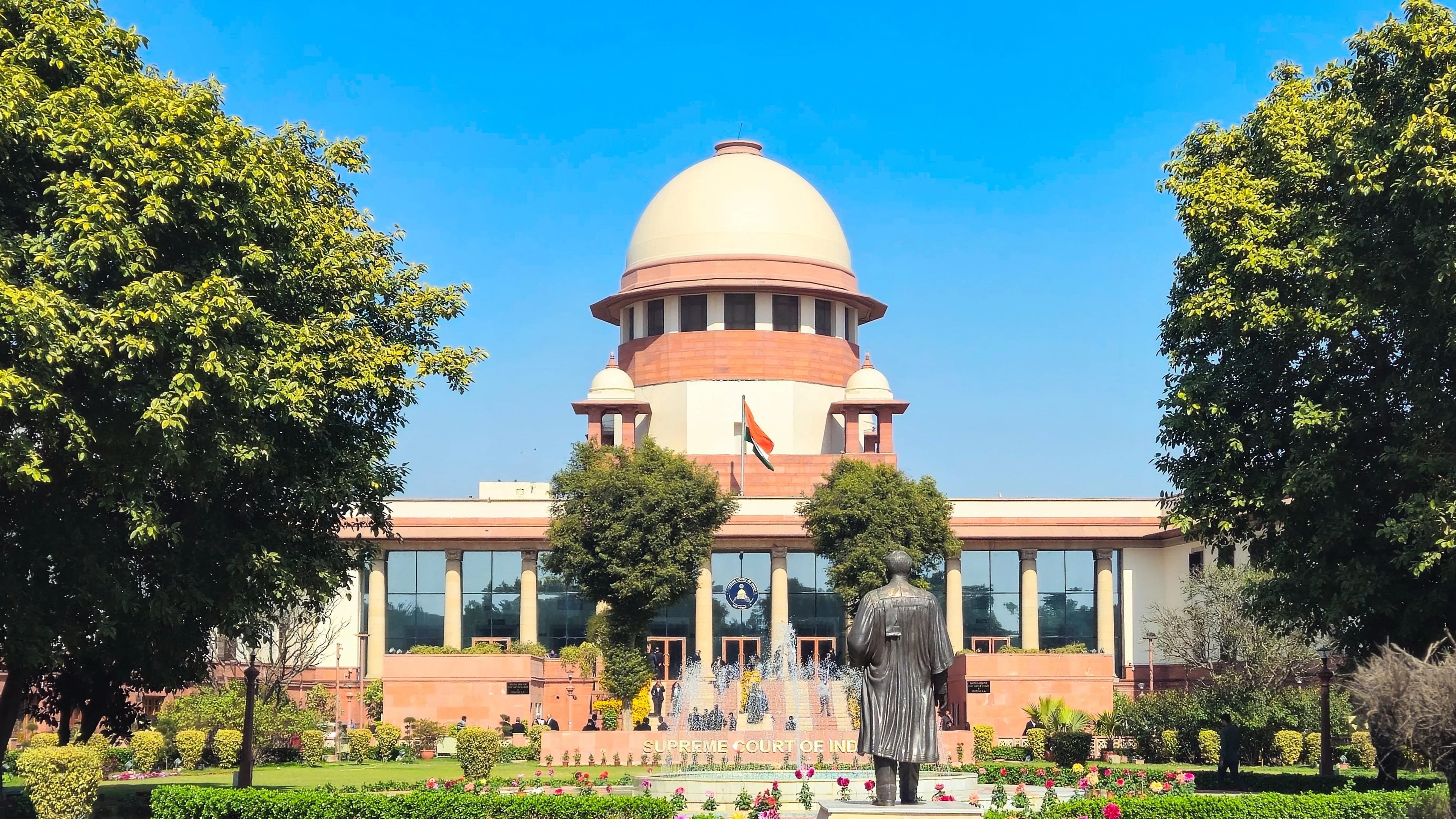
PC: Deccan Herald
- As we are aware, the Supreme Court not only strives to uphold the letter and the spirit of the Constitutional provisions envisaged but also sets right some of the misinterpretations by the lower courts, including the High Courts. The latest incident that caught the attention is the way high courts and trial courts are accepting compensation to victims instead of sentencing. Make no mistake, such acceptance simply inverts justice. Thus, the SC recently read high courts and trial courts a lesson on sentencing for the umpteenth time – reducing sentences in serious crimes goes against both letter and spirit of the law and is counterproductive in the long run, since the law then is no deterrent. It’s worth reiterating that precedent/deterrence plays a huge role here.

PC: Deshabhimani
- For the uninitiated, the SC was hearing an appeal against a Madras High Court order that let off an attempt-to-murder convict on the ground that he would financially compensate the victim. SC called out what it described as a persistent misunderstanding among courts – that convicts in grave offences can be leniently sentenced if they pay off the aggrieved party. For over two decades, SC has warned against judges projecting undue sympathy with inadequate sentences that would do more harm to the justice system and undermine public confidence. In 2004, the SC observed that imposing a lenient sentence without considering its effect on social order may be a futile exercise. Such observations are blatantly being ignored.

PC: MillenniumPost
- Mind you, the SC underlined serious offences – crimes against women at the top of the list – that demand proportionate punishment regardless of compensation or mitigating circumstances. Indeed, undue sympathy is most egregiously evident in cases involving crimes against women. Last March, SC took cognizance of an Allahabad HC order that almost carved out a new category of offence – preparation to commit rape – which would invite a lighter sentence. SC overturned that order, too. But the pattern is all too familiar. Far too many judges in far too many courts have discussed or ordered that survivors of sexual assault should marry the rapist or accept payment as closure. As mentioned above, such orders invert justice. Deterrence/precedent always matters.