


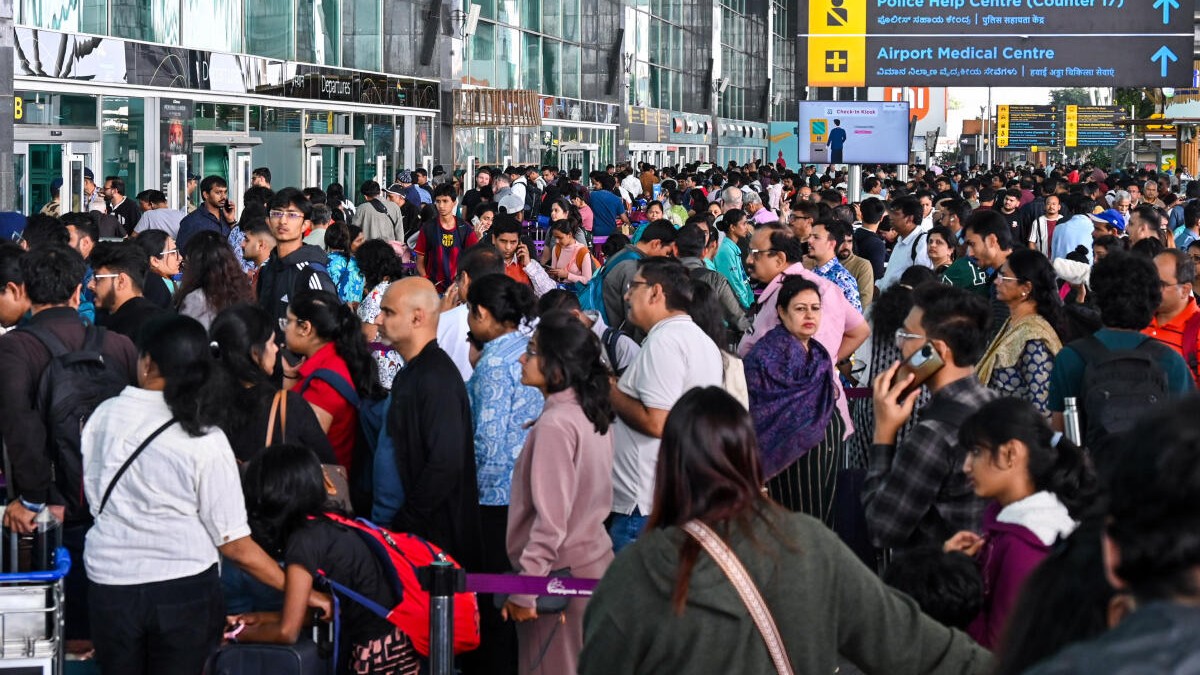
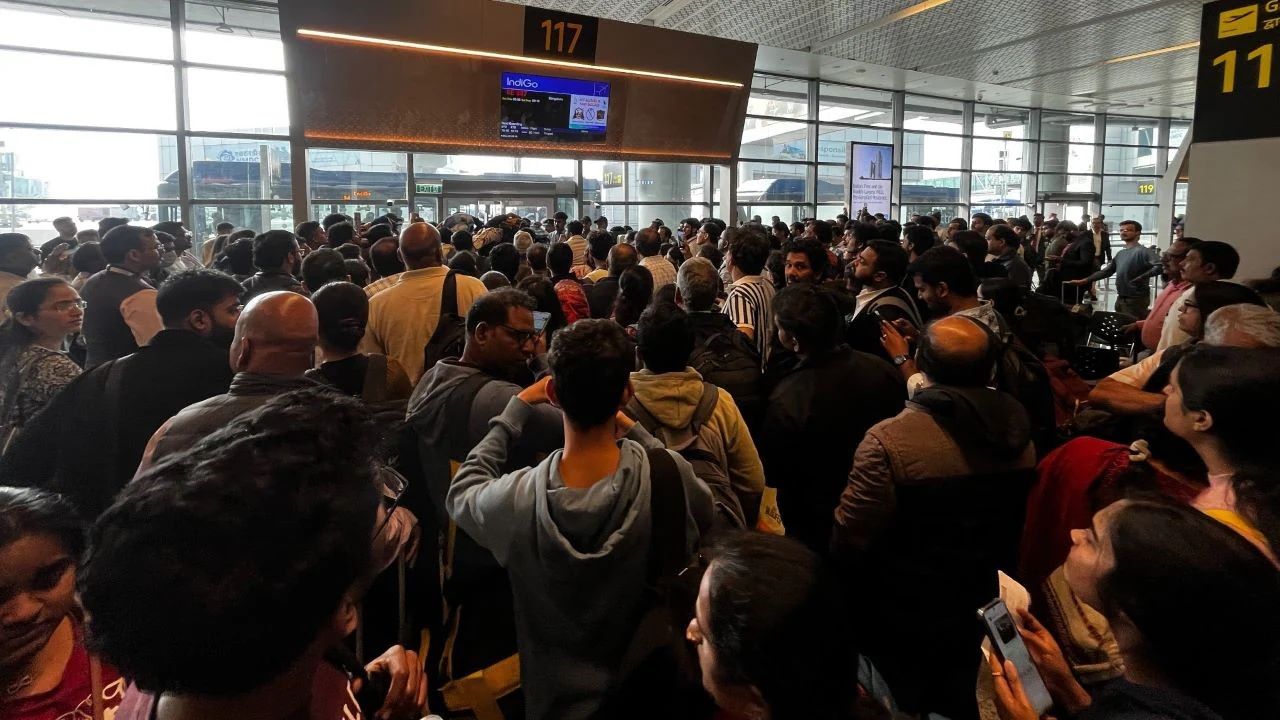
- The whole world must have felt surprised and aghast at the way Indian civil aviation witnessed one of the most reputation-damaging disruptions courtesy of the inability of IndiGo airlines failing to meet the flight duty time limitations (FDTL) as mandated by the regulator, Director General of Civil Aviation (DGCA). What ensued was not only severe discomfiture to scores of air travelers but also immensely harmed the prospects of the civil aviation ministry planning to expand the reach of the industry to every nook and corner of the country. Despite being accorded enough time for the airline to follow the FDTL, ensuring pilots’ well-being and, in turn, that of the travelers, IndiGo chose to look the other way, which speaks volumes about the flip side of duopoly in India.
PC: Deccan Herald
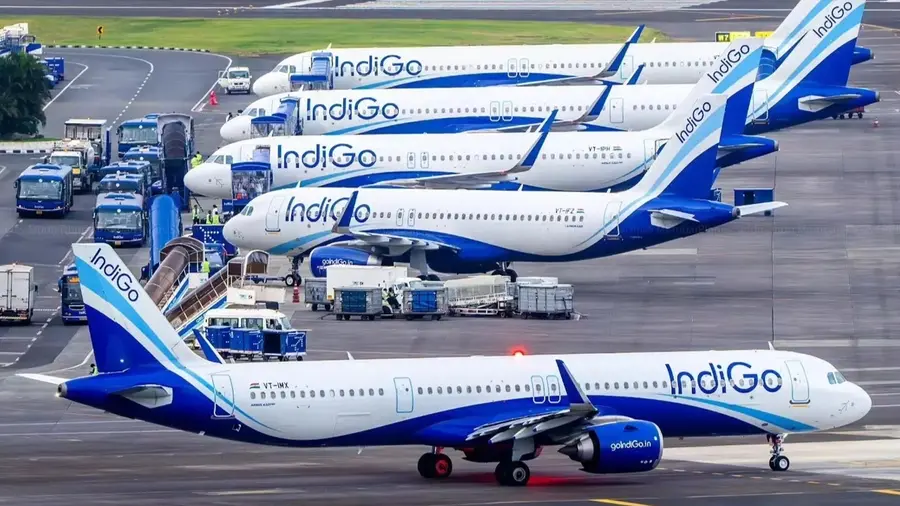
- Mind you, the domestic air traffic is majorly handled by the Tatas and IndiGo, with the latter almost servicing 61% of the air travelers. What should have been routine acceptance and adherence, IndiGo completely messed up the DGCA guidelines on FDTL, resulting in widespread disruptions. As we know, February 10 is when India’s biggest airline will face a new test, as new pilot duty rules kick in. DGCA better watch out. Of course, slapping IndiGo with a Rs. 22.2cr fine – the steepest ever for an Indian airline – for massive flight disruptions last month, DGCA has sent out the right message. Additionally, the airline must submit a Rs. 50cr bank guarantee whose release is tied to implementing the new flight duty norms for pilots.
PC: Dynamite News
- Further, the airline’s senior VP of operations control centre must be removed. DGCA’s probe into IndiGo’s schedule collapse found over-optimisation of operations, inadequate regulatory preparedness, and shortcomings in management structure and operational control. As management gurus would put it, the airline failed to identify skill deficiencies and maintain a sufficient operational buffer. But even if this sounds like management jargon, it’s what turns a smooth flight into a catastrophe. The airline business is a highly sophisticated operation. Any operational deficiencies can lead to a huge domino effect. That’s precisely what happened to IndiGo last year. Its failure wrecked the flight schedule and stranded thousands of passengers.
PC: Deshabhimani
- But will the slap on the wrist by DGCA make a difference? At the heart of the problem is the fact that India’s aviation sector today is a duopoly, with IndiGo holding around 61% market share. Thus, the airline is essentially too big to fail, as customers have few other options. True, aviation is a tough business the world over. But it is for the GOI and regulators to look at how entry barriers can be lowered and the market made more competitive. A relook at the steep tax on aviation fuel is warranted. Here, the regulators need to get their act together. DGCA report addresses flight disruptions only between Dec 3 and 5, whereas thousands of flights were cancelled or delayed beyond Dec 5 too. Why is this slack for IndiGo? DGCA should not be lenient anymore.



 caused massive flight disruptions, resulting in a record Rs. 22.2 crore fine and Rs. 50 crore bank guarantee requirement. The incident exposes deeper concerns about India's aviation duopoly, where IndiGo controls 61% market share, highlighting the urgent need for stricter regulatory enforcement, lower entry barriers, and increased market competition to protect passenger interests and ensure operational accountability.)