

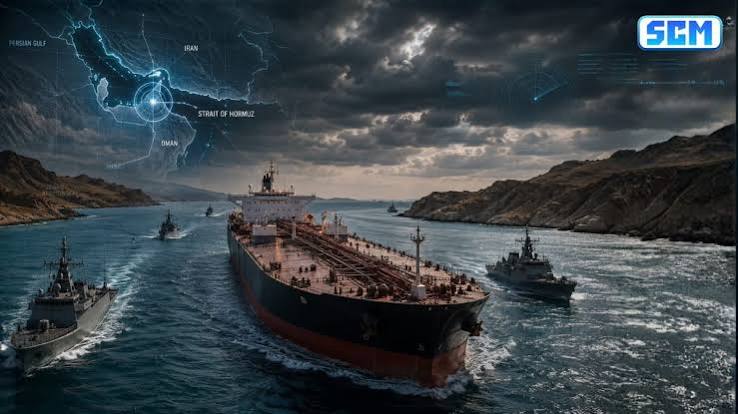
- The US/Israel-Iran war continues to meander along with no end in sight. The fragile ceasefire and the stalled peace talks are further causing tremendous heartburn for the global community, which is grappling with a stifling economic downturn. Amid these far-reaching challenges, the fate of stranded seafarers hangs in a delicate balance in Hormuz. Pragmatically speaking, the US and Iran don’t care about the Indian seafarers one bit. India must speak for them even more with force. With hostilities between the US and Iran flaring once more, commercial shipping in Hormuz is again trapped in the line of fire. The recent killing of three Indian seafarers aboard the Palau-flagged MT Settebello must be of great concern for the families and the Union Government alike.
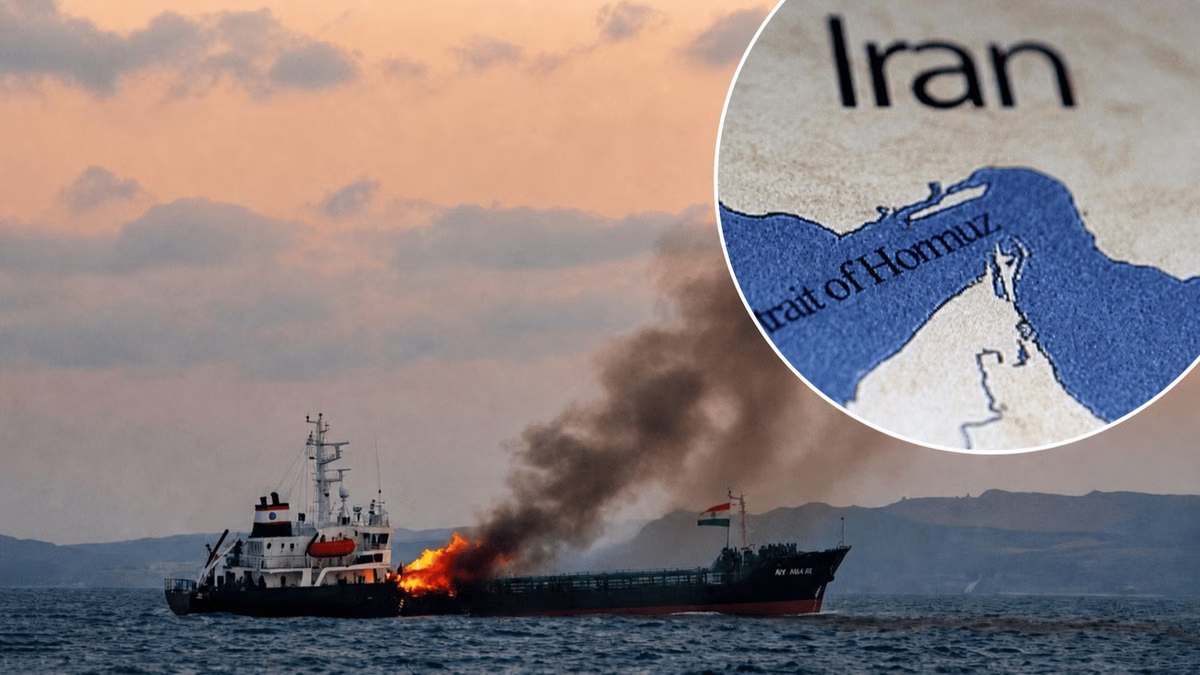
PC: The CSR Journal
- The strike by US forces for allegedly attempting to breach the American blockade of Iranian ports has underlined the perilous new reality for maritime workers. New Delhi was right to lodge a strong diplomatic protest and demand an immediate end to attacks on commercial vessels. But the plea appears to have met a wall of indifference. Yet another strike on the Guinea-Bissau-flagged MT Jalveer, which had 20 Indian seafarers aboard, shows the danger is only widening. Fortunately, all crew members survived and were rescued. These incidents expose the deepening humanitarian emergency now gripping Hormuz. Since the US-Israel war against Iran began, nearly 20000 seafarers, many of them Indians, have been stranded in this critical artery of global trade.
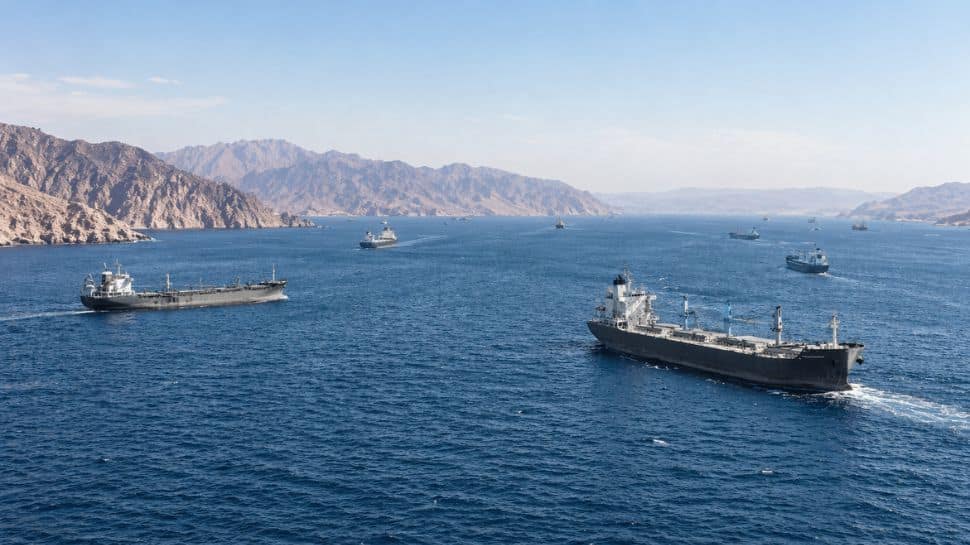
PC: Zee News
- Notably, some are marooned on giant vessels where food, water, and morale are running dangerously low. With an estimated 1600 ships immobilized in the region, Iran’s blockade and America’s counterblockade have tied global shipping into a brutal Gordian knot. Shipowners carrying cargo worth hundreds of millions of dollars face an impossible bargain. If they coordinate with Iran to evacuate vessels, they risk American retaliation. If they seek the US clearance, they may invite IRGC attacks. Of course, the worst burden falls on crews. Many sailors are nearing the end of their contracts, with rotations already overdue. Yet repatriation remains remote. Reports that some owners are pressuring seafarers to remain on board by withholding wages are alarming.
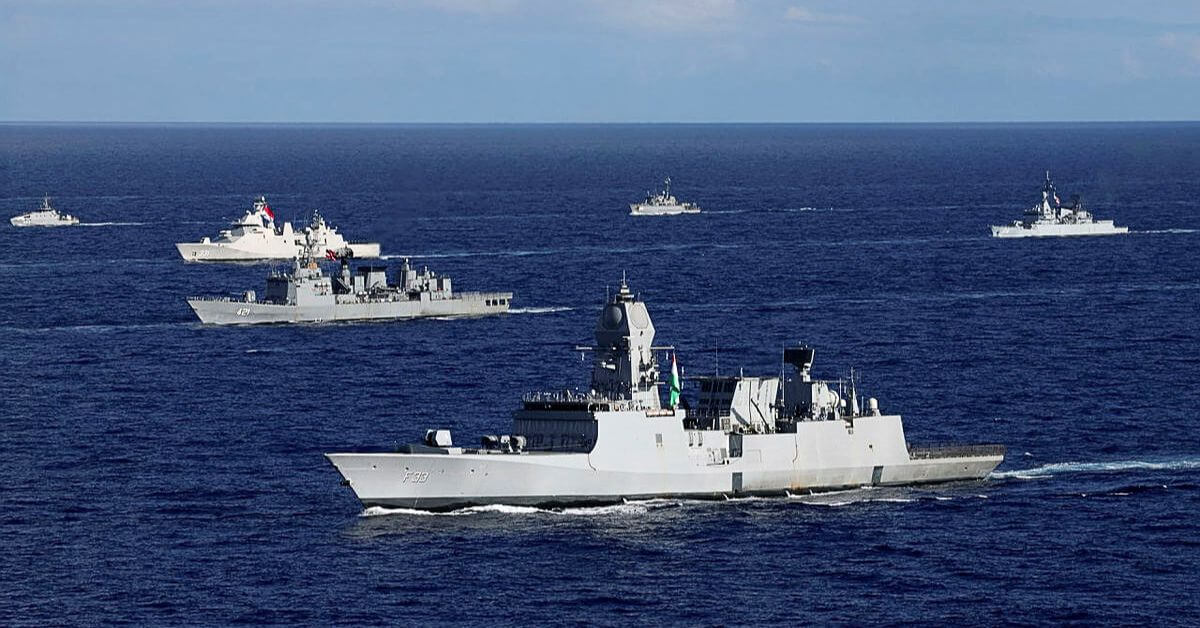
PC: Marine Insight
- Repatriation is not a favour. It is a right protected under international maritime law. But owners fear they will not find replacement crews, while insurers and financiers fear mounting losses. The result is a grim calculus in which human beings are treated as ballast, while ships are pushed into dangerous transit runs. The only humane solution is coordinated evacuation of vessels and crews from Hormuz. Sadly, so long as Washington and Tehran treat the waterway as a weapon of war, cooperation will remain elusive. This has consequences far beyond the Gulf. If major sea lanes can be militarized at will, international trade itself becomes fragile. India, with its long maritime tradition and large seafarer workforce, must lead the campaign for open sea lanes and the protection of sailors. That mission sits squarely within its multi-aligned foreign policy.