

- The Indian citizens have become immune to the heartbreaking and gut-wrenching fire incidents that keep occurring at an alarming rate. We are also aware of what follows such a disturbing incident from the authorities concerned. The usual platitudes ensue. The government orders an enquiry committee to fix the blame on the officials found lacking in the execution of their jobs. Condolences offered to the bereaved families. Compensation package announced. Sound bites from the authorities concerned on how they are going to fix the nonexistent system are announced as a matter of routine. The media will highlight the plight of the family for some days, berating the authorities’ gross indifference/negligence. And we are back to normal life. Period.
PC: Mid-day
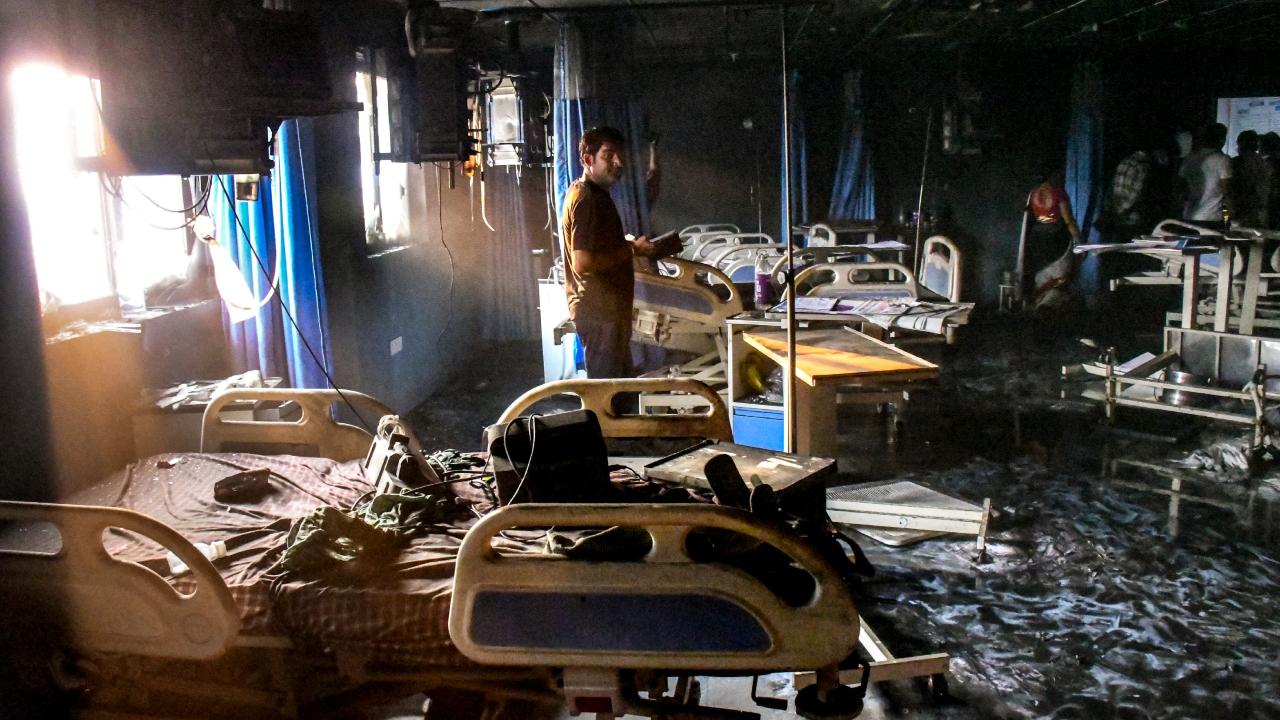
- This disparaging script plays out so often with such mundane nonchalance that we do not feel shocked anymore, since a gamut of emotions has already been exhausted. Fire safety in India is grossly neglected, which would be tantamount to an understatement. Needless to mention, we miserably failed the fire safety test, yet again. Tragedies have piled up over the years. Sadly, enforcement hasn’t moved. The whole nation must have grieved when a Delhi hotel fire left 21 dead, 18 of them foreigners. A day later, the ICU of a hospital in Muzaffarpur, Bihar, was ablaze. By afternoon, five deaths had been confirmed. We have witnessed too many of these horrors and hence, are beyond feeling shocked. Fire casualties have simply become part of our daily lives.
PC: Hindustan Times
- Ten years ago, one of every five fire-related deaths globally used to happen in India. There’s no reason to hope things are better now. In fact, before last week’s hotel tragedy, fires in Delhi had already claimed 45 lives this year – 15 in March, 13 in May. If that’s the state of the capital, how bad might things be elsewhere? It’s left to one’s imagination. This is not a rhetorical question. In 2023, the WHO said more than 1mn Indians are moderately or severely burned each year. And the reason isn’t geography. We aren’t so fire-prone because of some natural disadvantage. Our complete disregard for rules and safety is a predisposing factor. Otherwise, the Dabwali fire of 1995 should have been the mother of all lessons. It was a school’s prize distribution function.
PC: The Times of India
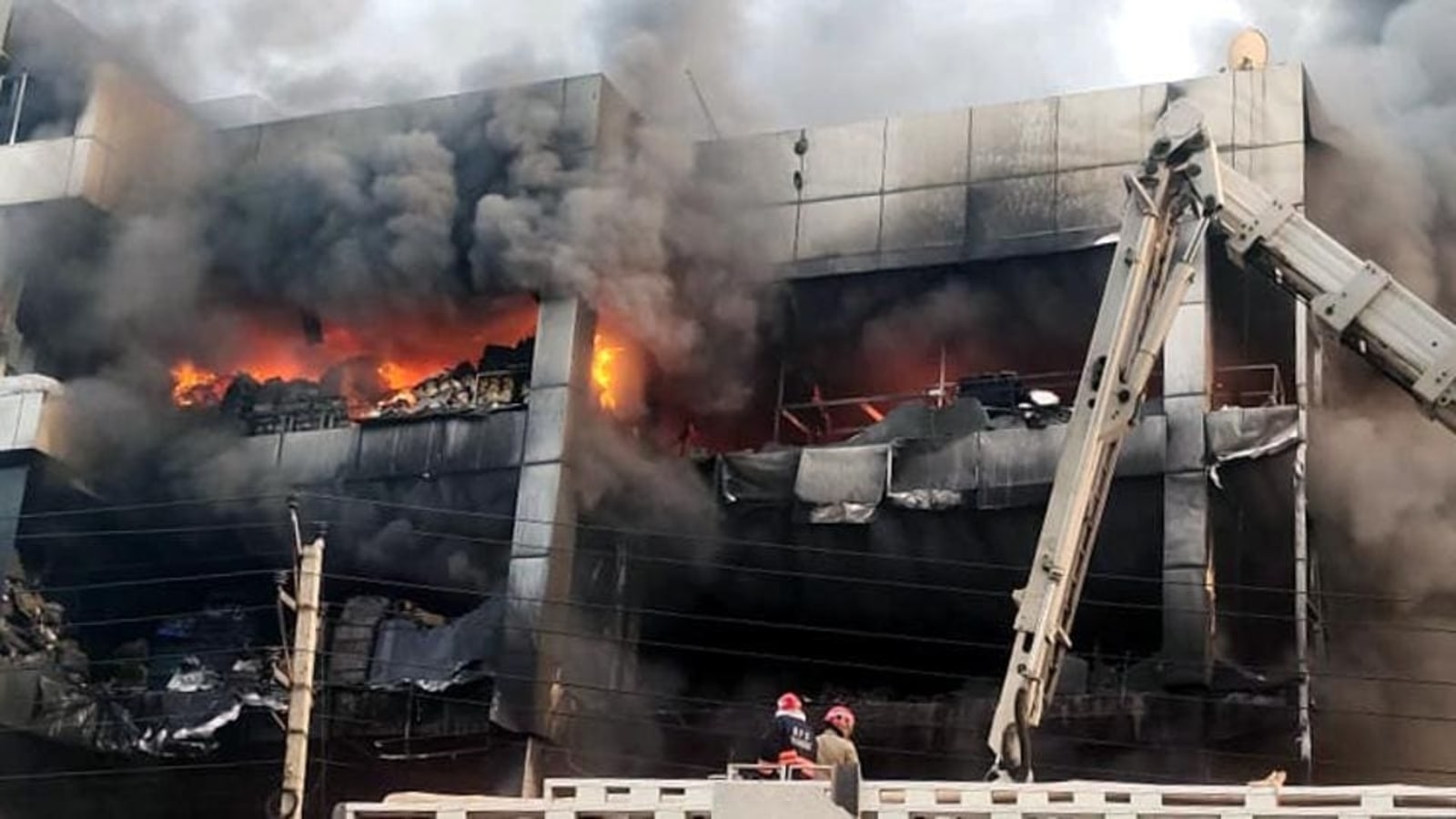
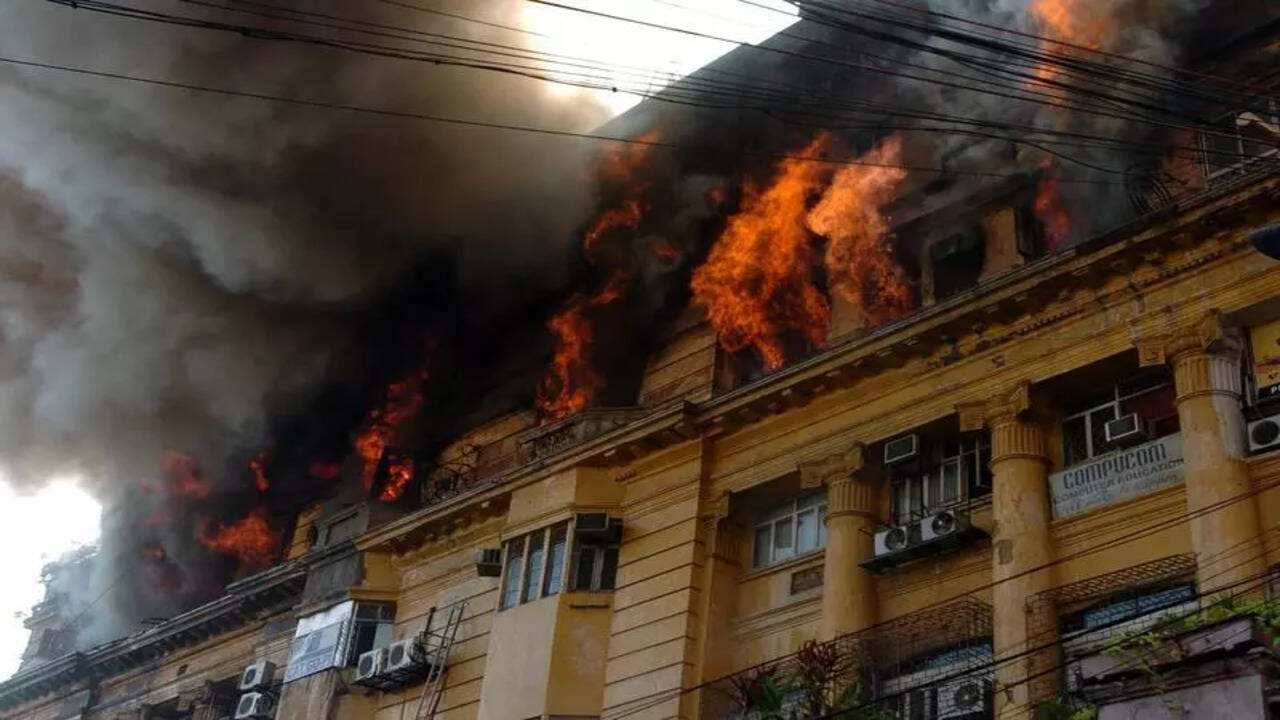
- Further, the enclosure was made of cloth. It was packed way beyond capacity, and one of its two exits was closed for VIPs. Result: 446 people died when the enclosure caught fire. That should have rewritten every safety manual in the country. But no, Delhi’s Flourish Stay B&B, the one that was gutted recently, had only one exit. In 2019’s Anaj Mandi fire, also in Delhi, 45 workers died because one of the two staircases in the building was blocked with combustible goods. That same year, 22 students died in Surat’s Takshashila Arcade because their makeshift fourth-floor coaching centre was a tinderbox, with plastic walls and ceiling, and no escape route. Everywhere it’s stupidity and greed. It’s depressing to note our deficient firefighting infra – 97.5% shortage of fire stations, and 96.3% of personnel, according to NDMA – won’t help. Can something be done?