
- The global community is familiar with the grossly one-sided import tariffs imposed by the Donald Trump regime soon after assuming office. Every other country was threatened, cajoled, bullied, and talked into by the US administration about the perceived injustice to the American nation. While many countries made a beeline to circumvent/prevent/reduce the import tariffs announced by the USA, some of the countries not only defied the tariffs by imposing reverse tariffs on Washington but also stood firm in not bending to the whims and fancies of the former. While the Dragon Nation, China, went ahead and imposed reverse tariffs and also restricted a few of the critical products like rare earths, the Indian leadership chose to negotiate on an equal keel, wisely.
PC: Free Press Journal
- Here, due credit should accrue to the Indian leadership for not compromising on the domestic necessities but keeping the channel of negotiation open with the USA, eventually resulting in the announcement of reaching an understanding on the trade deal. However, the US’s latest tariff threat is illogical. India should not only challenge it but also offer no concessions under pressure. Trump’s Iran war has cost Americans about $100bn already, twice the estimated real earnings from his reciprocal tariffs. While it’s true that the US pocketed an additional $214bn from tariffs, it’s got to refund some $165bn, since the Supreme Court there deemed those tariffs illegal in February. Yet, Trump is unfazed, trying to hit dozens of trade partners with new duties in late June or July.
PC: RegisterKaro
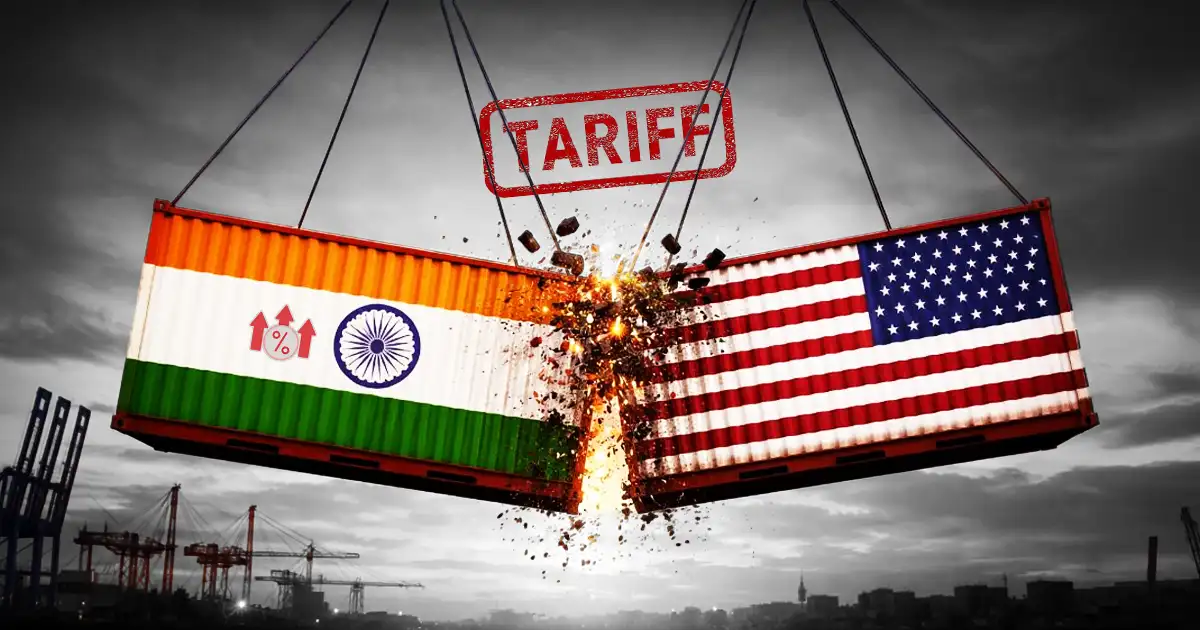
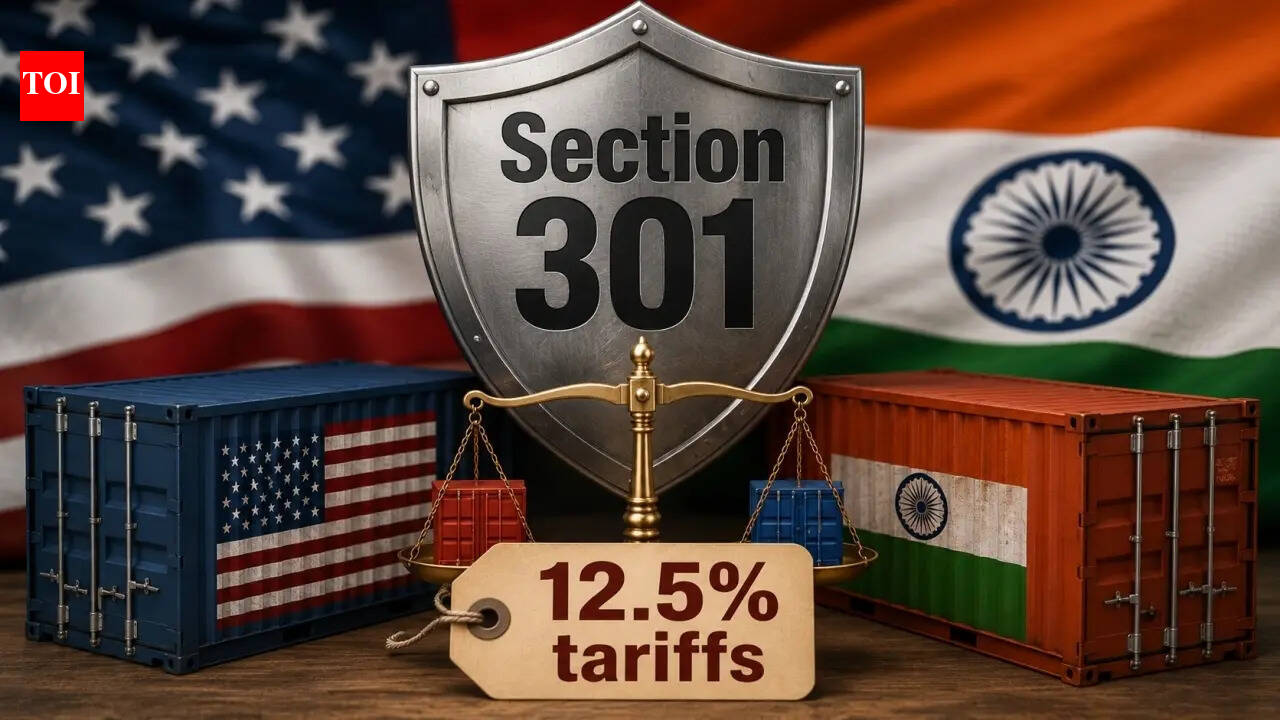
- Coincidentally, close to the July 24 expiry date of his 10% universal tariff. Knowing this, what should we make of the US move to hit India with a new 12.5% tariff, for allegedly not doing enough to prevent trade in goods made with forced labour? To be clear, the US is not saying that India uses forced labour to make US-destined goods. Rather, it’s arguing that India itself buys goods made elsewhere with forced labour. How is it America’s problem? It isn’t, but for the sake of tariffs, Trump’s admin is using it as a fig leaf. The US trade representative has said such imports hurt American workers, who are supposedly forced to compete globally on an unevenplaying field. Common. This is stretching the limits of irrationality surrounding the whole tariff move.
PC: The Times of India
- Note that Section 301 of the US Trade Act, under which India and 53 other countries stand accused, was meant to investigate unfair policies and practices by other countries that hurt US commerce. For instance, IPR practices in China. But wagging a finger at the EU, India, Canada, etc, for the goods they buy is taking unilateralism too far. It’s also hypocritical, because rare earths, some other metals, coffee, pharmaceuticals, aircraft parts, etc, remain exempt from tariffs related to forced labour. Hence, exploitation of, say, cobalt miners, is fine if it suits the US. The 12.5% tariff hasn’t been imposed yet. India can request a hearing, and it should. India should stand firm and engage in trade talks. Let’s not budge from this stand, even if it means an additional 12.5% tariffs.