
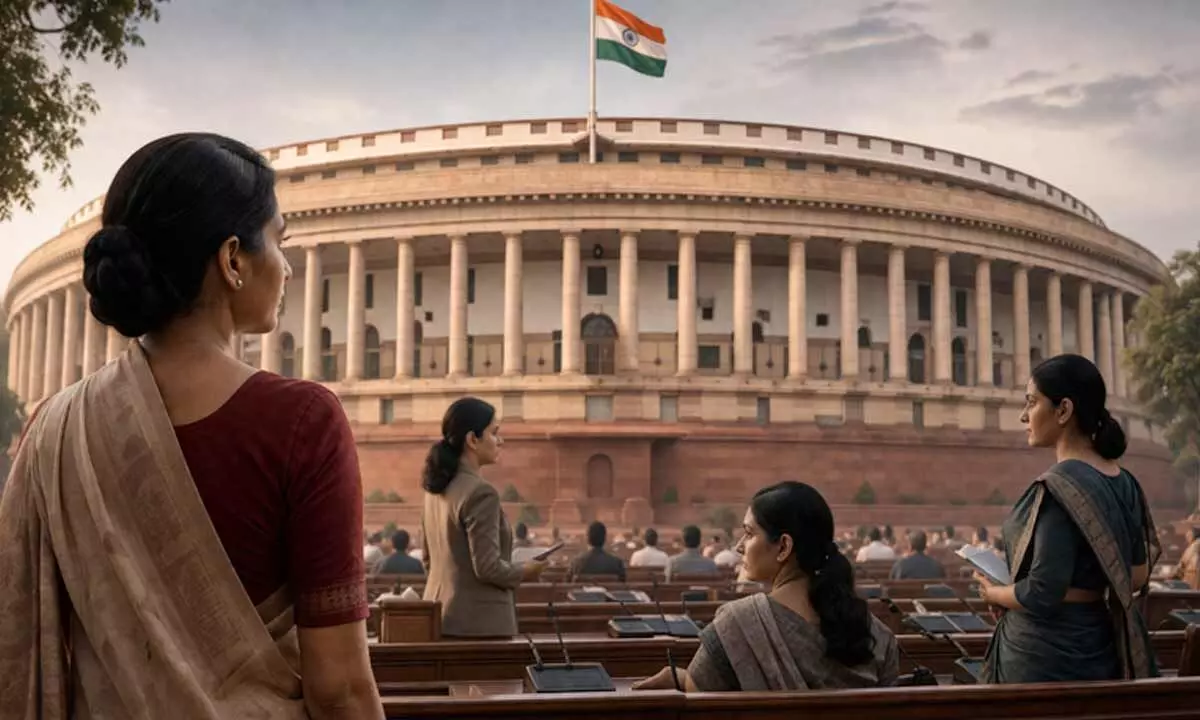
- People closely following the fortunes of the Indian political churning in the country and beyond would have noticed how the narrative here has only become increasingly polarized on the usual trope associated with the parties. The communal versus secular, national versus regional, and nationalistic versus anti-nationalistic narration keeps playing out at every turn of political exchanges during elections and/or other times, as is well known. As is known to the countrymen, the political firmament here is largely based on reservations, quotas, and caste equations, making the conundrum not so easily decipherable. One of the most apparent outcomes of this narrative is the further polarization of society, vertically divided between the two main national alliances.
PC: The Indian Express
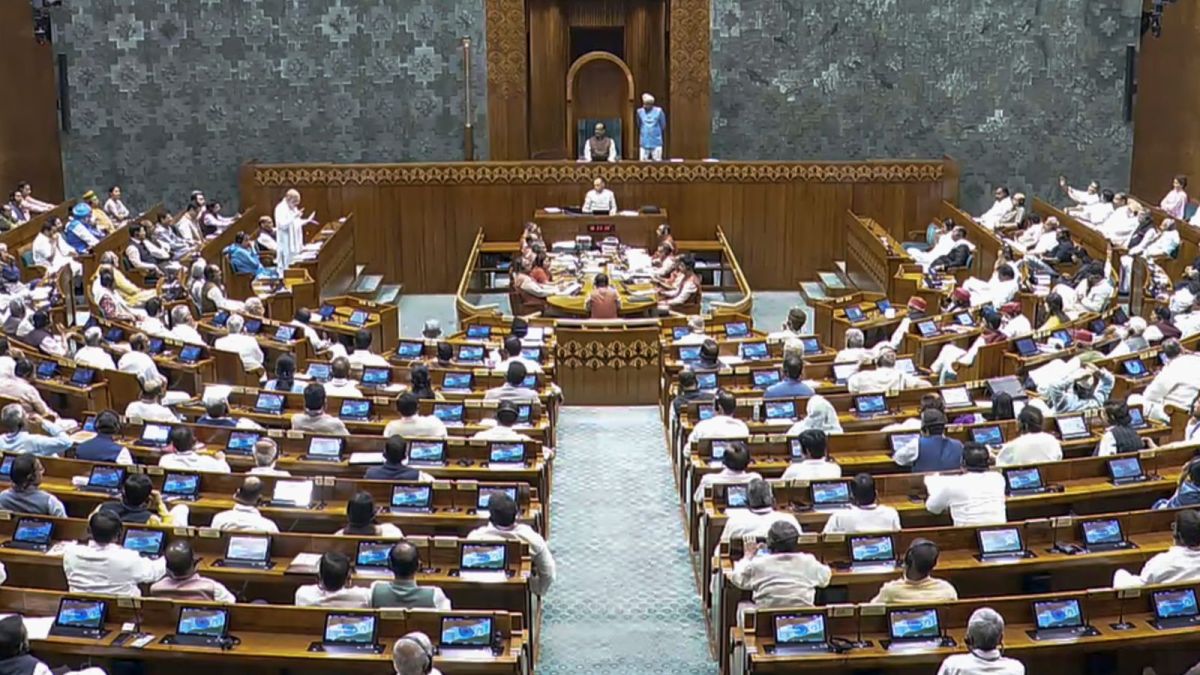
- For the uninitiated, the Indian political parties are divided between the Grand Old Party led United Progressive Alliance and the Bharatiya Janata Party led National Democratic Alliance, respectively. Of course, the regional parties in the country are powerful, aligning with the two major alliances, forming a chunk of the narrative. The whole country witnessed how the special session of the Parliament played out recently convened to discuss the implementation of the Women’s Reservation Bill to increase the Lok Sabha seats. The Women’s Reservation Bill, officially known as the Nari Shakti Vandan Adhiniyam (Constitution 128th Amendment Bill, 2023), mandates a 33% quota for women in the Lok Sabha, State legislative assemblies, and the Delhi assembly.
PC: Free Press Journal
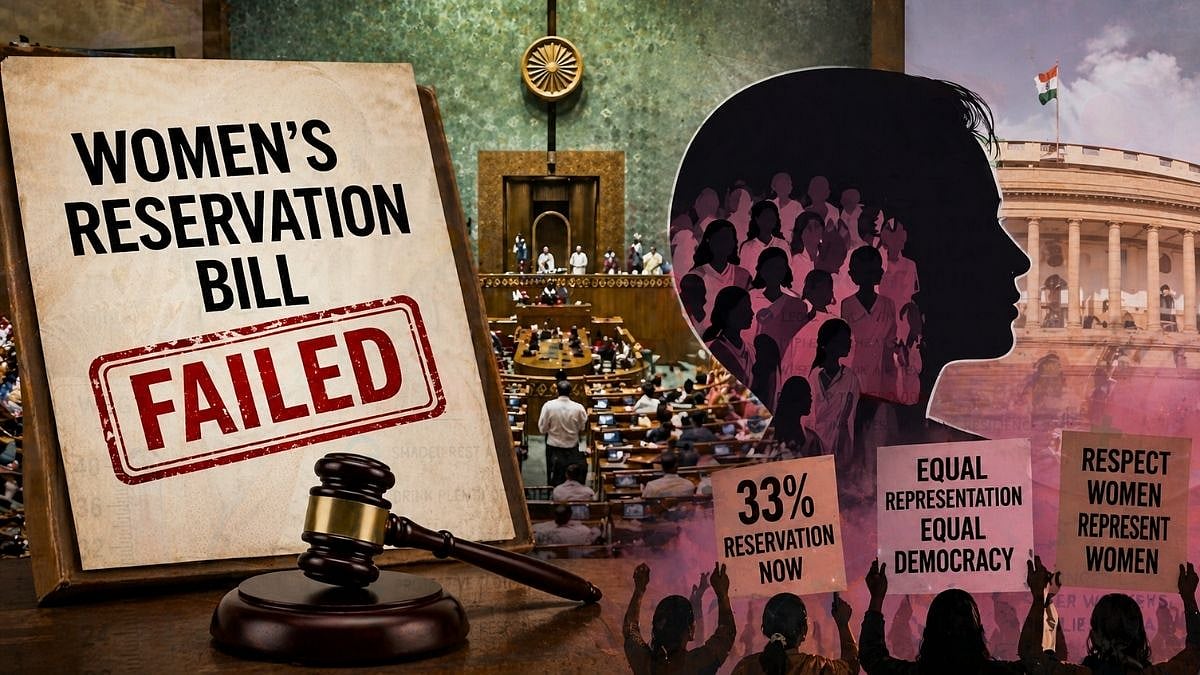
- This was passed in 2023, aiming to boost female political representation, with 1/3 of seats reserved for SC/ST women. The Bill was defeated because opposition parties, notably the INDIA bloc, viewed it as a “Trojan horse” designed to overhaul electoral boundaries (delimitation) rather than just providing representation. Key issues included linking the 33% quota to a contentious, delayed delimitation process based on new, uneven population data, which threatened to reduce the political weight of Southern states. The bill also faced criticism for lacking a separate quota for OBC and Muslim women, causing it to fall short of the required two-thirds majority in the Lok Sabha. The opposition saw it as an opportunity to corner the ruling dispensation at the Centre.
PC: Dailyhunt
- The moot point to ponder over here is why the opposition blocked the bill from becoming an act. The opposition was successful in arguing that the Bill wasn’t a standalone measure but was intrinsically linked to a fresh delimitation exercise, which would redraw parliamentary constituencies based on updated population data. This was feared to unfairly increase seats in Northern states while limiting or reducing representation from Southern states that have achieved better population control. Despite no less than the Prime Minister and the battery of other ministers led by the Home Minister assuring the House about the move, the opposition ensured the Bill was defeated. An opportunity lost or the political opportunism defeated. You pick.