


- As we are aware, India as a country is not only diverse, divergent, varied, and extremely unique in more than one way, but also differs in ethnicity, language, tradition, and culture from one region to another across the large swathe of the land. But what we share as the most common of grounds is our penchant for reservations and quotas in educational institutions and government jobs. What started as a social affirmative measure to support the disadvantaged people having undergone casteist suppression for ages has been turned into a political tool by the leaders, irrespective of party affiliations. The political parties always have an eye for further consolidating the assiduously built vote banks through caste equations, which is a known factor.

PC: Counterview
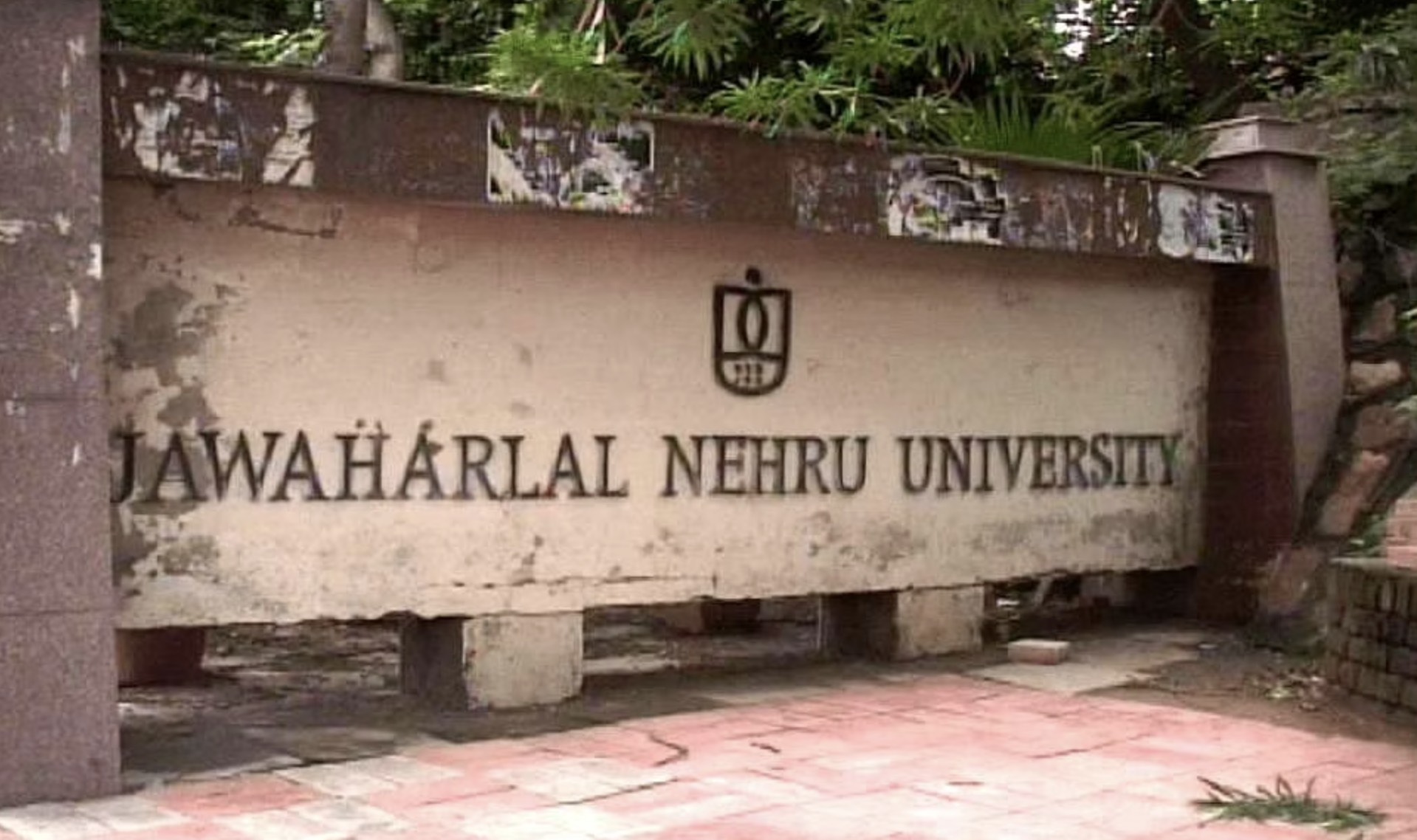
- However, what is not known is that the issue of quotas, though all-pervading in the Indian context, has made its presence felt in one of the renowned educational institutions in India, with a twist of its own. As reported extensively in newspapers recently, the quota proposal for teachers’ kids in Jawaharlal National University (JNU) is to be construed as an insider advantage and unfair. Mind you, the JNU is a university otherwise known for being progressive, having built a reputation through some of the most well-received initiatives in line with the fast-changing times. Note that JNU is adding seats, 5% more, for its undergraduate and postgraduate courses. Prima facie, this increase must be absolutely welcomed.
PC: livewire.thewire.in
- Under normal circumstances, this bit of information would have been welcomed by all concerned. We know that every bit of seat increase counts as around 16L registered for CUET last year. But wait, there’s a catch. The JNU seat increase is only for the teaching staff’s wards. It’s a supernumerary quota, which means seats added to the existing intake, for college employees’ kids. When admission to colleges is so fraught – a poorly conceived CUET, and its nightmarish implementation making matters worse – such a quota is disquieting. JNU already has a supernumerary quota in place for non-teaching staff – a janitor’s kid getting a leg-up is understandable. But this new quota is meant only for the wards of teaching staff.

PC: The Times of India
- This is a privileged group by any measure, both economically and by social capital. It’s also jarring because JNU is the cream of central universities – long ranked as India’s best or second-best university by NIRF, and its earlier avatar, NAAC. It sets a precedent. It boasts an enviable teacher/student ratio of 1:14. Its pluralistic character, truly representative of all parts of India, has been its strength, and its affirmative-action approach extended to even student admissions. Its unusual admission policy awarded deprivation points to candidates from backward districts, women, transgenders etc allowing for layered diversity on campus. Indeed, there are many aspects of JNU worth emulating, but this new 5% quota for teachers’ kids does not pass any test. It only institutionalizes insider advantage. Expand seats, but the quota must be a big no-no.