

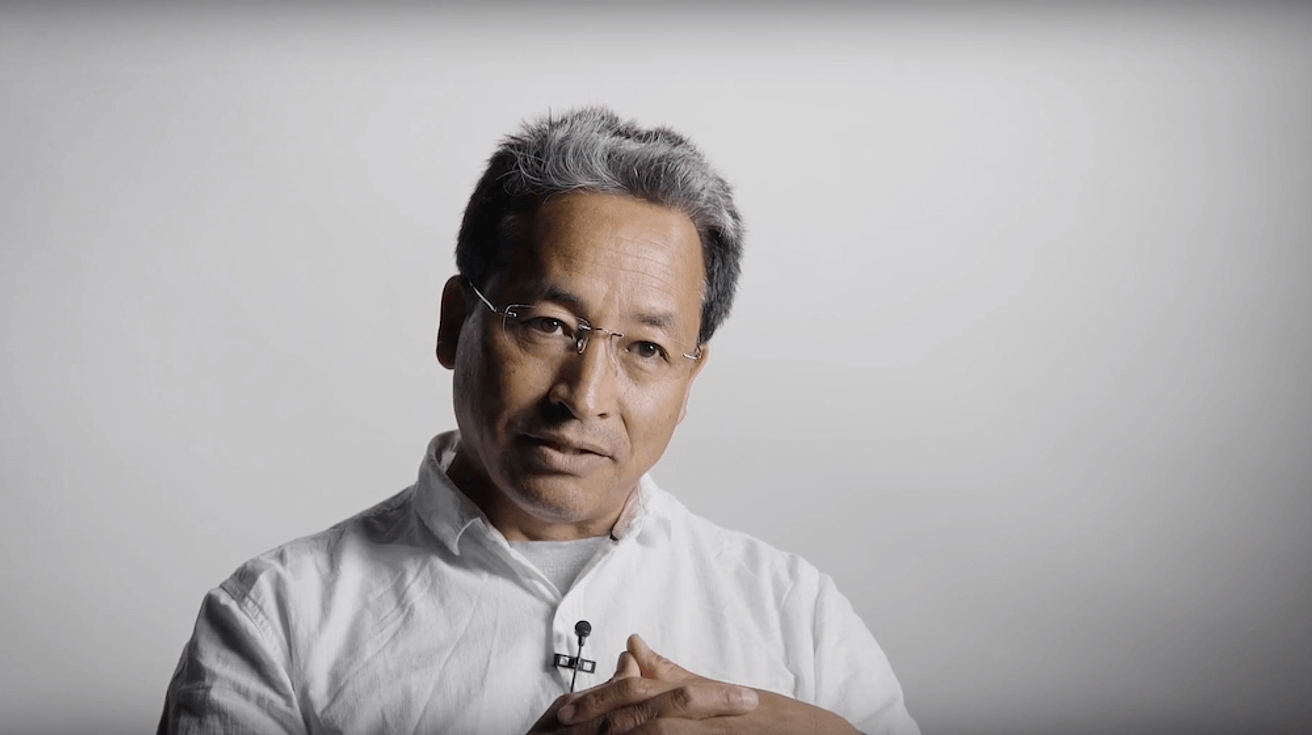
- The very basic tenet of any democratic form of government is to allow differing, dissenting, and diametrically opposite voices to speak up without fear of retribution, especially from the state law enforcement agencies/govt. The Indian Constitution confers on citizens the right to express themselves freely, with some restrictions, as can be expected. However, no act in the country’s governance completely prohibits dissenting voices from expressing opinions on matters, including the administration. Even though there are increasing instances of the governing administration across the country, the Centre included, acting on people voicing opposition to certain policies thrust on them, the Constitutional courts are always on the alert to step in when required.

PC: The Times of India
- That’s the beauty of the Indian Constitution and the government practices that are always premised on the fundamentals like by the people, for the people, and of the people. Despite these clearly demarcated guidelines available for the protection of people, the law enforcement agencies forcing some draconian laws to muzzle the voices of dissent is certainly uncalled for. The case in point is the incarceration of climate and statehood activist Sonam Wangchuk and the subsequent release, highlighting the key problem of the arbitrary use of harsh laws. As reported recently, the Union Government dropping the most serious allegation against Wangchuk raises even more questions for authorities, as his detention was six months ago.
PC: Sabrang India
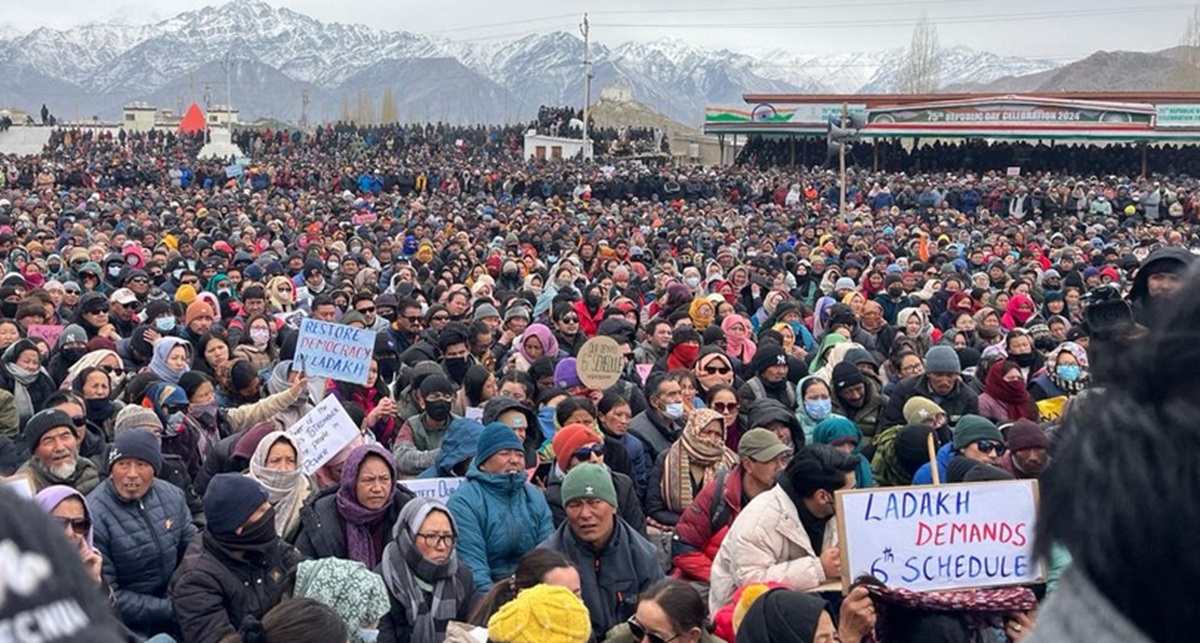
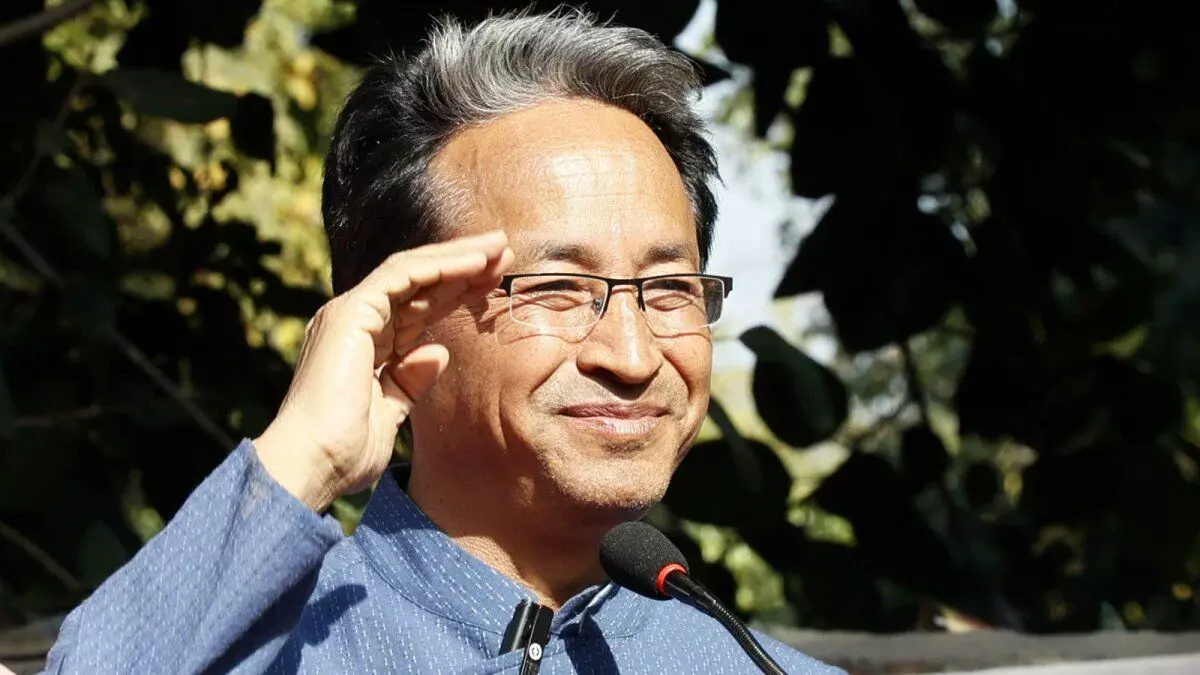
- Note that from the time he was picked up, last September, and lodged in Jodhpur jail, it was clear the draconian National Security Act had been invoked without much thought. Wangchuk was accused of inciting a Gen Z protest in Ladakh, supposedly along the lines of Bangladesh and Nepal, and even the Arab Spring was referenced. His actions were termed “prejudicial to the security of the state”. He was on his fifth protest fast – Delhi Chalo Padyatra – for statehood, and inclusion of Ladakh in the Sixth Schedule. Yet, instead of letting a peaceful protest carry on, authorities jailed him for six months – half the maximum period of detention without charges, allowed under the NSA. And linked him to the deaths of protesters, on September 24, in police action.
PC: The Assam Tribune
- Notably, Wangchuk’s release comes after the government concluded that Ladakh’s problems must be resolved through engagement and dialogue. Are we to conclude that fundamental freedoms are vulnerable to this extent to a govt’s shifting frameworks for governance? Surely not. Of course, it is welcome that the govt finally recognizes that crackdowns and heavy-handed responses foment trouble, while peaceful protests form the beating heart of a healthy democracy. Dialogue is everything. But the real question remains: how fickle are fundamental freedoms? It is good that the government realized jailing Wangchuk hurt its own cause for peace in the new UT. Such knee-jerk reactive policing should be binned. Simple. Dialogue after detention is an admission of excess. The laws like the NSA must be used judiciously and sparingly.