

- Humankind is considered at the top of the living beings’ hierarchy simply because of our capacity to think, imagine, and comprehend complexities with ease, as well as finesse, without ever worrying about the subsequent consequences. Little wonder, human ingenuity and ingeniousness over the millennia firmly established the credentials of riding roughshod over other species with great impunity and remorse. Come to think of it, Mother Nature has bestowed upon us suchbiased blessings in a bountiful manner to enjoy the fruits of this beautiful planet. Unfortunately, we are loath to share the resources alongside other species in a congenial and harmonious manner. Ever wondered why we treat other species with such disdain and contempt? Let’s delve.

PC: Save The Snakes
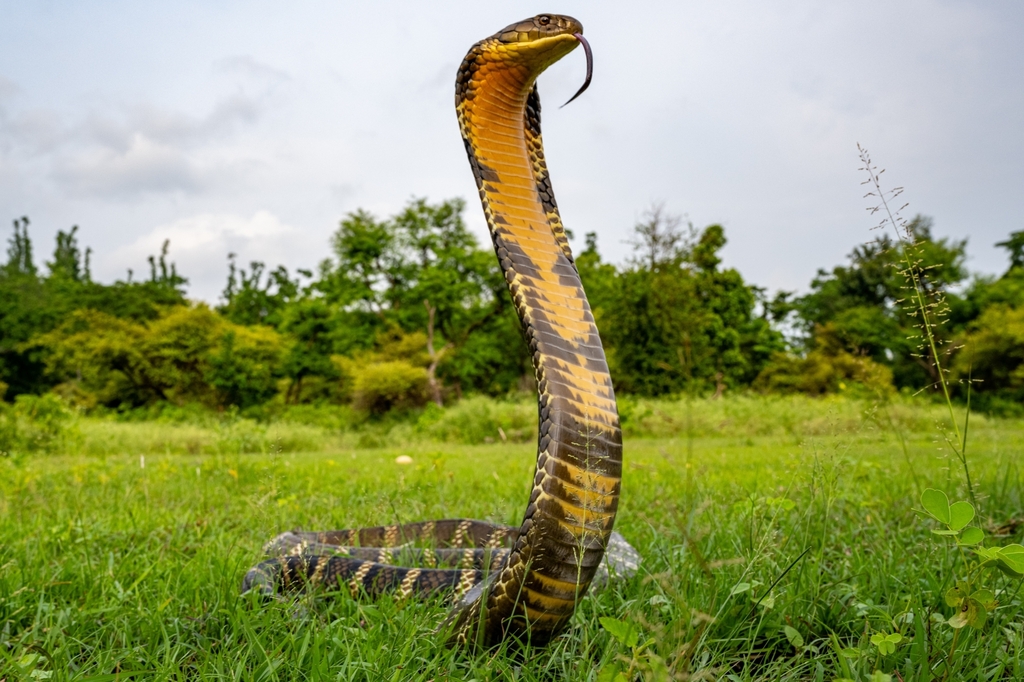
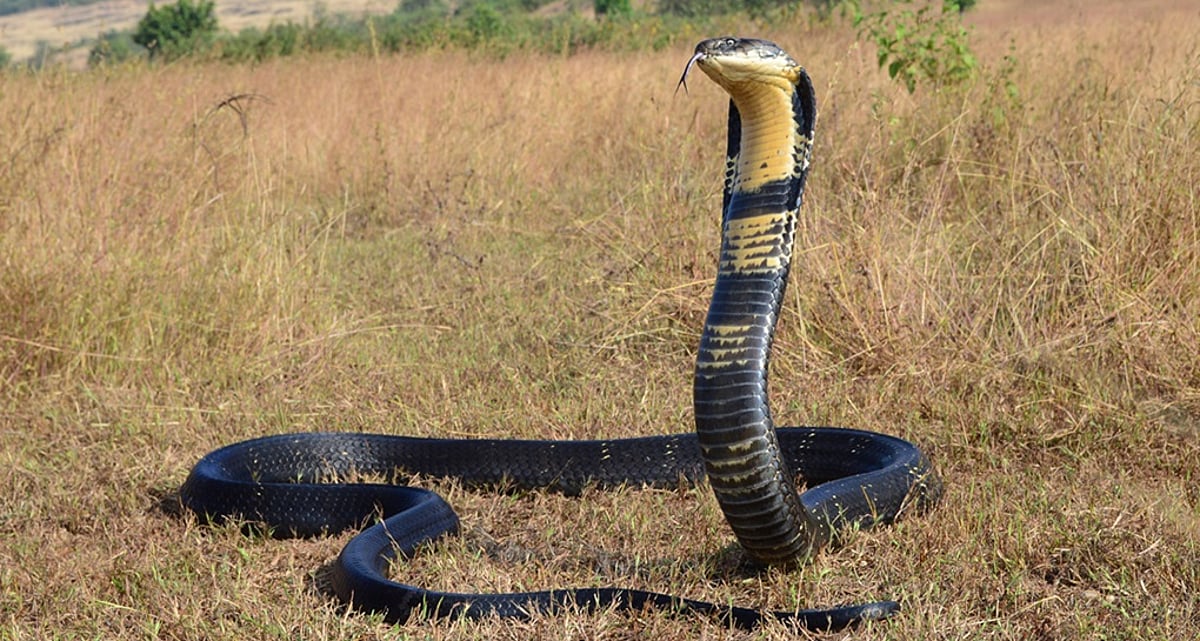
- Of course, we are extremely fond of making bombastic statements and grandiose announcements about our concerns for the fragile ecological balance by maintaining healthy living standards amid various species dotting Mother Earth. However, increasing greed, one-upmanship, irresponsibility, and insensitivities have bogged humankind down. The increasing human-animal conflict on the back of unbridled developments has also rendered other species’ survival challenging. While deaths from human-animal conflict are on the rise, an interesting article about how king cobras are forced to move from their ecological niche habitats into concrete jungles in search of what else but life-sustaining means/measures should make us reflect on our actions. Mind you, most snakes hiss, but the king cobra growls.
PC: Down To Earth
- For the uninitiated, its hood anatomy is dramatic and imposing for being able to lift one-third of its body (running up to 18 feet) into the air. And yet, as far as humans are concerned, it’s a shy creature. From the growl to the stand-up, all it’s trying to communicate to us is – leave me alone. We are not their food, we are scary, and they have no interest in us. All its physical characteristics reflect a deep history of adaptation to a specific ecological niche – South and Southeast Asia’s wetlands and forests, where it can spend a quarter of its time up a tree. Sadly, when we are not encroaching on its habitat, are displacing it by other means. Goa’s snake rescue records from 2002-24 highlight the proximity of railway tracks or stations. A completely unsuitable location, indeed.

PC: Free Press Journal
- How? We like throwing food here, which attracts the rats, which attracts the rat snakes, which are king cobras’ staple diet. The study authors place their results firmly within the literature of human-mediated wildlife dispersal. Modern transport has indeed increased the incidence of various animal species being transported, against their wishes, far from their homes. Often by smugglers. India celebrates Naag Panchami, worshipping snakes, offering them milk, and seeking their blessings. This feeling runs through Hindu, Buddhist, and Jain traditions in many other ways, too. The iconography of Shiv and Buddha is intimately intertwined with king cobras. In all these senses, it is considered sacred. But worshipping king cobras doesn’t stop us from making them miserable. Can we not be more considerate and accommodating towards our fellow beings? Yes, we can.