

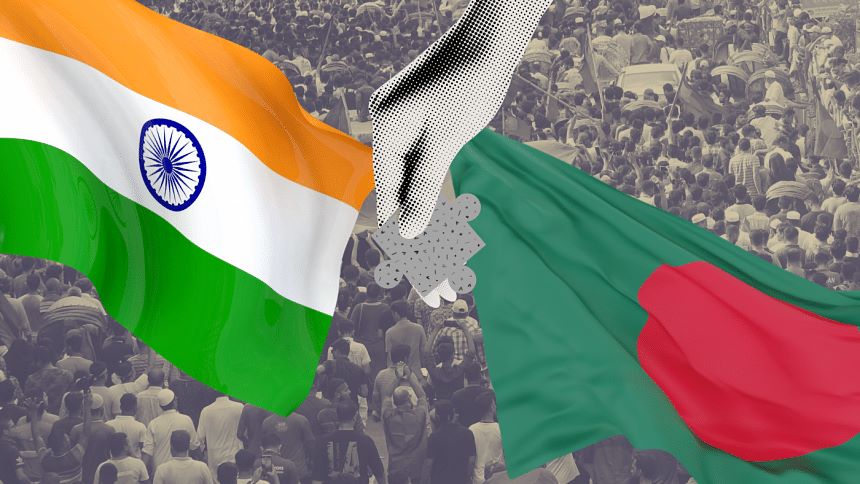
- Over the last few months, the relationship between the two neighbors, India and Bangladesh, has nosedived to such an extent that it would take great efforts to rebuild the increasingly widening trust factor through diplomatic maneuvers and other globally accepted measures consistently. The global community is aware of how the situation panned out in Bangladesh when the restless youngsters took to the streets to topple the Sheikh Hasina government in 2024, leading to an interim government coming into force till the recently concluded elections/referendum decisively elected the Bangladesh Nationalist Party to power. In between all this, the assiduously built bilateral relationship between the neighbors nose-dived to considerable depths.
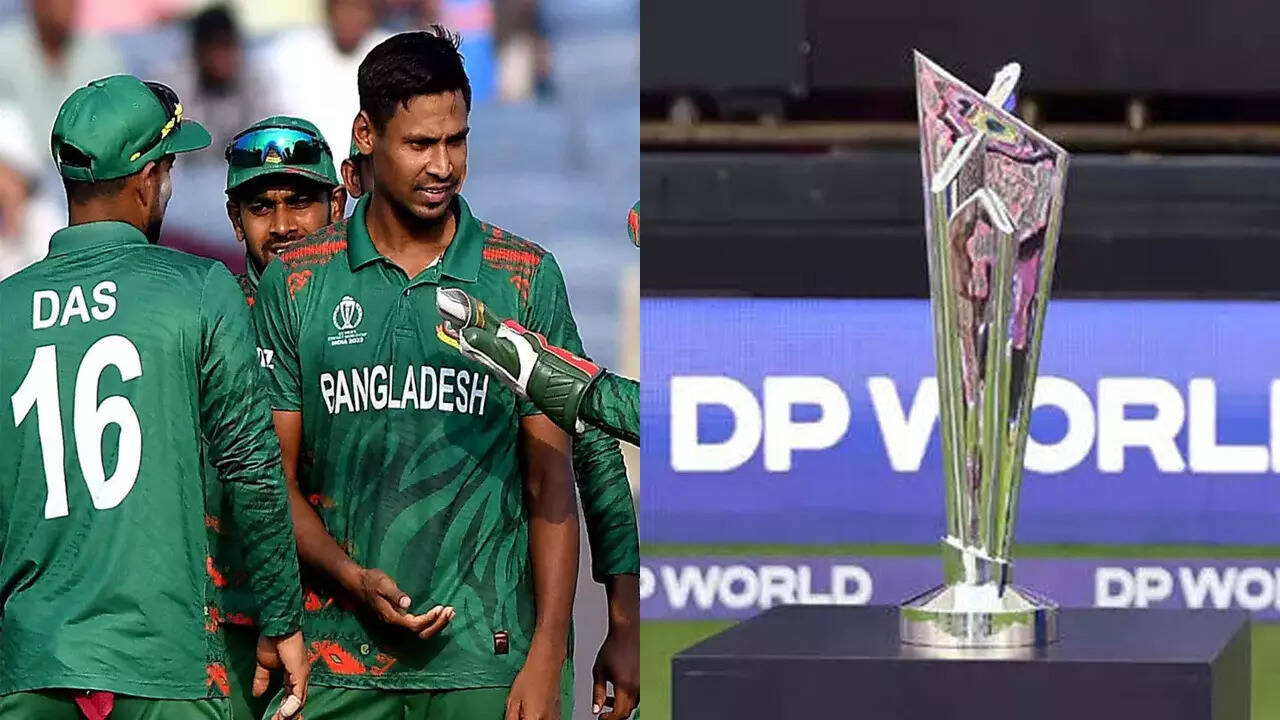
PC: The Times of India
- The fallout of Bangladesh opting out of the ongoing T20 ICC-sponsored cricket World Cup did little to smooth the apparent rough edges. And we know how the Pakistani establishment is reaching out to the radical elements and amiable Bangladeshi leadership to consolidate the anti-India narrative. With the Tarique Rehman-led Bangladesh Nationalist Party (BNP) winning the elections overwhelmingly, the Indian think tank must be heaving a sigh of relief, though it’s too early to assess how the new regime would go about bridging the considerably damaged relationship. The moot point to ponder over here is whether Tarique Rehman will partner with India, keeping in mind Bangladesh’s interests. The answer will be known in a few weeks from now.

PC: Moneycontrol
- Of course, a decisive mandate for BNP offers India the comfort of dealing with a familiar political formation. But familiarity is not reassurance – and that is where the comfort ends. The immediate question is whether Tarique, the presumptive prime minister, will recast BNP’s approach or revert to the tenor of 2001-2006, when India-Bangladesh ties sank to one of their lowest points. Here, the Jamaat factor adds uncertainty. A future alignment between the two parties cannot be ruled out; their grassroots networks, including student wings, have long worked in tandem. Such a partnership would severely complicate New Delhi’s calculations. India’s interests in Bangladesh are clear and interlinked: transit, stability in the Northeast, and security cooperation.
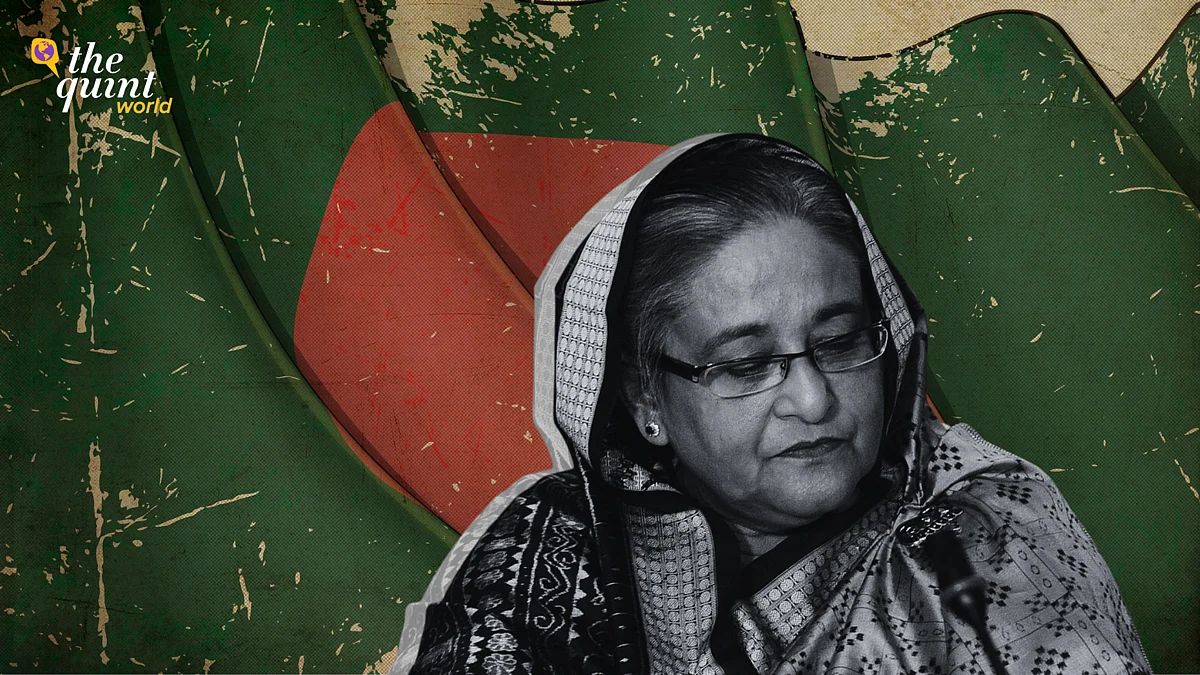
PC: The Quint
- The erstwhile Sheikh Hasina regime delivered on all three – granting transit access to the Northeast, acting against insurgent groups on Bangladeshi soil, and limiting Pakistan’s strategic space. If Tarique proves similarly attentive to these sensitivities, there is no structural reason bilateral relations cannot remain constructive. Economics offers another anchor. BNP has traditionally drawn support from business constituencies. Yet bilateral trade has suffered over the past 18 months amid political friction – a lose-lose outcome. Bangladesh needs India for connectivity and regional market access; India needs Bangladesh to advance its Act East Policy. Hopefully, both sides will work together to bring the relationship back on track.