

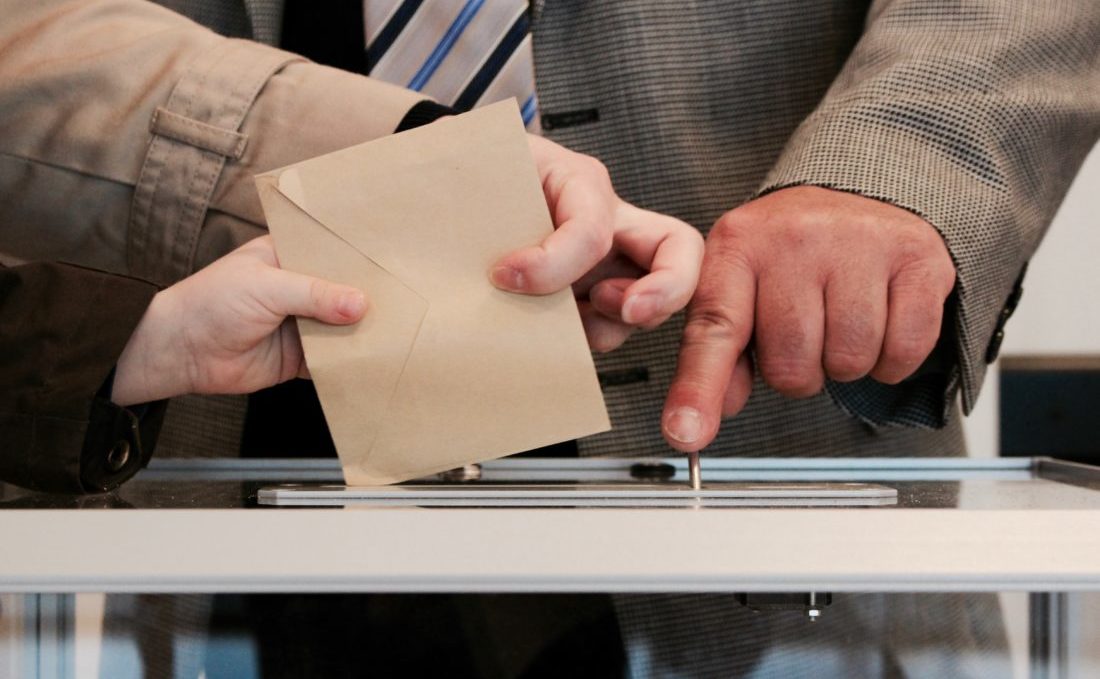
- Undeniably, obtaining the majority viewpoint is an accepted part of the democratic process that would allow the real stakeholders, the people, to decide any policy move that would directly impact them. Thus, as part of the process to elicit the majority opinion, the government authorities adopt time-tested methodologies like convening a referendum, offering the citizens an opportunity before formulating a policy decision subsequently. The moot point to ponder over here is whether introducing a referendum for every decision, especially those related to altering the constitutional provision, may prove to be tricky. As such, policymakers should rethink/evaluate the potential consequences before initiating the referendum move in the first place.
PC: Khyber News
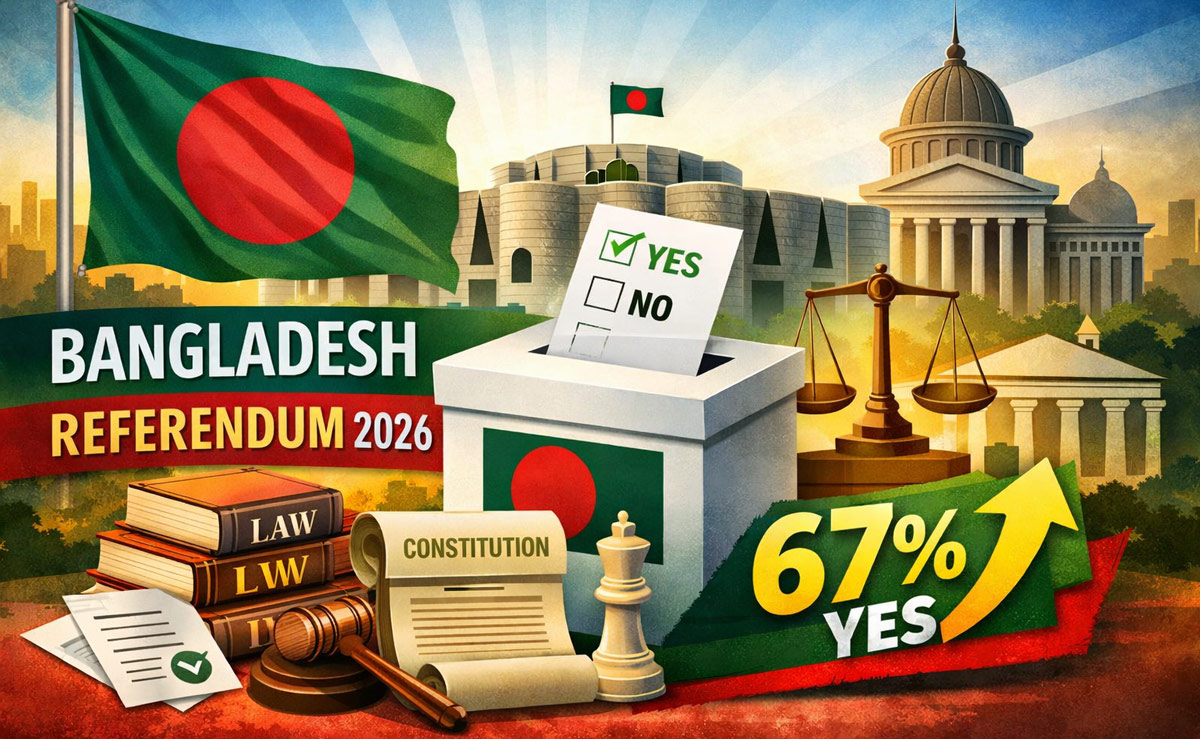
- As we know, our neighbouring country, Bangladesh, had polls recently that included a referendum as well. People of Bangladesh cast two votes. One to elect their parliament, the other to agree or disagree with a long list of reforms in a referendum. That’s odd because a referendum usually seeks a yes/no response to one important question. A laundry list referendum – say, 70% income tax, five-day week, free grain – is either deception or a farce. But it saves the present administration from holding multiple referendums – or is it referenda? Even British MPs, with all their referendum practice, couldn’t make up their mind on that during a discussion in 1998. More than the Brits, the Swiss are masters of the referendum. They held 148 between 1981 and 1999.
PC: ElectionBuddy
- Back home, India hasn’t held one since 1975, Pakistan’s last was in 2002. Does that make Swiss democracy more perfect than ours? In principle, perhaps. But in practice, we must judge by outcomes. Poor, mostly unlettered, and newly independent India gave every man and woman the right to vote in 1950. In Switzerland, men rejected voting rights for women in a 1959 referendum. It took another referendum, 12 years later, to right that wrong. So, yes, referendums are closest to democracy’s roots, but representative democracy guided by experts has clear advantages. Most contemporary issues – should India have more nuclear power plants, and should those be fuelledwith thorium? – are too complex for the electorate. This is understandable and common sense.
PC: Right2Vote
- Govts can try to inform people about policy pros and cons, but such five-minute knowledge is no substitute for professional expertise. Also, referendums mostly happen when govt is afraid to take a stand. Recall Kerala’s 2016 offer to hold a referendum on women’s entry at Sabarimala. That same year, Britain voted 52% for and 48% against Brexit – clearly a bad move in hindsight. Notably, the bigger problem with referendums is that they skew strongly towards the majority view. So progressive measures – decriminalizing same-sex relationships, for instance – are bound to fail in popular vote. In Ireland, a 1983 referendum outlawed abortion, although only 54% of the public voted. Besides, voters can be swayed through campaigns, as happened before Brexit. In conclusion, referendums undoubtedly have their use, but they should be rare and specific.