

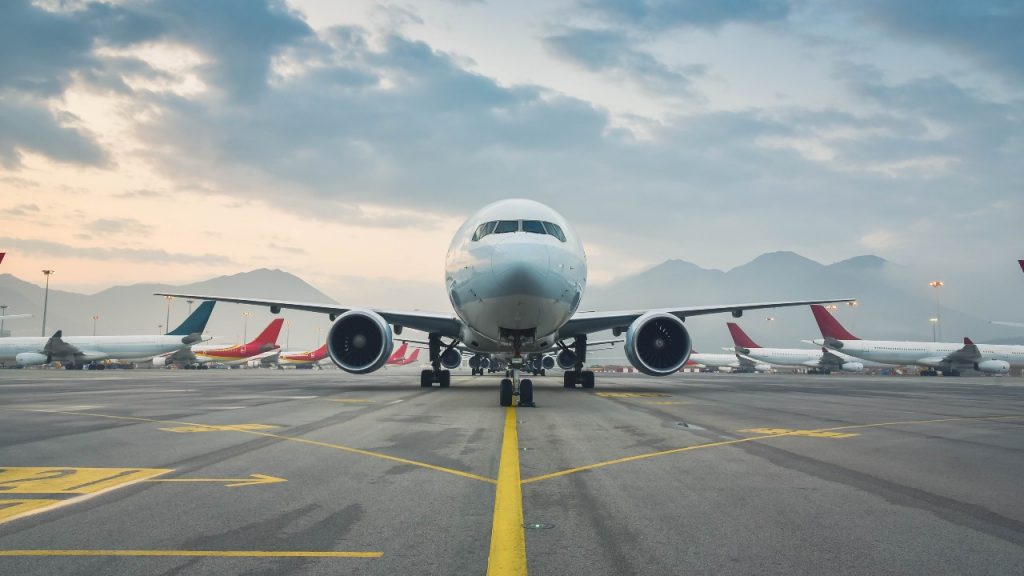
- As we are aware, one of the key economic indicators of how a country is progressing can be gauged by the health of the civil aviation, especially domestic air travellers, and how many operators are in the system to service the growing numbers. The present dispensation at the Centre wishes us to believe that the aspirational society is poised to be among the most advanced nations by 2047. We are happy too. However, the key point to consider here is whether the Union Government has ensured that the infrastructural requirements commensurate with the aspirations are made available to the common citizens. The answer must be an unequivocal no, as the domestic/international air travel fiasco unraveled in the recent past.

PC: Mint
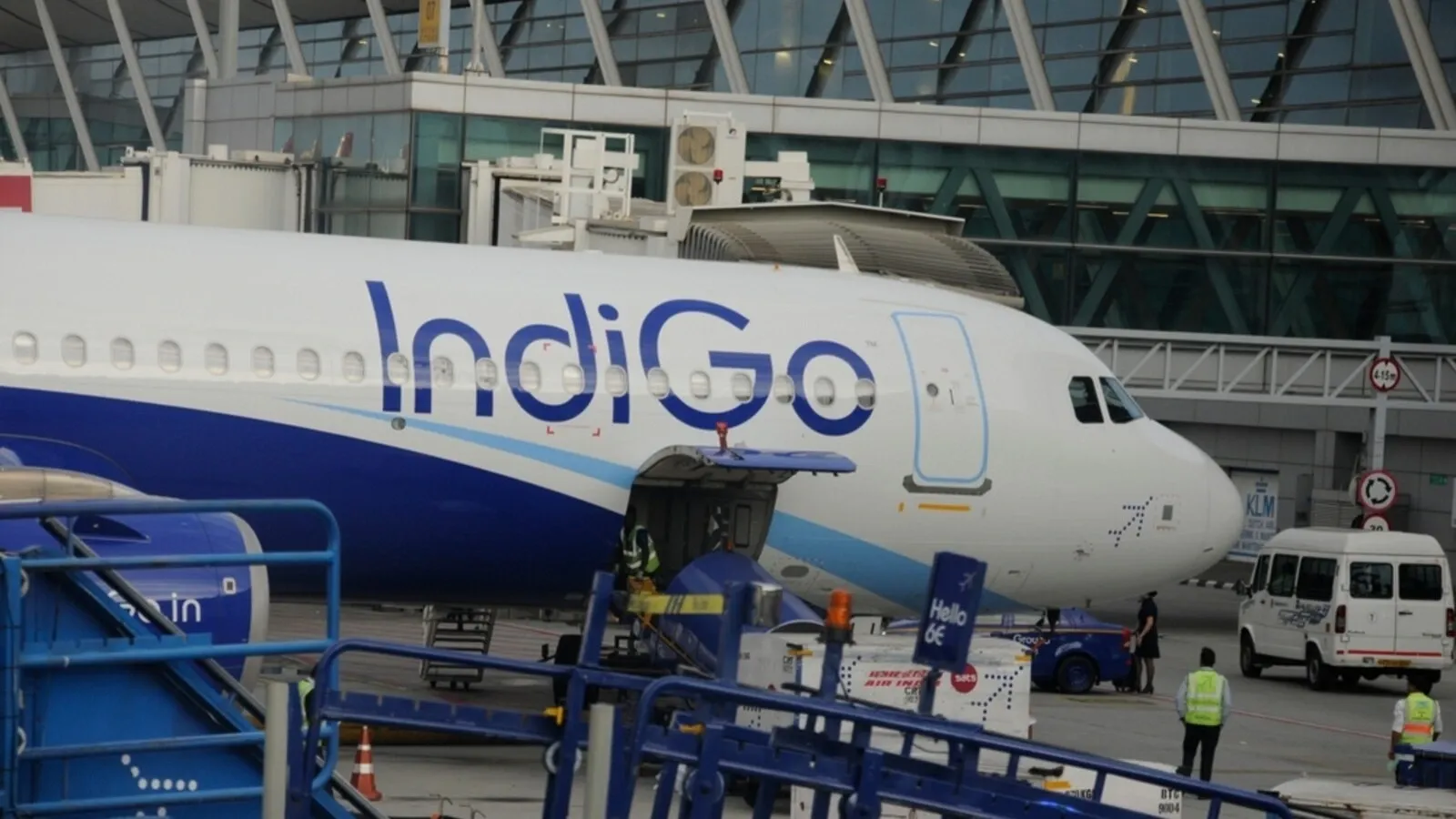
- The IndiGo fiasco left the whole country embarrassed when hundreds of scheduled flights were cancelled, and thousands of travellers were left stranded, leading to a complete breakdown/chaos at several airports across the country. Apart from the well-intended guidelines issued by the regulatory body, the duopoly enjoyed in air travel also contributed immensely to the prevalent chaotic situation across several airports. As reported in newspapers, now three companies have received a green signal to fly passenger planes. Of course, it’s great news, but it’s a long road to seeing those planes fly. Note that receiving NOCs is perhaps the easiest step in the highly complex people-heavy business. Thus, is it premature to feel elated by the recent outcome then?
PC: Upstox
- Mind you, cargo is much more stable, growing, and the segment that often rescues the sector. Getting planes off the tarmac is a challenge, and keeping them airborne is where at least 13 airline companies have crashed in India. These include the most successful ones, Jet Airways and Kingfisher, both brutal stories of businesses that went into a tailspin over a messy hash of financial stress, infra constraints, regulatory weaknesses, and abundant mismanagement. Further, there’s something curious about how passenger aviation in India remains stuck in the same morass for decades despite being the world’s third-largest aviation market in passenger traffic, 241 million flyers in 2024. That’s some numbers signifying the opportunities available in the sector.

PC: Planespotters.net
- Also, there’s enough analysis of the challenges – high operating costs, fuel & non-fuel, costs of repair and maintenance, shortage of pilots, not enough planes, ageing fleets, and leasing itself a tug-of-war. Foreign plane makers eye the expanding market but are wary of how quickly a robust operation can go turtle. Yet, while there are tomes on how any airline business sank, there’s nearly nothing on why any airline was allowed to reach that point. Aviation’s a mega contributor to the economy. So, every successful operation that’s allowed to fail hurts considerably. The duopoly of Tatas, ever since the Tatas bought Air India and IndiGo, should be countered by allowing newer players. And yes, the regulator should step in to address the inherent fundamental issues.