
- Ideally speaking, political parties,irrespective of party affiliations/philosophies/ideologies, would want us to believe that they do not meddle with the functioning of the law enforcement agency like the police, but extend every conceivable support in ensuring they carry out their responsibilities on expected lines. However, every citizen of the country needs no second invitation to not only call the bluff of the political leaders on the matter, but also share innumerable instances of how the powerful politicians simply exercise their superiority in flexing muscles to boss over the police. The political-police nexus has been deeply entrenched and is not lost on the discerning lot. So much so that we accept the same as a matter of routine now.
PC: The Times of India
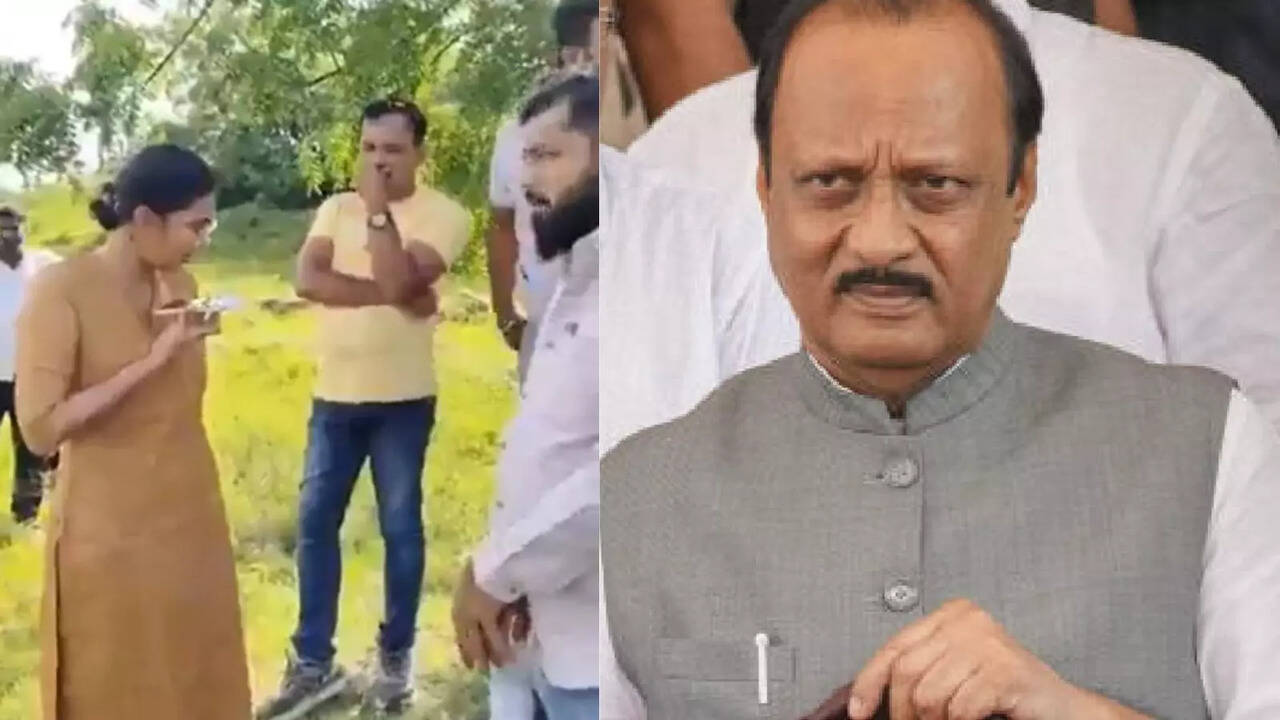
- Reams and reams have been written about this despicable nexus. Umpteen movies have been made depicting the unholy nexus to a great length. Concerned citizens representing various strata of society have raised their voices against the malaise. Unfortunately, the situation on the ground hasn’t undergone much alteration that shows us a semblance of police not being excessively subservient to their political masters. Plainly speaking, politicians will never give up interfering in police affairs. A recent incident in Maharashtra involving the Deputy CM rendering diktat to an IPS officer to stop work, reinforced with the threat of action, amply demonstrates how the interference continues unabated despite the leaders’ claim to the contrary.

PC: PC: The Indian Express
- As is his wont, the DCM has clarified that his diktat was not intended as interference. Seriously, who would believe him? Moving on from that clarification, leaders intimidating police is an all-party, all-states practice. As reported last month, an Andhra minister’s brother was in the news for slapping a cop who stopped him from entering a restricted area in a temple. In April, the Karnataka CM made a slap gesture at a police officer during a rally. Last year, a Congress legislator slapped a woman constable in Shimla but had the rare experience of being paid back in kind. The point is that police who work under the executive’s thumb, just as they did during the Raj, cannot do their democratic duty. Why don’t our political leaders let the police remain neutral?

PC: Hindustan Times
- For the uninitiated, the Kerala Police Reorganisation Committee stressed this in 1959 – the result of partisan interference is often reflected in lawless enforcement of laws, inferior service, and in general decline of police prestige. Internal analyses in Punjab, Tamil Nadu, Bengal, Delhi, etc, have come to the same conclusion over the years. Little wonder, people consider political interference with the police as a greater evil than corruption. Yet, political interference and intimidation of the police have continued unabated. That’s because police represent corporeal power – the real deal, without which even courts are powerless. The power to promote pliant officers and transfer or suspend defiant ones gives politicians the upper hand over the police. Reforms are the only way.