

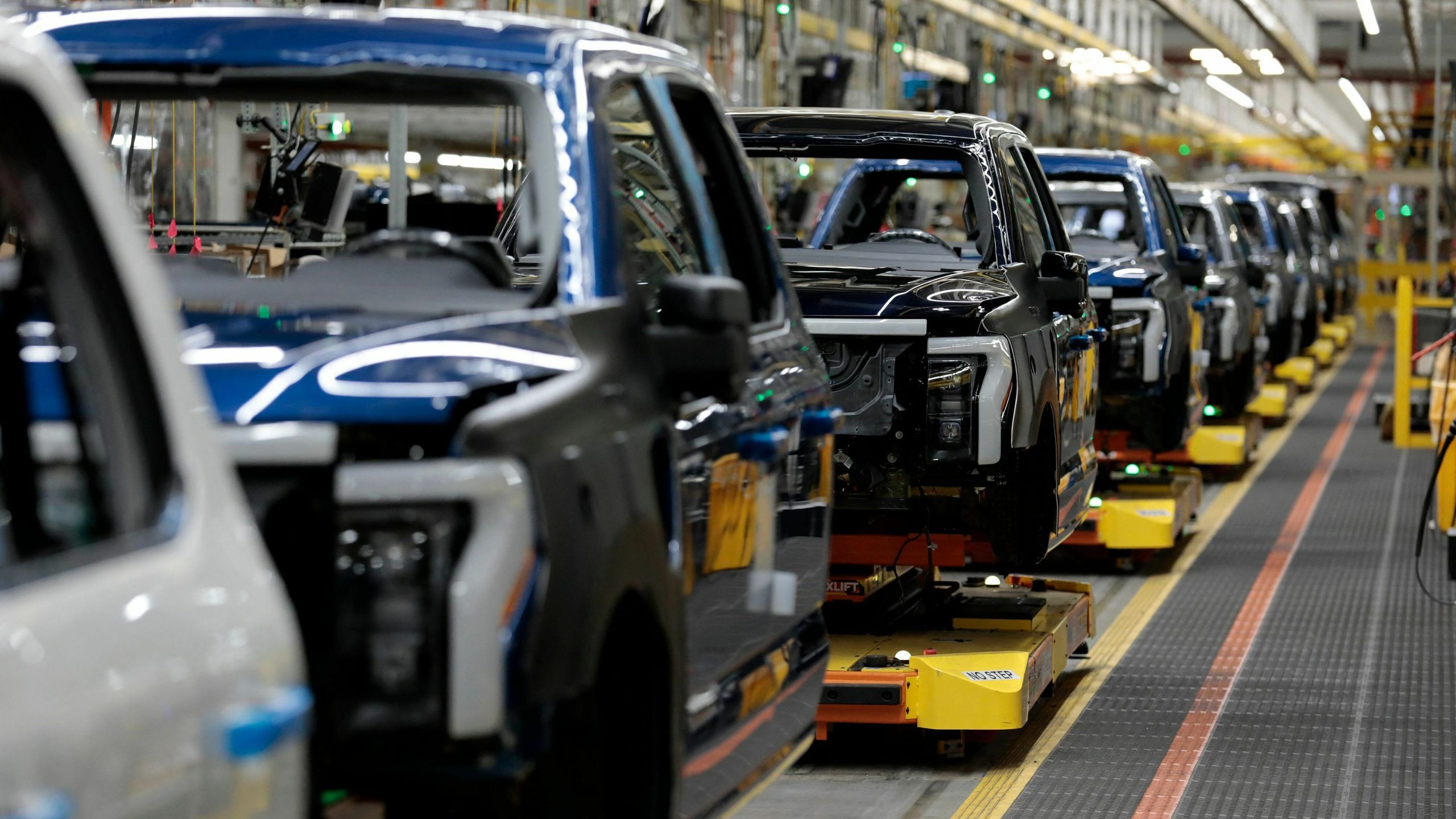
- One of the most defining inventions of this century vis-à-vis mobility of humankind and goods must be the thrust placed on electric vehicles to replace the increasingly concerning aftereffects of fossil fuel-driven transportation mediums. Of course, the global community is aware of the debilitating consequences of environmental degradation caused by the rampant exploitation of greenhouse gases, leading to extremely unpredictable weather patterns. Without delving into the specifics of natural calamities striking humanity due to rampant environmental degradation, it is sufficient to mention that global leadership has shown urgency in R&D for alternative and clean energy requirements to support our envisioned growth.
PC: BBC
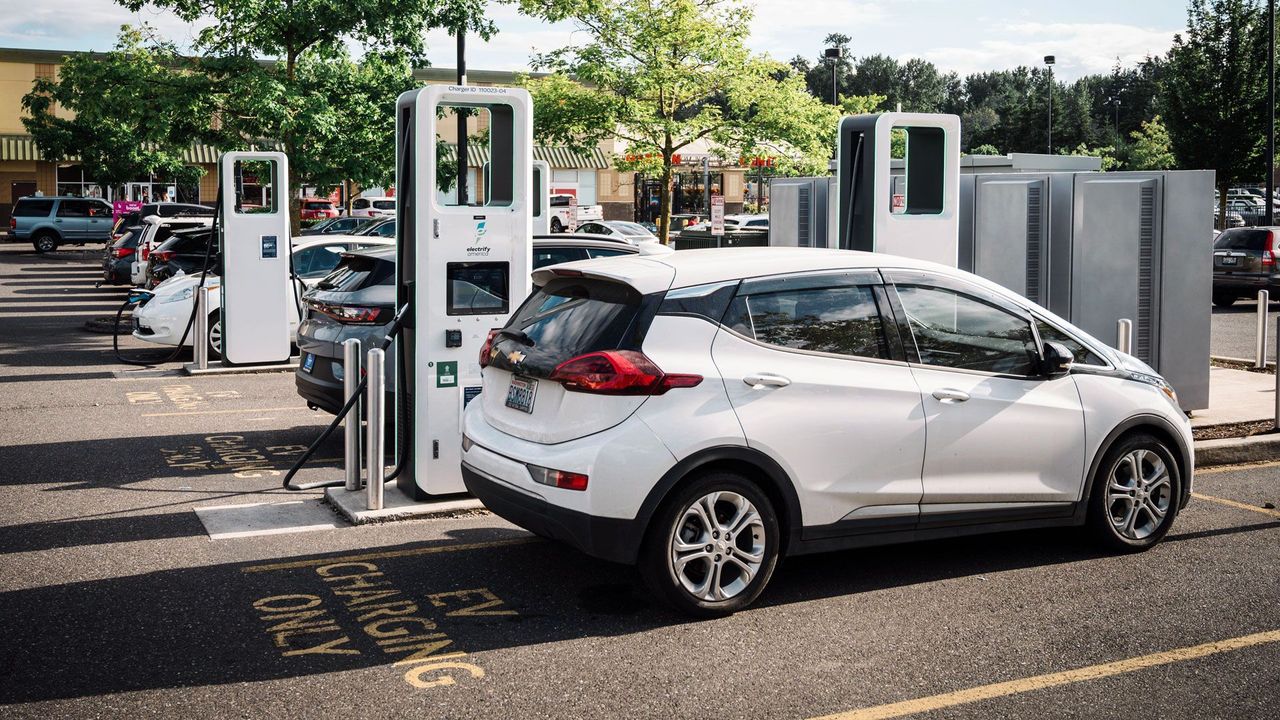
- Thus, electric battery-driven mobility came as a breath of fresh air, as also efforts to produce alternative energy gained further thrust. The moot point to ponder over here is why EVs and their manufacturers are still looking for incentives and discounts when the need of the hour is to ensure easy availability and deep penetration. Have we been successful in ensuring the same? Let’s dwelve further to understand the matter from the right perspective. Why haven’t the EVs become ubiquitous despite the push from several quarters and the governments across the globe extending incentives of diverse nature? Is it viable at all for the governments to keep extending incentives? Grim results of EV makers raise a question about viability itself.

PC: Hagerty
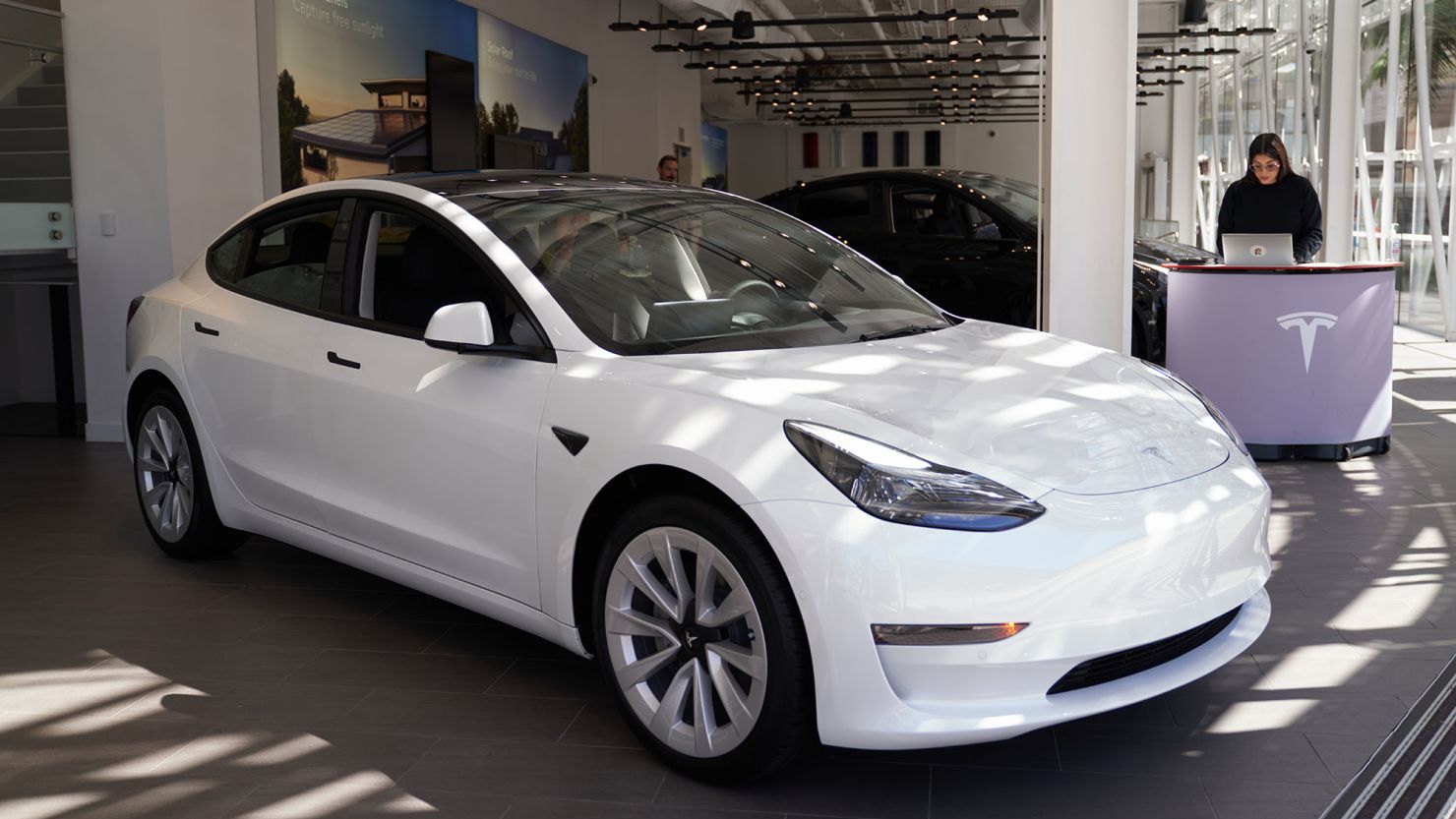
- Looking from diverse angles, the future of mobility is electric, and it should have been here by now, considering that Morris & Salom’s Electrobat cars were running on Philadelphia’s streets in 1894. Yes, you read it right. It was available back then. Further, in 1909, an electric car beat a gasoline car in Boston’s busy traffic by 15 minutes. But electric cars are still at the 25% sales mark globally, and like most averages, that figure is misleading. Why? When 70% of all electric cars are made in China, and 65% are sold there, the picture looks distinctly ICE-y – short for internal combustion engine – for the rest of the world. Then consider market leader Tesla’s woes. Its quarterly revenue has slumped. Half-yearly sales in Europe are down 33%.
PC: CNN
- More worryingly, it is the dying carbon credits market under Trump that is a grave concern. So far, Tesla has made billions selling these credits to makers of ICE cars. It earned $2.1bn from them in just the first nine months of 2024. Tesla must worry about the phase-out of the $7,500 tax credit for EV buyers in September. Carbon and tax credits are subsidies in the US and Europe, and the Chinese EV miracle was built on subsidies. If EVs have truly come of age, why do they need state support? It’s an important question deserving a thorough look. It’s time electric cars and their manufacturers learnt to stand on their own four wheels rather than look for continued incentives and support. The time for patronage is behind us.