
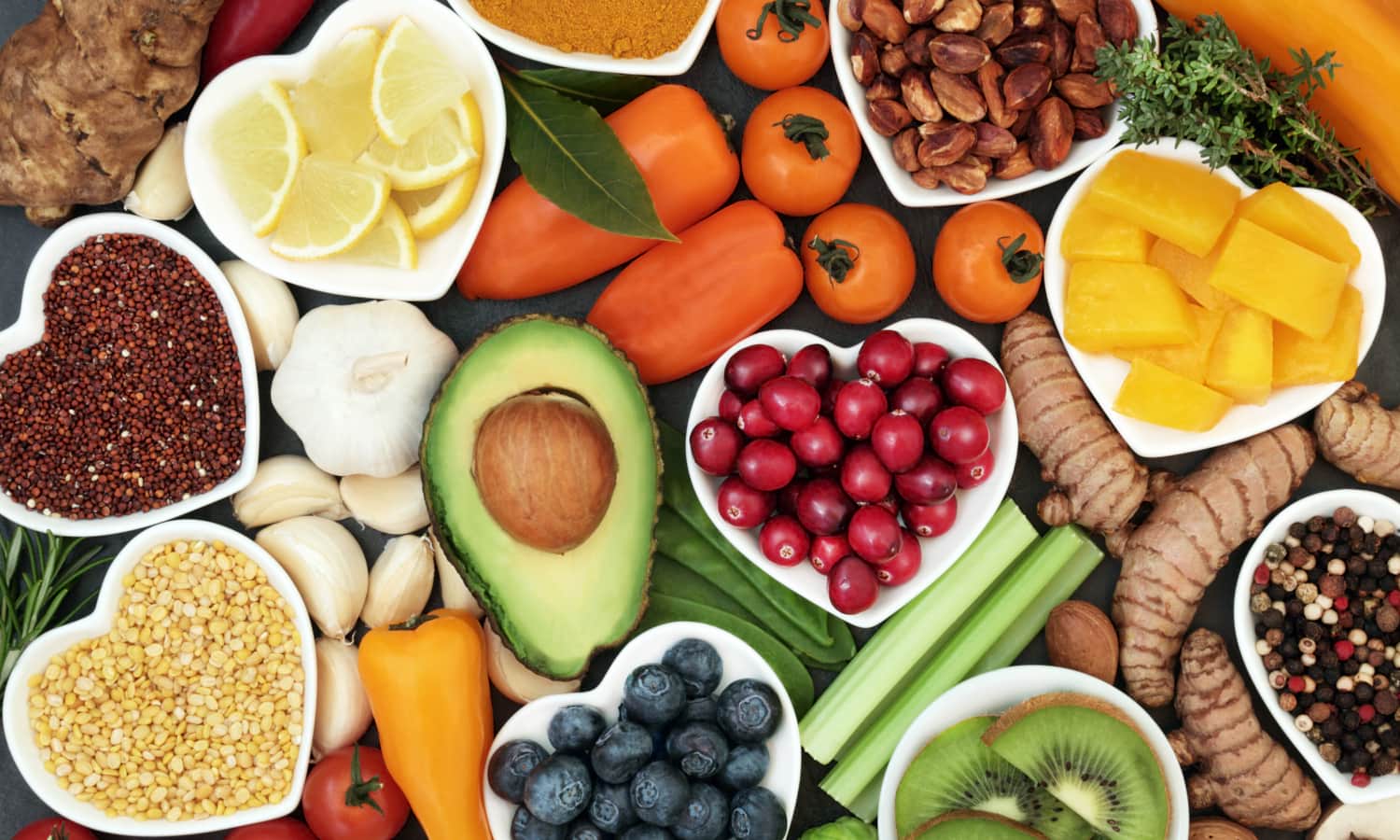
- Of late, every stakeholder associated with the healthcare sector is laying tremendous emphasis on a healthy lifestyle based on accepted dietary requirements. This is most appreciated by all concerned. Tremendous alterations to our lifestyle have had a profound impact on how we live in the present times. The modern world is fast-paced, amazingly dynamic, and spoiled for choice when it comes to food, with processed/packaged dietary options taking center stage so prominently. Notably, conventional food habits of yore have paved the way for innumerable fads that are leaving worryingly hazardous implications on the general health of people around the globe. Increasing reliance on fast foods and processed foods is proving to be counterproductive.
PC: National Council on Aging
- Looking at and following what our forefathers’ choice of food was, organically produced food at that, would not harm anything whatsoever. However, the modern-day world has traversed too far ahead, even though the majority would still prefer to fall back upon the tried and tested grandmother’s recipe for healthy living. Amid talks of healthy dietary necessities, a recent directive from the Union Government on local deep-fried snacks makes for an interesting read. And it misses the point. Common citizens need affordable and healthy options. The Union health ministry may want central government offices to put up oil and sugar boards as a reminder. For what? The adverse impact on health of consuming samosas and jalebi. Really?

PC: KRC TIMES
- Irony is that samosa/jalebi is part of what’s often quasi-officially celebrated as India’s contribution to the global list of munchies. Yes, pakodas, vada pav, laddoos, samosas, jalebis, and their ilk are unhealthy foods. But they’re free of preservatives and mostly cooked at the point of sale. There’s exhaustive evidence that consuming ultra-processed, packaged fried snacks high in fat and sugar is driving India’s obesity problem. Yet, we still do not have front-of-pack-label regulations for packaged foods. Also, availability and affordability factors deserve a close look. Per ministry directive, these boards/posters/cautionary signs must come up in all canteens/stalls on the premises of central govt institutions. Is it a knee-jerk reaction to an important issue?

PC: Medium
- To alter people’s consumption of trans-fat-rich foods, to change people’s snacking behaviours, the health ministry also needs to provide alternatives in these very places. The onus of eating healthy is not on people alone – what options, healthy and affordable, is the govt canteen serving? For instance, the 57 items Western Central Railway lists as available at its stalls. Snacks range from idli-vada-dosa to pakodas, samosa, cutlets, and aloo bonda. Prices start at Rs 10 and go up to Rs 25. The cheapest healthy snack is a boiled egg, Rs 9. Incidentally, jalebi is cheaper at Rs 6. For people on the go, grabbing a vada pav is a commute culture. Without providing options, cautionary signs may simply push consumers to packaged foods. And that can only worsen the obesity health crisis.