
- Trust our politicians to see opportunities where none exist to impress upon the assiduously built vote banks, even if it goes against the tenet of communal harmony being fostered in society for long. Did someone mention that politics is the art of the impossible? Indeed, it’s worth reiterating how our political leadership wishes to turn every adversity into an advantageous situation. As it is, the Indian society is polarized between communal versus secular narration in the last few decades. So much so that the labyrinthine caste equations are always embraced to further polarize society on communal lines. It’s another matter altogether that common citizens are the most affected by this unyielding narrative.

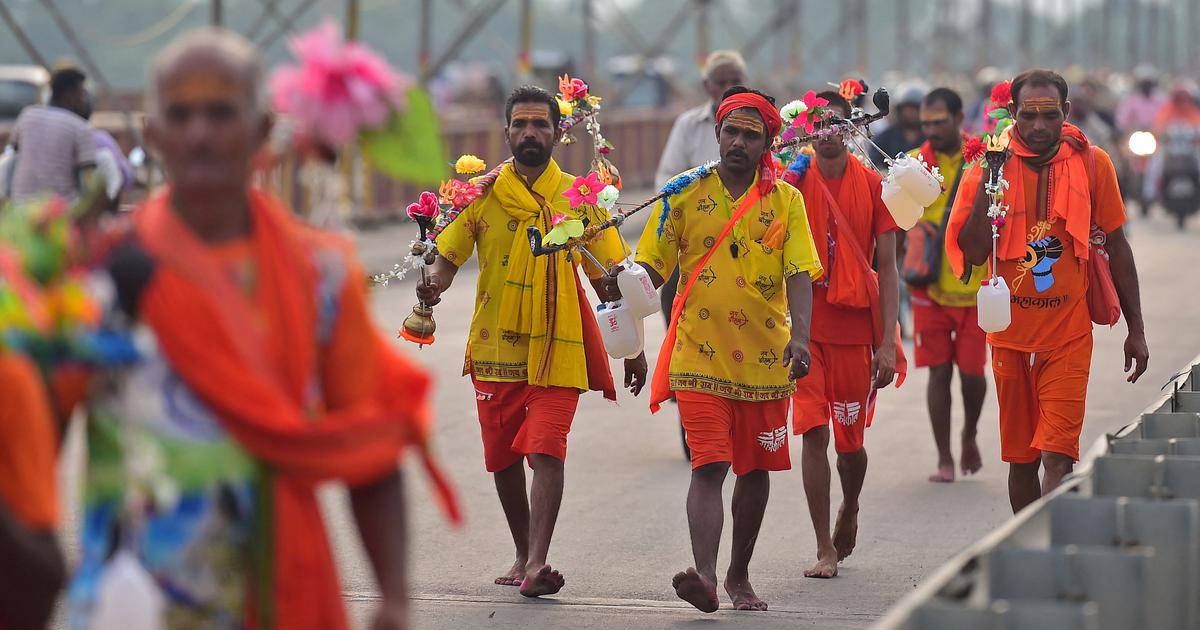
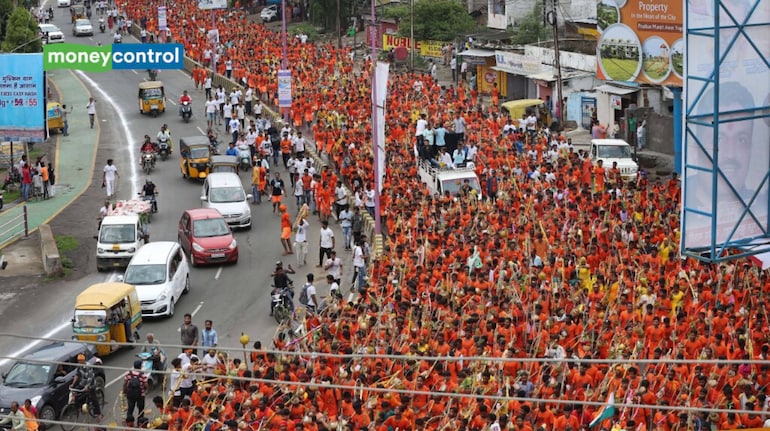
- As you are aware, the annual Kanwar yatra will be starting as you read this, and the communal satraps are already itching to whip up emotions for parochial considerations. One of the easy routes adopted by these leaders is to propose banning meat shops along the Kanwar yatra routes in Delhi, a multicultural city. How do sartorial and gastronomical preferences come in the way of the Kanwar yatra in the first place? As reported in newspapers, some Delhi government ministers seem keen that illegal meat shops be shut down along the Kanwar yatra routes in the city. The annual yatra will witness lakhs pass through Delhi. Pedestrian yatra routes have been mapped that cover most of the capital.
PC: Moneycontrol
- Come to think of it, and logically speaking, if the order is implemented, it could impact a large number of meat-selling establishments. On the curious point made by the Delhi culture and tourism minister that most of these establishments are illegal, the question is, if so, why were they allowed to operate till now, and will they reopen after the yatra ends? All of this smells like the controversial UP and Uttarakhand order last year about displaying the names of owners of eateries along the Kanwar routes. That order had been stayed by the Supreme Court. The issue with closing meat shops is that while the government can certainly make arrangements for pilgrims, it goes against the precept of the state. What is it, though?
PC: News Arena
- The state must remain neutral when it comes to choices, including dietary and sartorial choices, of citizens. Food is a deeply personal matter in a diverse country like ours. Religious rituals of one community cannot supersede the rights of other communities. Moreover, no community is a monolith, and different community members have diverse relationships with faith. Preferences of some devouts cannot be the operative factor in policymaking in a multifaith, secular democracy. Yes, both Tirumala in Andhra and Pushkar in Rajasthan strictly ban non-veg food. Alcohol also gets the boot in many places deemed as religious centres. And Delhi is not a religious centre. Delhi ministers should note this.