

- As the popular notion goes, there are no permanent enemies in the world. In fact, my enemy’s enemy becomes friends, you see. This axiom applies at all levels, micro and macro, between individuals, groups, societies, and countries as well. Of course, the political discourse around the world is largely premised on these lines leading to a shift in alliances. Call it marriage of convenience, or geopolitical necessities of the modern world, the alterations are bound to occur in line with the requirements of a nation’s stability. The global community is aware of how India is perennially subjected to cross-border terrorism perpetrated by Pakistan since independence. Operation Sindoor has put paid to rest how India will treat any further terrorist activities.

PC: Business Today
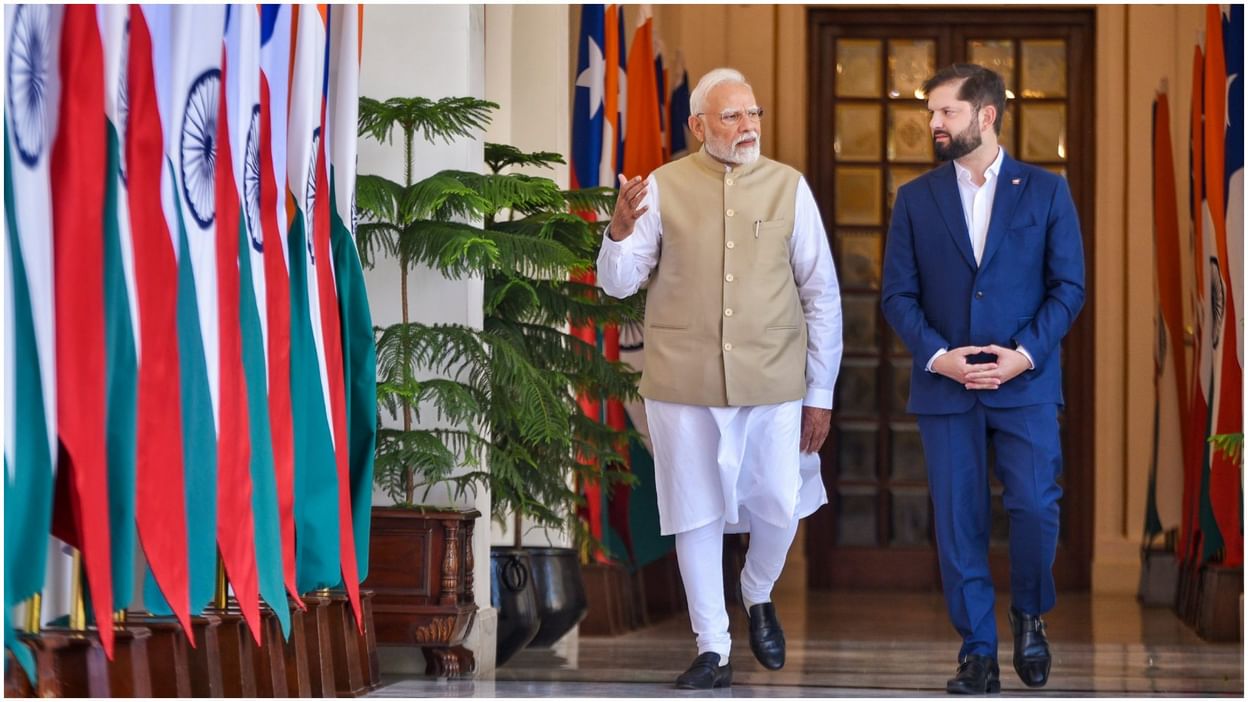
- Diplomacy is always considered the art of the impossible without ever making the opposite party feel short shrifted. It goes another way too in the fast-evolving geopolitical scenario of late. Thus, most countries prefer keeping options open rather than locking in ties. Potentially, such a move could avert WWIII as things stands panning out in the troubled Middle East and West Asia. As such, PM Modi’s visit to Cyprus – the first by an India PM in 23 years – is being read as a deft signal to Türkiye following the latter’s support to Pakistan during Operation Sindoor. New Dehi was clearly not happy with Ankara taking Islamabad’s side. Cyprus, which has a history with Türkiye given the latter’s invasion of the country in 1974 and effective partitioning of northers Cyprus, supports us.
PC: Amu TV
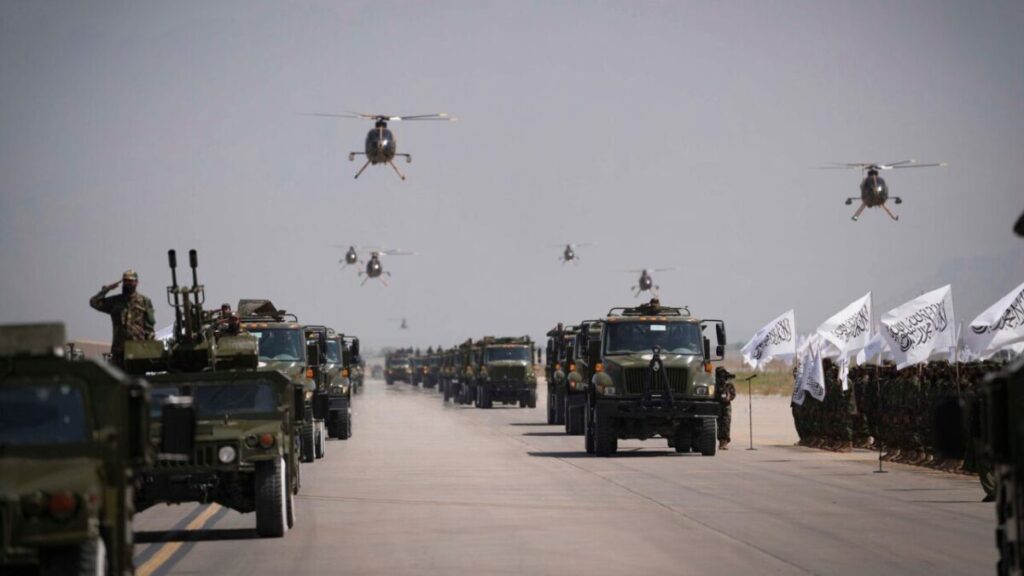
- Except that ties between India and Türkiye aren’t totally belligerent, and routine relations continue on several fronts. In a similar vein, in the latest round of Iran-Israel conflict several countries, including India, aren’t taking a clear side. They would ideally like to preserve ties with both parties. The same can be said of the Ukraine-Russia war with many countries looking to have balanced relations with both Kyiv and Moscow and after the hostilities end. The 21st century foreign policy dictum is more closely aligned with the saying there are no permanent friends and enemies in geopolitics. Be it US’s approach to Afghanistan after the return of Taliban, Vietnam war, improving ties between South Korea & Japan, interconnected world wishes to overcome differences. Period.
PC: Amar Ujala
- The boundaryless and seamless connection between the countries is a reality where every nation looks forward to opportunities to further their own cause. The moot point to ponder over here is does this approach make the world safer. Well, going by the number of conflicts currently raging or threatening to break out (from Ukraine to Taiwan) it may appear not. However, giving primacy to geopolitical flexibility puts a check on Cold War-type block scenarios from taking hold and furthers the case of multipolarity. That in turn could at least help stave off World War III, if not prevent regional conflicts. Hence, India’s multialignment strategy appears to be surfing the right wave. Right from Russia-Ukraine to Israel-Hamas, and now Israel-Iran, respectively.