


- The Indian democratic form of governance has not only stood the test of time, but also has set a benchmark around the world for inclusivity, tolerance, dissident voices, and accommodating differing viewpoints in line with the country’s diversity. Of course, the Indian Constitution unequivocally upholds the tenet of neutrality, equality, and offering a level playing field irrespective of caste, creed, and class. Mind you, India is an extremely vibrant, diverse, and blessed with such contradictions vis-à-vis language, culture, tradition, ethnicity, practices, and belief systems that it must be an extraordinarily unbelievable achievement how we stay together overcoming differences. And the two Houses of Parliament, through elected representatives, guide the country forward in more than one way. So far so good.

PC: Hindustan Herald
- The political landscape of the country, unsurprisingly, represents the microcosm of how the people choose representatives to not only put forth their aspirations but also provide a roadmap as to how the future pans out. Our leaders are expected to join hands in a show of united strength to push for the country’s growth prospects, setting aside parochial considerations. Easier said than done, though, but not well nigh impossible by any stretch of imagination. However, one of the most visible banes of the country’s political landscape is the perennial communal versus secular narrative that has only further exacerbated the already divisive politics into a total polarization. The immediate fallout is a considerable lack of coherence between the opposing political parties.

PC: Mid-Day
- This gets magnified more prominently during the proceedings of the two Houses of Parliament, viz. the Lok Sabha and the Rajya Sabha. The treasury and the opposition benches have largely consigned themselves to opposing anything, and everything is stating the obvious. Even during national security emergencies like the terrorist attacks and the subsequent Indian armed forces’ responses, the narration emanating from the opposition benches has been quite negative. The Parliamentary sessions have largely become chaotic, with repeated disturbances being the norm rather than the exception. The frequent adjournments during the session are so common of late that it doesn’t surprise anyone. People’s tax money is literally going down the drain.
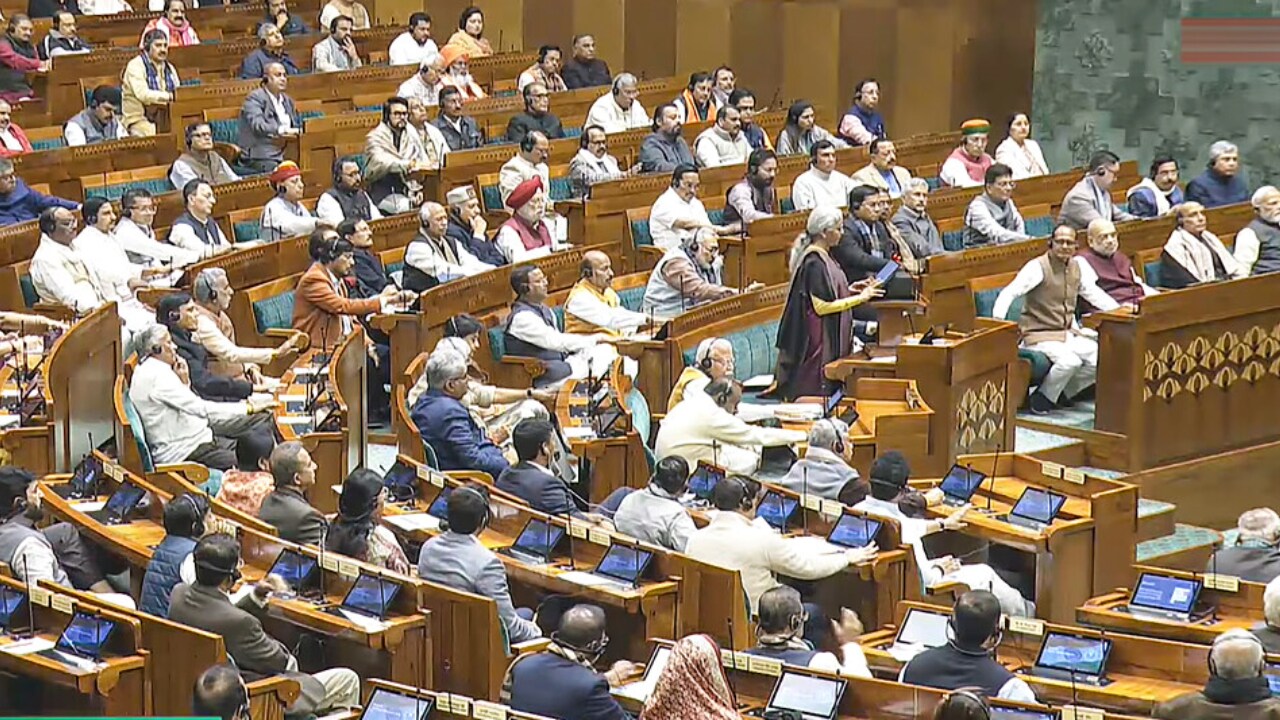
PC: Moneycontrol.com
- The ongoing monsoon session of Parliament is no different. Coming close on the heels of the NEET-UG fiasco leading to student agitation, the Ram Mandir devotees’ monetary contribution theft, the subsequent lathicharge of the police during the CJP agitation, and the opposition’s relentless demand for the government to own up to the mess has stalled the proceedings from functioning smoothly. The ordinary and common people of the country are watching with increasing trepidation the political trajectory amid widespread disenchantment among youths, the unemployed, and an unconducive geopolitical/geostrategic situation around the world leading to even more hardships. Our political parties must participate rather than obstruct the process.



