


- Cricket as a game has evolved tremendously over the last few decades is obvious and hence needs no further elaboration. Of course, right from thoroughbred connoisseurs to renowned ex-players to seasoned experts to diehard crazy fans, the traditional format of the game continues to be the benchmark in assessing the skill sets of players. Yes, the long, drawn-out five-day affair usually associated with red-ball cricket used to appear like a meandering contest not so long ago. However, the thrills, excitement, intrigue, and keen contest between the quality teams offer such a pleasure over five days that none of the entertainment-driven white-ball cricket, having gained immeasurable popularity over the last few years, would even compare.
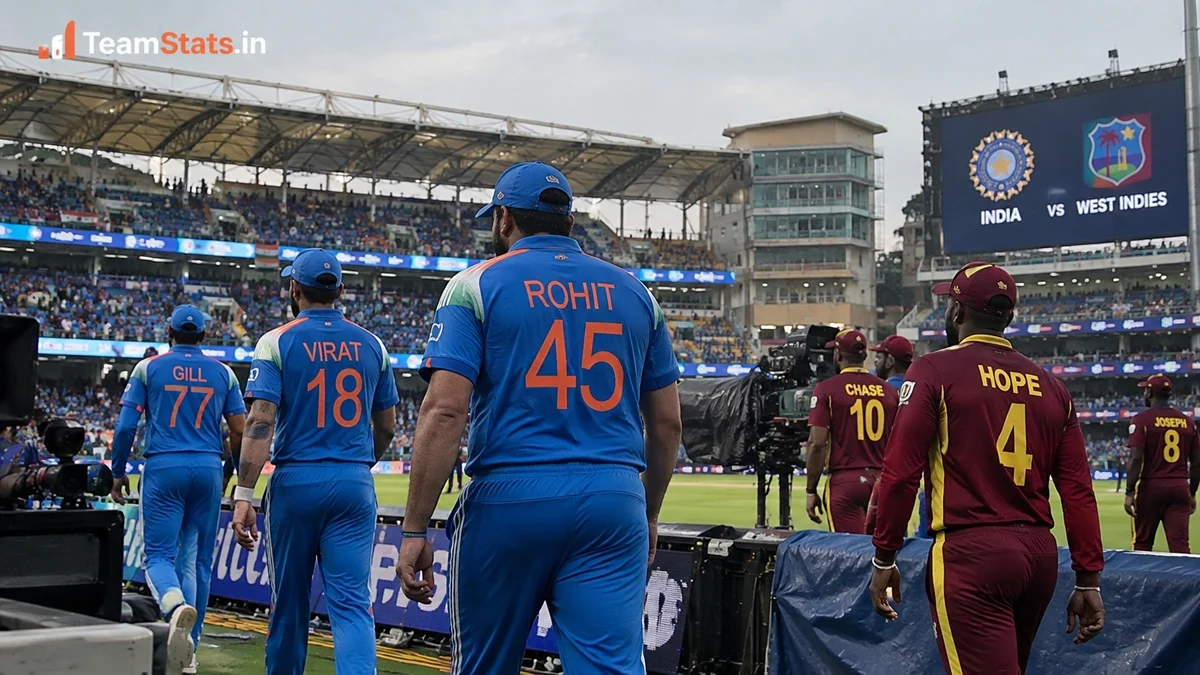
PC: TeamStats.in
- Ask any purists, traditionalists, and most importantly, cricketers; they all vouch in unison that red-ball cricket is not only incomparable but also more exciting than any other curtailed format, with the keen contest between the bat and the ball providing wholesome entertainment every single session. One of the major plusses of the advent of white-ball cricket is that the hitherto dreary five-day Tests have become more result-oriented of late. Gone are the days when even five days of contest failed to deliver results, leading to tame draws. In fact, Tests are concluded on the fourth, third, and even second day now. There are many instances of Tests concluding before the completion of the full five days. What’s the reason for Tests concluding before schedule, though?

PC: RFI
- As we know, white-ball cricket was introduced as a 50-over contest played under lights, with coloured clothing, two new balls, and a batter-friendly format that ensured batters became a little more adventurous while batting. When the ultra-format 20-over cricket made its presence felt, the equation changed completely what with thrill-a-ball, non-stop entertainment in the form of fours/sixes pouring in; the hitherto cautionary instinct associated with Tests gradually paved the way for adventurous batting/aggressive bowling. The introduction of the ultra-format T20 has overhauled the way cricket is being played for good. The present generation expects boundaries to rain, and the teams usually go for the kill right from the first delivery. We know the results.
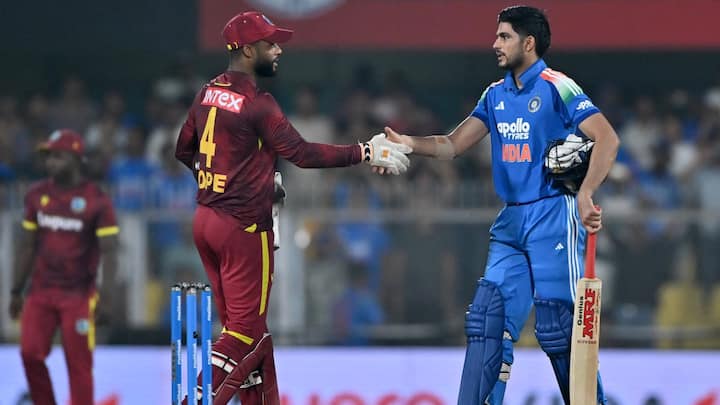
PC: Firstpost
- With the shorter boundaries, batter-friendly surfaces, field restrictions in the form of the powerplay, the one-bouncer rule, and the impact substitution, T20 has been rendered a game where scores of more than 250 are being chased with consummate ease. This has had a cascading effect on the 50-over format as well. A team setting up a target of 400 runs in a 50-over would be confident of defending the total. However, what’s happening on the ground is that this target is being overhauled with more than a few overs to spare. In the recent India-West Indies 2nd ODI, a target of 405 set up by the tourists was easily overtaken by the hosts with 39 deliveries to spare, losing only two wickets. This is ridiculous, as bowlers are left to chase with no place to hide.



