


- The world over, modern warfare has changed so dramatically from the earlier conventional land army-based fighting strategies/thrust to the present-day air-dominated policies. As can be seen around the world, the bulwark of modern warfare is largely formed by state-of-the-art fighters from the air force, supported by other conventional land- and sea-based forces. It’s little wonder that every country wants to strengthen its defence forces by investing heavily in the latest air-based military hardware, even though costs have skyrocketed exponentially. Undeniably, the dynamic nature of modern-day warfare has completely altered the equations. This is where the technologically superior countries, endowed with all the cutting-edge fighting capabilities, are way ahead of others. And others like India are left to catch up.
PC: Swarajya
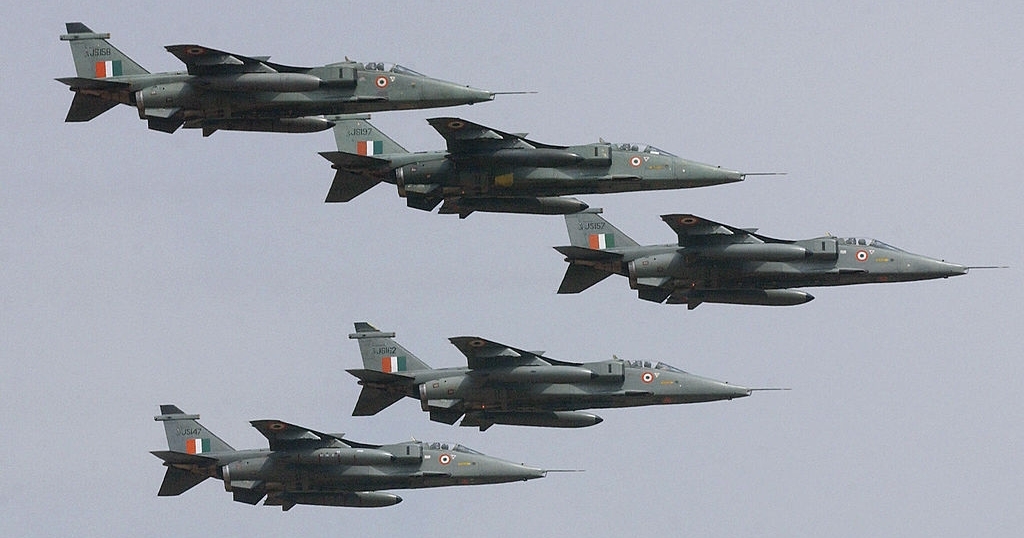
- As we are aware, the Indian Air Force is heavily reliant on foreign-developed fighter jets, making our inventory so dependent on the outside, though consistent efforts to develop indigenously at home have failed to deliver as promised. This is frustrating, to say the least. For the uninitiated, our fighter jets are made up of imports from Russia (MiGs and Sukhois), France (Mirages and Rafales), and England (Jaguars). Of course, our own nascent Light Combat Aircraft (LCA) completes the IAF’s inventory. Space technology has leapfrogged beyond imagination in the last couple of decades. Modern air warfare focuses on network-centric operations, stealth technology, and multi-domain integration rather than raw dogfighting speed alone. Where do we stand, though?
PC: Defence News India
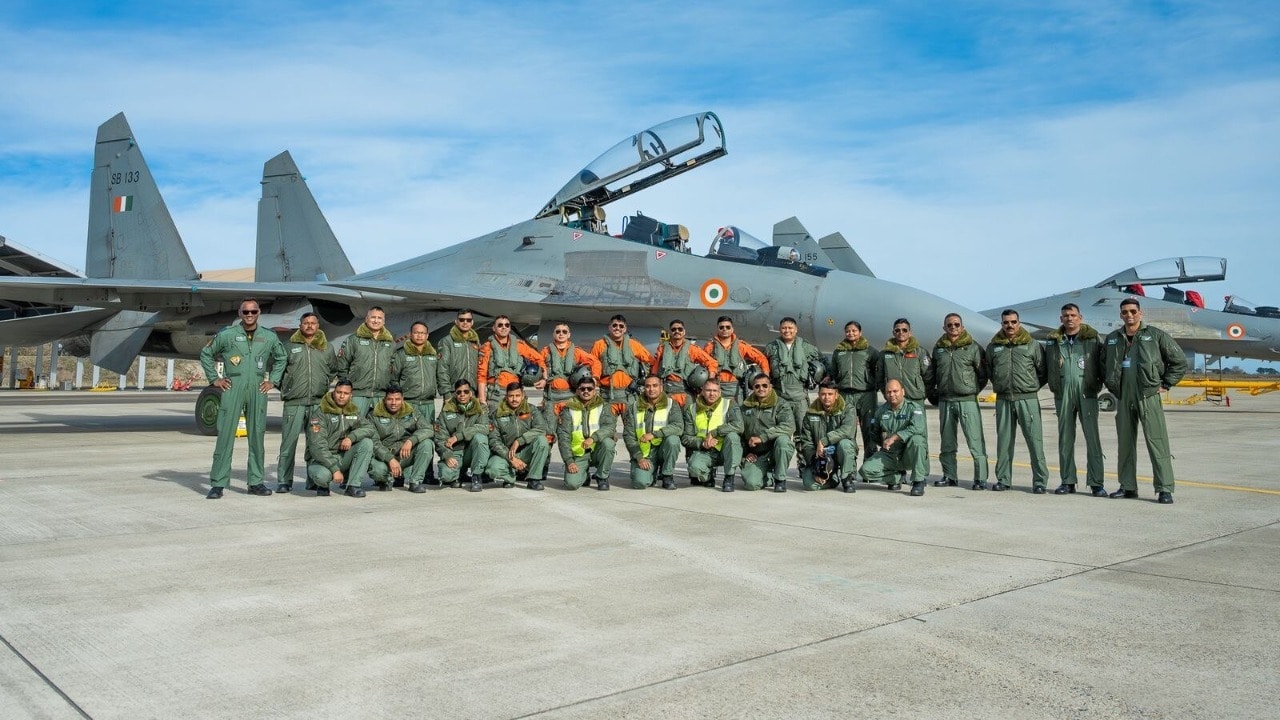
- In modern combat, air power and space technology have become entirely inseparable, triggering a major strategic shift from traditional air power to highly integrated aerospace power. Outer space functions as the critical nervous system for all atmospheric flight operations. Without orbital assets, fifth-generation fighter jets, long-range stealth bombers, and precision-guided drones would lose their foundational target coordinates, communications, and navigation capabilities. Moreover, it’s pertinent to note that our western and eastern borders are dotted by two of our longstanding adversaries, viz. Pakistan and China, respectively. Since the two adversaries are close allies, Indian sovereignty and national security/safety are always multi-pronged challenges.
PC: India Today
- As has been persistently mentioned by the successive air force chiefs over the years, the Indian fighter inventory is slowly getting eroded for various reasons. The obsolete fighters like MiGs have lasted their useful life and productivity long ago; the delays in procurement of the latest flying machines owing to delayed decision–making have led to cost escalation. Most worryingly, the sanctioned fighter squadrons have been reduced from 42 to 29, which severely constrains our fighting force from launching counterattacks, especially if both the eastern and western regions witness escalation. The union government must press ahead with outside acquisitions forthwith. Also, the HAL should set a deadline to deliver the LCAs within a stipulated period.



