


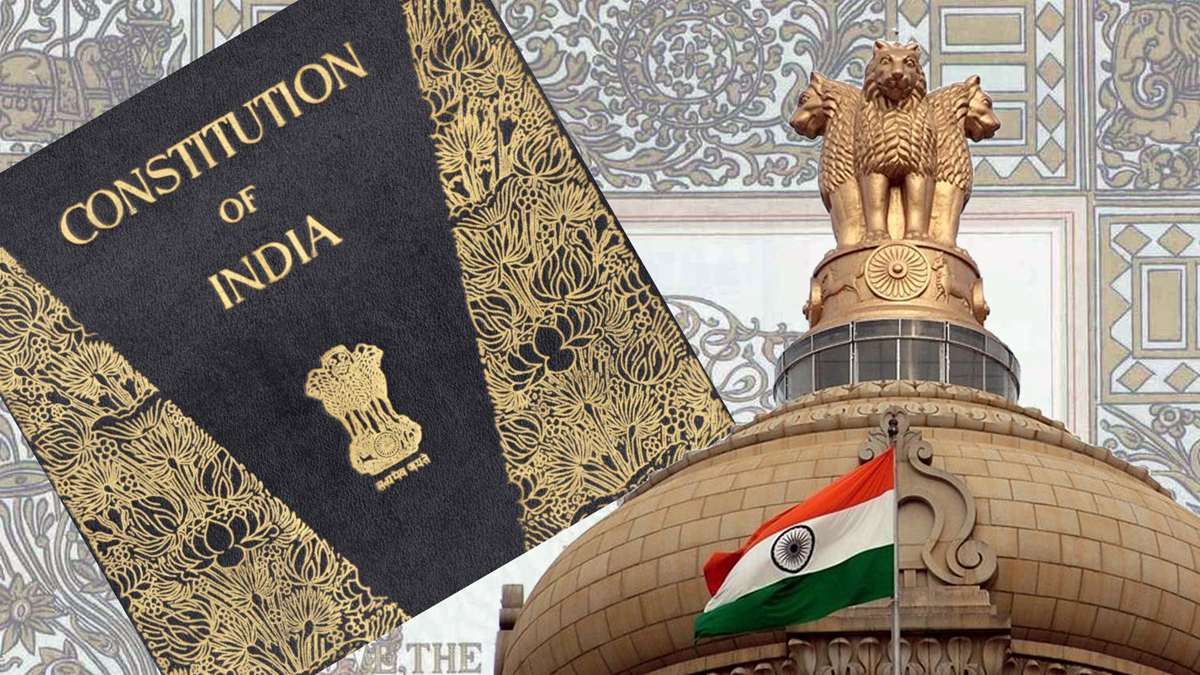
- The whole world acknowledges the fact that the largest democratic country in the world has indeed succeeded in largely sticking to the basic premise of the Constitution, establishing duly elected governments as mandated. Indian democracy functions on the fundamentals of by the people, for the people, and of the people. The constituent assembly members were farsighted and wisdom-filled gets duly accentuated by considering how the Indian democracy has continued to stay robust, vibrant, and sensitive even as several countries have witnessed upheavals vis-à-vis undemocratic forms of governance. We must acknowledge the fact that political parties, irrespective of party affiliations, have stayed true to the Constitution.
PC: Vidhi Centre for Legal Policy
- The Indian Constitution provides rights in the form of Articles as established in the Constitution, irrespective of caste, creed, or class. All three critical pillars, viz., the legislature, the executive, and the judiciary, are firmly established to essay the roles carved for them with absolute diligence. Time and again, the country has witnessed the three crucial parts of the Constitution perform admirably, upholding the tenets in the true spirit as envisaged. Unfortunately, the Indian political system of late has become increasingly polarised on a communal versus secular narrative, with the two main national parties pitted against each other. And then we have equally powerful regional parties aligned with these two big players.
PC: Zee News
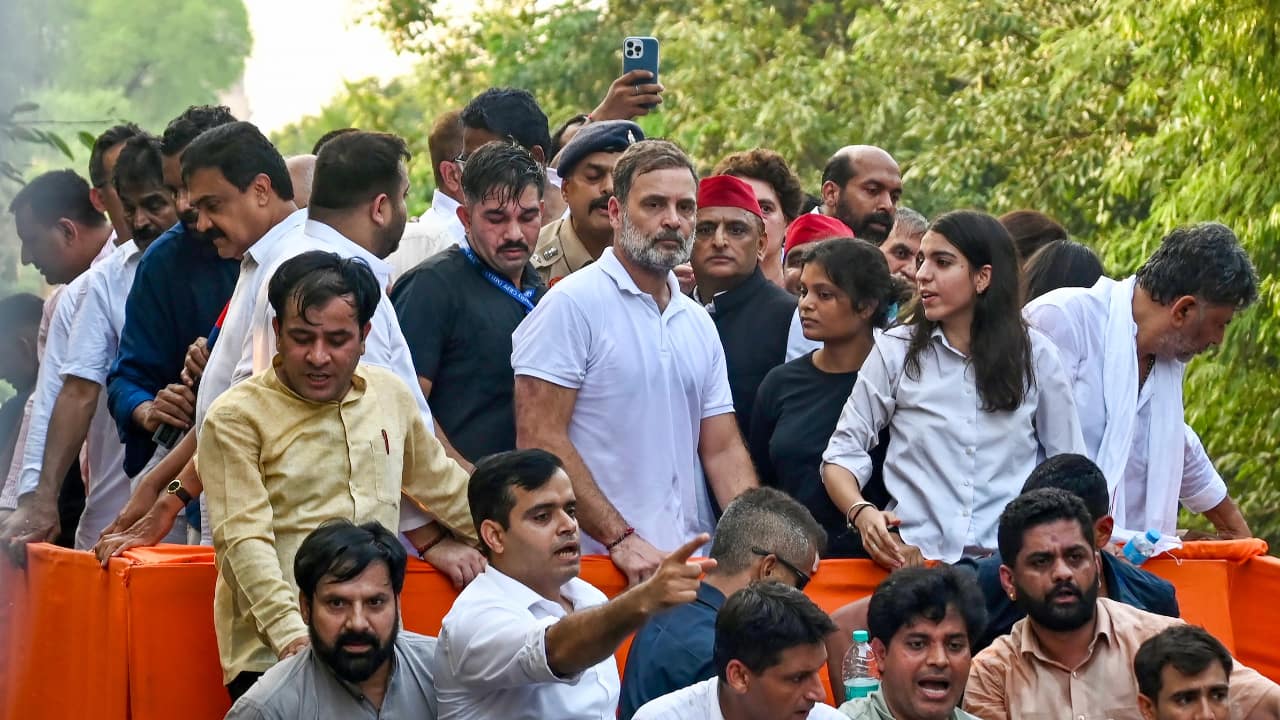
- One of the bane of the Indian political system is the increasing reliance on the labyrinthine caste equations peppered with quotas and reservations that keep making headlines despite the country making tremendous progress courtesy of all-round development. One of the beauties of the Indian democratic form of governance is the rights guaranteed in the Constitution. We know that each citizen has the right to exercise the freedom of speech and expression, with reasonable restrictions in place to avoid potential law and order situations. Concerningly, the present scenario playing out in India vis-à-vis the opposition claims of vote rigging in the elections has starkly divided the political narrative as well as that of the people.
PC: Free Press Journal
- The allegations and accusations targeting the Chief Election Commissioner (CEC) for colluding with the ruling dispensation at the Centre have seen violent protests led by the opposition and other parties. Protesters are urging people to assemble in large numbers, demanding the resignation of the CEC, scrapping the special intensive revision (SIR) exercise, and alleging that the elections since 2025 have been rigged. Demonstrations, rallies, protest marches, and exhortations to side with the opposition have gained prominence over the last couple of weeks. Yes, Indian democracy provides for peaceful agitation, but it cannot hold the people for ransom, causing widespread inconvenience. Whatever the grievances, the courts are meant to adjudicate, provided supportive evidences are produced. Why not follow this process?



