


- Cricket has become increasingly popular, widely followed, and is attracting youngsters by the droves, as has been proven beyond doubt over the years. The advent of white-ball cricket in the 1970s/80s led the way to such an extent that the game has exploded; to say that it has done so since then is stating the obvious. The evolution of cricket from the 50-over competition back then to the shortest format of T-20 is remarkable. Of course, cricket connoisseurs, experts, ex-players, current players, and fans would continue to vouch for the supremacy of Test matches even though the introduction of the ultra-short format of T20 has completely altered the landscape. The proliferation of franchise-based leagues is a testament to the popularity of T20 cricket.

PC: IndiaMART
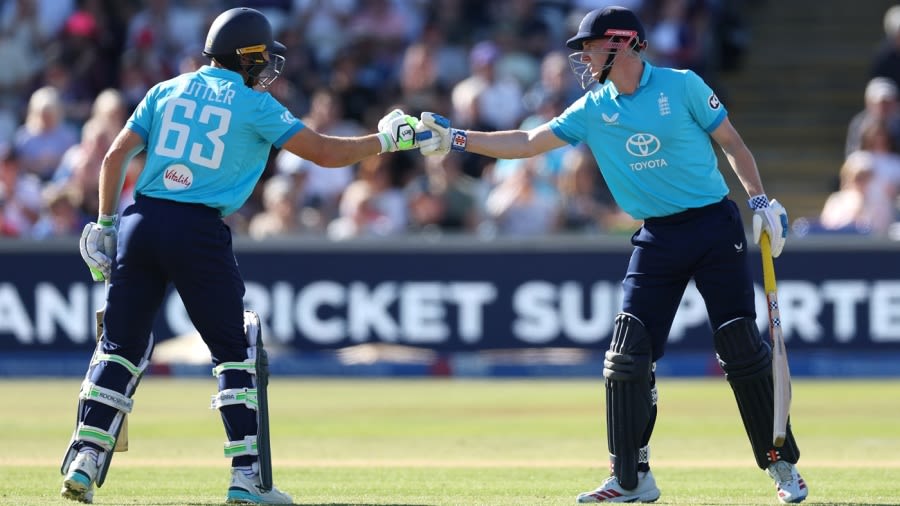
- The last two decades have shown how the humongous popularity of T20 cricket has allowed sponsors to line up to invest hitherto unheard-of amounts. The large amount of money involved in the white-ball format testifies to this fact unequivocally. The slam-bang variety has gained tremendous prominence since the big-hitting batters who rain sixes and fours have become synonymous with the T20 format. The thrill-a-ball entertainment on offer right from the first delivery has completely altered the way the whole cricketing landscape functions in the present times. The short boundaries, batter-friendly flat pitches, powerful hitters, and impact substitute rules, especially in the IPL, have made T20 less of a contest between the bat and the ball.
PC: Cricinfo
- When the classic contest between the bat and the ball becomes inconsequential, the game tends to become monotonous, bereft of a nail-biting finish, and lacking the characteristic tug-of-war between the opponents. Undoubtedly, the advent of power hitting witnessed in T20 has helped the once dreary Test matches become more competitive, leading to results rather than tame draws. Test matches are concluding in four, three, and even two days in recent times. This has made Test match cricket more interesting, intriguing, and intense for the players as well as the audience. However, one of the most visible downturns with the advent of T20s is that no scores are considered safe, even as the chasing teams are overhauling the target with such ease.
PC: Cricinfo
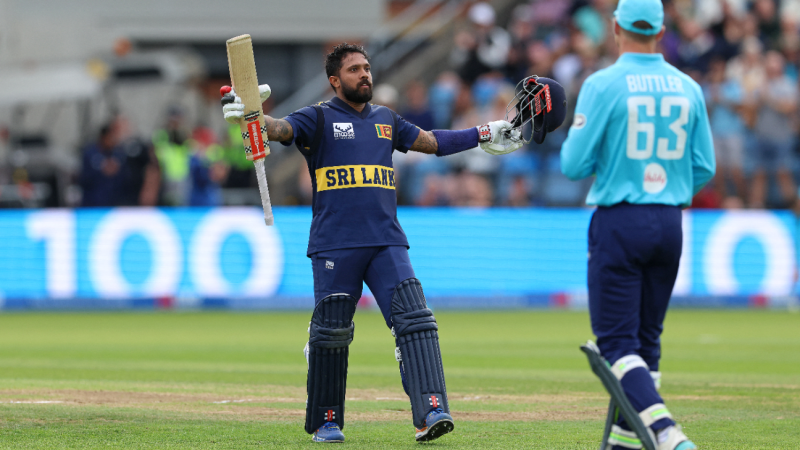
- When T20s were first introduced, a score of 150-170 in 20 overs was considered par for the course. That perception soon changed to around 200 runs. Now, a score of even 250 plus is not safe, since the team chasing is easily going past the target with a few deliveries to spare. The powerplays are seeing batters setting the tone with unbelievable power hitting, scoring tonnes of runs. Even the 50-over contests are becoming batter-friendly, with scores of 400 plus being overhauled with such consummate ease. The recently concluded one-dayer between England and Sri Lanka witnessed the run feast. Set a target of 429 by England, Lankans easily crossed the humongous total with a ball to spare, scoring 430. The dynamics of white-ball cricket have changed dramatically. Phew!



