


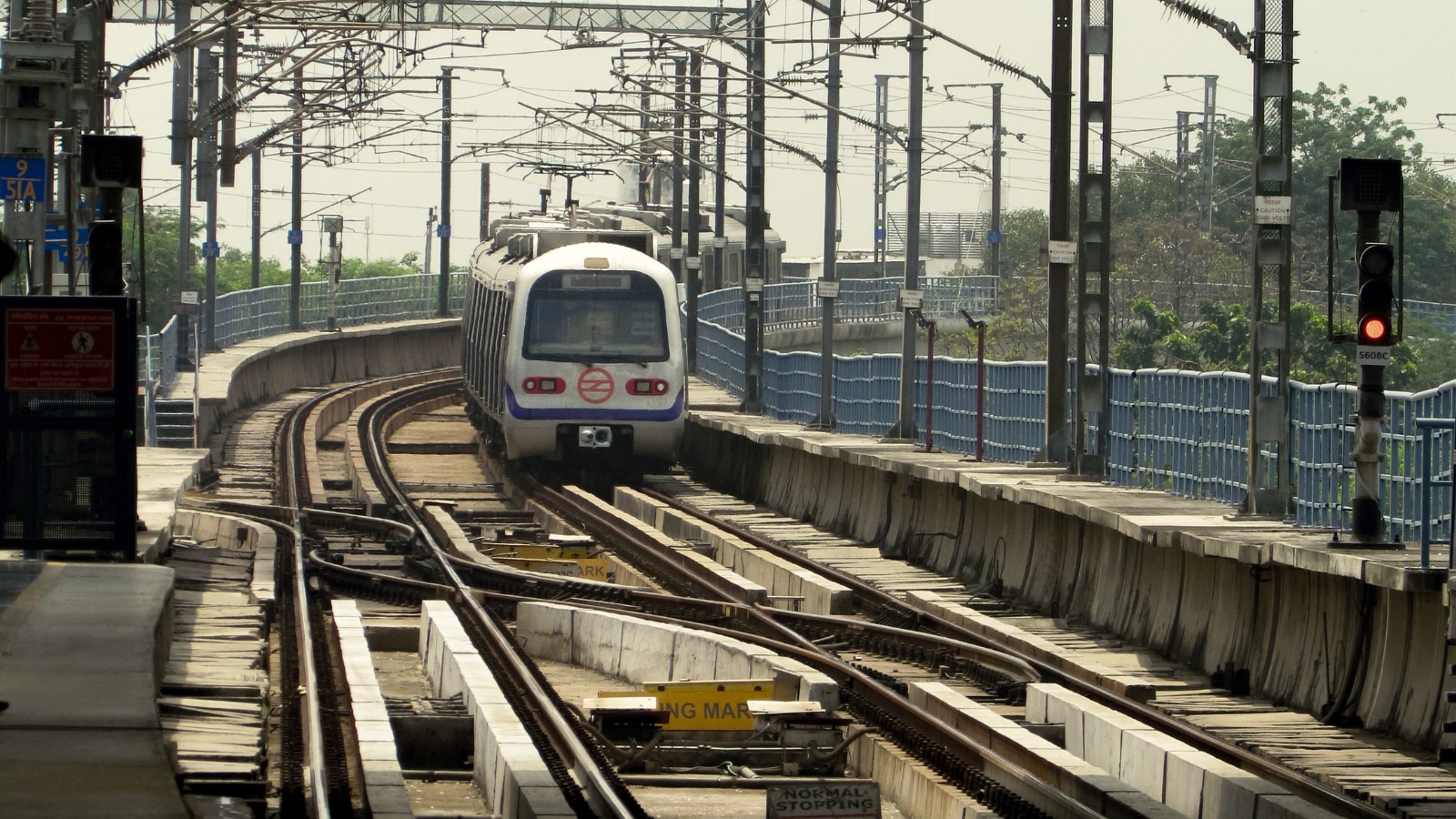
- Not so long ago, Bengaluru – the beautiful capital city of Karnataka – used to enjoy the moniker of being the Silicon Valley of India, the Garden City of India, the upstart capital of India, the Information Technology Capital of India, and the most investor-friendly capital of India as well. The IT boom of the 1990s was led by none other than Bengaluru and Karnataka, ensuring the capital city and the state reach far and wide across the whole universe. The momentum so generated back then continues to this day is stating the obvious. So much has happened over the decades that Bengaluru has not only grown manifold on several fronts but has also succeeded in attracting the best of the business houses from around the world. No disputing this fact either.
PC: News18
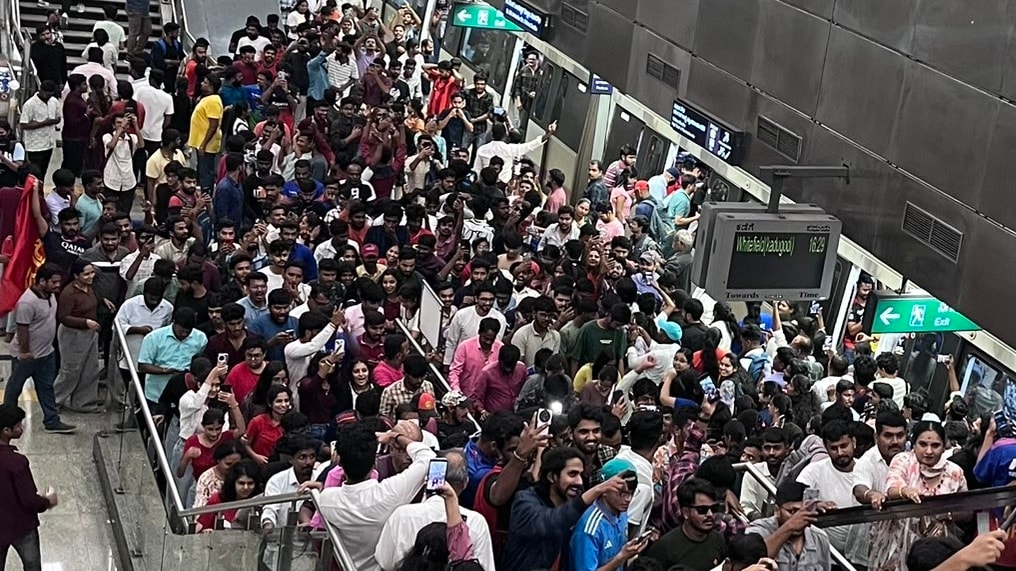
- As the popular saying goes, the urban dwellings being inundated by millions of migrants is a bane and a boon in equal measure, which is further corroborated by the economic fillip it provides to overall growth prospects, leading to an improved GDP performance. While this qualifies as a boon, the accompanying bane is the inability of the government machinery to ensure commensurate infrastructural development takes place alongside. The burgeoning population signifies economic potential that must be fully harnessed with the availability of trained/skilled manpower accessible in abundance, provisioning of basic amenities like potable water/motorable roads/uninterrupted power supply/law and order/responsive civic authorities/public transportation.
PC: Hindustan Times
- These are non-negotiable necessities that must be in place to not only attract giant business houses and technology conglomerates to invest big-time but also ensure other potential investors follow suit. However, Bengaluru has been in the news for all the wrong reasons of late, courtesy of deteriorating road conditions that are anything but motorable for commuters. To compound the already grave commuting challenges in the form of increasing volume of personal vehicles, pothole-filled roads, huge craters, ongoing civic amenities work leading to digging up of roads, and the most glaringly inadequate public transportation system have become no less than a menace for citizens. Namma Metro has succeeded in serving very little vis-à-vis public transportation.
PC: Moneycontrol.com
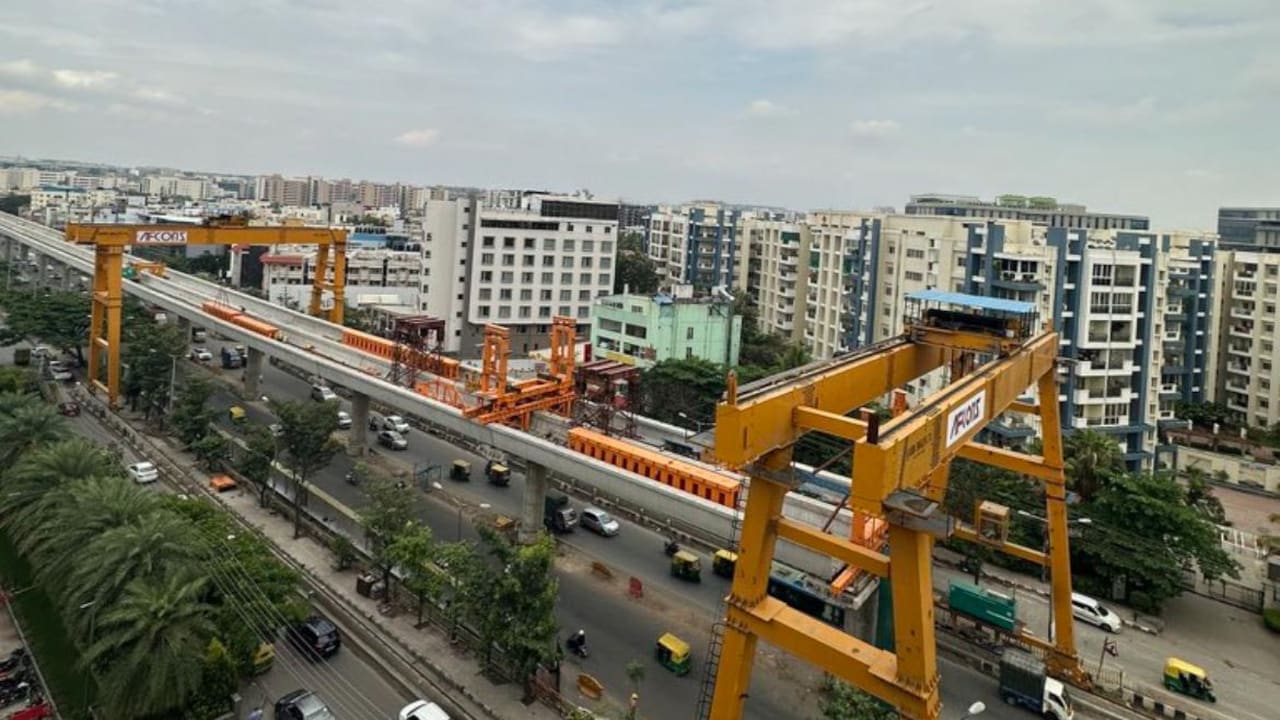
- The recent newspaper reports about Namma Metro completing fifteen years made headlines, but the authorities concerned should seriously think about how little the public transportation is serving the commuters of the city. The challenges galore remain unresolved as the urban planners have repeatedly ignored the first- and last-mile connectivity to help the commuters. Namma Metro has an operational length of a mere 96.1 km across 83 stations and is expected to expand up to 220 km by 2028. We know how these deadlines simply keep extending due to a lack of urgency, intent, and effective monitoring. The adverse effect of these delays is the invariable increase in the overall cost. The government authorities should prioritise execution forthwith.



