
- For the uninitiated, and especially the Gen Zs and Gen Alphas, the very mention of the United Nations now may lead to conjuring up an image of formally attired leaders from around the world assembled under one mammoth roof, brilliantly lit with dazzling lights, and going about addressing matters concerning the world with great candor. Or is it? Put in perspective, the United Nations is an international organization founded in 1945 for a sound reason. The UN currently comprises 193 Member States, and its work is guided by the purposes and principles in its founding Charter. The UN has evolved over the years to keep pace with a rapidly changing world. Most importantly, note that the UN came into existence during the year when the Second World War concluded.

- However, one aspect has stayed the same vis-à-vis the UN. It remains the one place on Earth where all the world’s nations gather, discuss common problems, and find shared solutions that benefit all of humanity. The moot point to ponder here is whether the true spirit behind the establishment of the UN remains relevant in the altered world structure, on the back of unimaginable progress witnessed over several parameters in the last few decades. The erstwhile unipolar world order has paved the way for the emergence of the multipolar world, where the writ of one nation, read as the USA, doesn’t run any longer. Of course, the five permanent Security Council members, viz., the USA, China, Russia, the UK, and France, continue to hold sway but with curtailed powers.
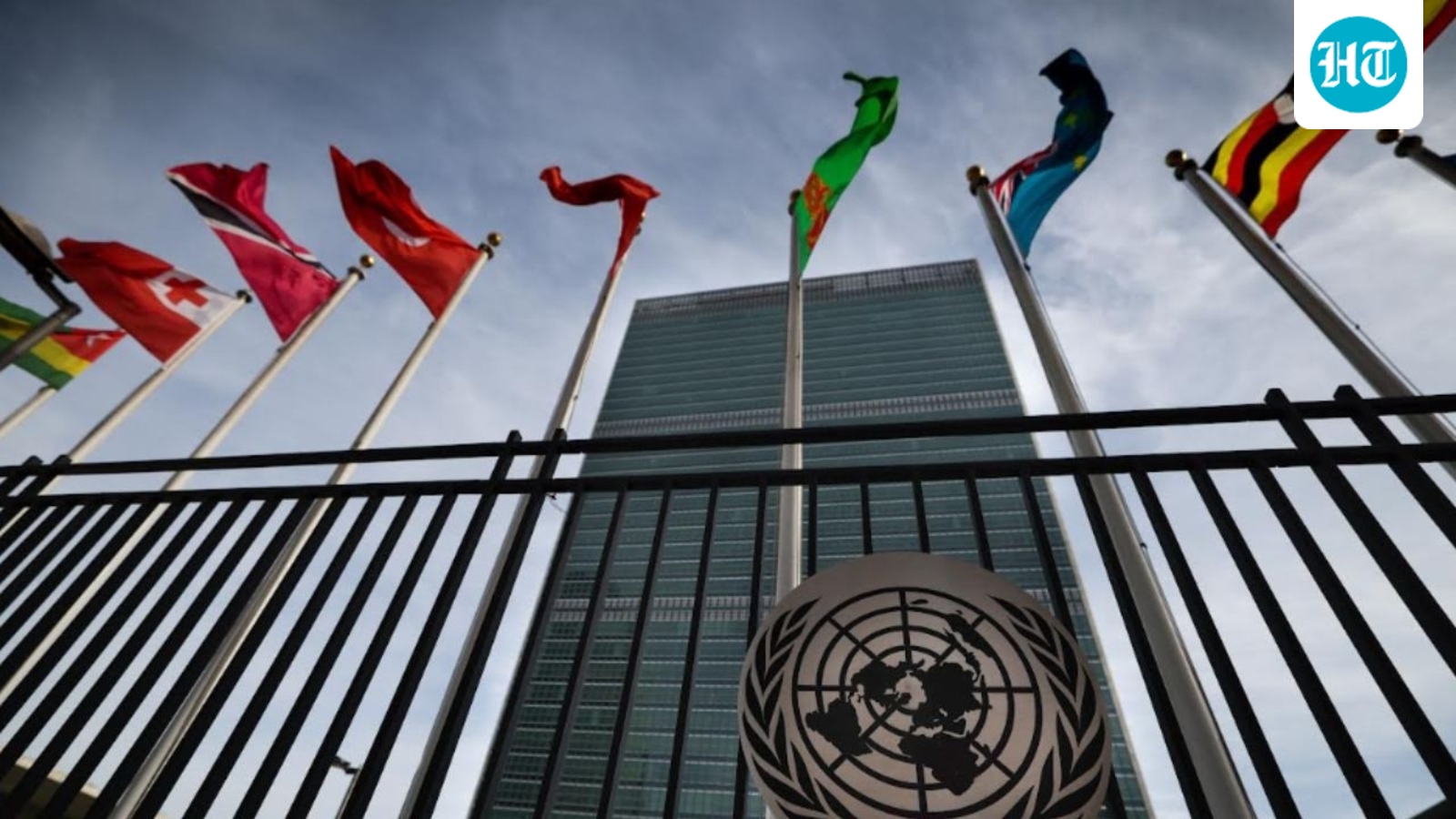
PC: Hindustan Times
- Mind you, the world has undergone palpable changes, but with a twisted outcome, with the consolidation of economic progression driving several countries to don the mantle of advanced nations but wield insufficient heft/traction to force other nations to sit up and take notice. How much the power equation is skewed in the present times can be gauged by the fact that countries like the UK and Russia continue to be termed dominant forces. Whereas a country like India, with the highest population and economic heft, isn’t placed in the same bracket as other nations whose rise has been either curtailed or doesn’t enjoy the same power. The gradual erosion of legitimacy of the UN over matters of global importance has become increasingly stark in the last few years.
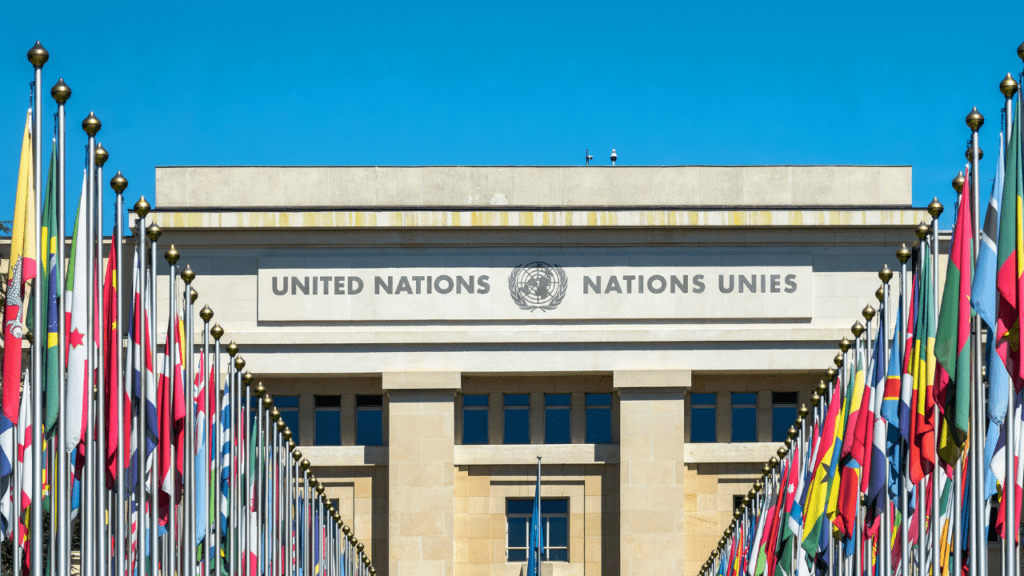
PC: Citizens for Global Solutions
- The USA has always reserved the string-pulling. Nonetheless, the contributions from the erstwhile sole superpower have drastically declined. The unhinged power placed on the Security Council has been abused by the five superpowers to suit their own convenience. Those bestowed with authority to maintain peace, binding resolutions, use of force and sanctions, and most importantly, the veto power to rule out matters of global importance are anachronistic, looking at the altered equations. The transformed geostrategic and geopolitical scenario has rendered the five superpowers pulling in different directions, thereby ruling out consensus most often. In this scenario, the continuation of the UN has become largely symbolic, lacking real authority to rein in errant powers from asserting themselves. How to make it relevant once again?



